


Key takeaways
- One day: Arusha National Park is especially convenient from Arusha. Tarangire and Lake Manyara are also possible day-trip destinations, with longer road transfers.
- Two days: Tarangire and Ngorongoro Crater make a useful combination of contrasting wildlife habitats.
- Three days: A Tarangire, Lake Manyara and Ngorongoro route provides variety without requiring the long drive to the Serengeti.
- Four days: You can consider Tarangire, Serengeti and Ngorongoro, but road travel and the timing of the final day require careful planning.
- The Serengeti is not a practical conventional road day trip from Arusha. Reaching it takes considerably longer than visiting parks closer to the city.
- Wildlife sightings are never guaranteed. More days provide additional opportunities, not certainty.
- Safari price depends on more than duration: vehicle arrangements, accommodation, park fees, season and the number of travellers all matter.
- The best short safari is not necessarily the one with the most parks. It is the one that makes good use of your available time.
Quick facts
| Shortest practical duration | One full day |
|---|---|
| Recommended starting city for northern safaris | Arusha |
| Convenient one-day park | Arusha National Park |
| Other day-trip options | Tarangire and Lake Manyara |
| Popular two-day combination | Tarangire and Ngorongoro |
| Popular three-day combination | Tarangire, Lake Manyara and Ngorongoro |
| Four-day option | Tarangire, Serengeti and Ngorongoro |
| Typical safari transport | Guided 4×4 vehicle |
| Best dry-season period | Generally June to October |
| Can a trip include the Big Five? | Potentially, without guaranteed sightings |
| Can the trip start in Zanzibar? | Yes, with suitable flight and transfer arrangements |
You don't need two weeks in Tanzania to experience a wildlife safari. Even a single well-planned day can take you from the busy streets of Arusha to a national park where elephants wander among baobab trees, giraffes feed on acacia leaves, and lions may be resting in the shade.
But the length of your trip changes what you can realistically experience.
With one day, choosing the right park matters more than anything else. Two days allow you to combine different landscapes and spend a night closer to wildlife. Three days give you more flexibility, while four days can open up the possibility of visiting the Serengeti—provided you are comfortable with the longer journey.
The challenge isn't finding a safari advertised as one, two, three or four days. It's understanding what those days actually contain.
A three-day safari with long transfers may offer less relaxed wildlife viewing than a carefully organised two-day journey. Likewise, a one-day trip to a nearby park may be far more enjoyable than attempting to visit a distant destination simply because its name is famous.
This guide compares short Tanzania safari tours from one to four days, explains which parks suit different schedules, and helps you make a confident decision before booking.
Can You Really Experience Tanzania on a Short Safari?
Yes. A short safari can provide an excellent introduction to Tanzania's wildlife, especially if you choose destinations close enough to spend meaningful time in the park.
The important distinction is between the total duration of the tour and the hours available for wildlife viewing.
Consider two itineraries.
The first is a day trip to Arusha National Park. You leave your hotel in the morning, reach the park after a relatively short drive, spend time exploring its different habitats and return to Arusha later that day.
The second is a road trip attempting to reach the Serengeti and return within the same day. Much of your time would be consumed by the journey, leaving little opportunity to explore the park properly.
Both might be advertised as short adventures, but they offer very different experiences.
A well-designed safari accounts for the time needed to reach the park, complete entry formalities, stop for meals, enjoy game drives and return before travelling becomes unnecessarily tiring.
What counts as a short safari?
For this guide, a short safari means a wildlife-focused trip lasting between one and four days.
A one-day safari normally begins and ends at the same accommodation or agreed meeting point.
A two-day trip includes one overnight stay. A three-day trip generally has two nights, while a four-day trip typically has three.
The route may involve one park or several.
Why the starting point matters
Most classic northern Tanzania safaris start in Arusha, the main gateway to Tarangire, Lake Manyara, Ngorongoro and the Serengeti.
If you are staying in Moshi after climbing Kilimanjaro, travel time to some parks will be longer.
If you are in Zanzibar, you will usually need a flight to connect with a short northern-circuit safari.
Visitors in Dar es Salaam may find alternatives in the southern or eastern part of Tanzania more practical.
A good operator should recommend destinations based on where you actually begin, rather than giving every traveller the same route.
One-Day Tanzania Safaris: What Can You See?
A one-day safari is best for travellers who want a genuine wildlife experience without changing accommodation.
From Arusha, three useful choices are Arusha National Park, Tarangire National Park and Lake Manyara National Park.
Ngorongoro Crater is also offered as a long day excursion, but it involves substantially more travel.
Option A: Arusha National Park — the convenient choice
Arusha National Park is approximately 45 minutes from Arusha city by road, depending on the departure point and conditions.
Its scenery is quite different from the open Serengeti plains.
The park includes forest, grassland, lakes and volcanic landscapes beneath Mount Meru.
Wildlife viewing can include giraffes, buffaloes, zebras, warthogs, monkeys and numerous bird species.
It is particularly attractive to travellers who enjoy scenery and biodiversity rather than focusing exclusively on large predators.
Best for: Visitors with limited time, families, Kilimanjaro climbers needing a gentler day, and travellers interested in walking or birdwatching.
Important limitation: Arusha National Park is not the place to choose if your main objective is seeing lions and the entire Big Five.
Option B: Tarangire National Park — elephants and baobabs
Tarangire is one of the most rewarding day-trip options for travellers who want a classic savanna safari.
The drive from Arusha generally takes around 2.5–3 hours each way, depending on the route and road conditions.
The park is especially known for elephants, baobab trees and wildlife associated with the Tarangire River.
During the dry season, animals often move towards reliable water sources.
You may encounter elephants, giraffes, zebras, antelopes, buffaloes and, with luck, predators.
Best for: Elephant enthusiasts, photographers and first-time safari travellers seeking a traditional game-drive experience.
Important limitation: You will spend a significant part of the day travelling to and from the park.
Explore the Tarangire National Park Day Trip
Option C: Lake Manyara National Park — forest, birds and Rift Valley scenery
Lake Manyara lies approximately 2–2.5 hours by road from Arusha.
Its landscape includes groundwater forest, woodland, wetland areas and striking views of the Great Rift Valley escarpment.
The park is well known for baboons, monkeys, elephants, birdlife and its association with tree-climbing lions.
However, the presence of tree-climbing lions does not mean visitors can expect to see them on every trip.
Birdlife and changing water conditions can make the park particularly interesting.
Best for: Birdwatchers, nature enthusiasts and visitors who appreciate different habitats.
Important limitation: Dense vegetation can make some wildlife harder to spot than in open grassland.
Explore the Lake Manyara National Park Day Trip
Can you visit Ngorongoro Crater in one day?
Yes, operators offer day trips from Arusha to Ngorongoro Crater.
However, it is a long excursion requiring an early start, substantial road travel, crater access arrangements and a return journey.
For visitors who specifically want Ngorongoro, this can be worthwhile.
For those who prefer a relaxed introduction to wildlife, staying closer to the park overnight may provide a better experience.
One-day safari comparison
| Destination | Approximate road journey from Arusha, one way | Main appeal | Best suited to |
|---|---|---|---|
| Arusha National Park | About 45 minutes | Giraffes, forest, lakes, Mount Meru | A convenient and varied day |
| Lake Manyara | About 2–2.5 hours | Forest wildlife, birds and Rift Valley | Nature and bird enthusiasts |
| Tarangire | About 2.5–3 hours | Elephants, baobabs and savanna | Classic wildlife viewing |
| Ngorongoro Crater | Long excursion; confirm exact schedule | Crater scenery and concentrated wildlife | Travellers prioritising Ngorongoro |
Travel times are approximate and exclude game drives, gate procedures and other stops.
Two-Day Tanzania Safaris: The Best Balance for Limited Time?
For many travellers, two days provide a meaningful improvement over a day trip.
One overnight stay allows you to explore more than one wildlife habitat without returning to Arusha between every activity.
A common northern-circuit combination is Tarangire National Park and Ngorongoro Crater.
Example: Tarangire and Ngorongoro in two days
Day 1 — Arusha to Tarangire
Depart Arusha in the morning and travel to Tarangire National Park.
Spend the day exploring its woodland, riverine habitats and baobab landscapes.
After the game drive, travel to your confirmed accommodation near the next day's route.
Day 2 — Ngorongoro Crater and return to Arusha
Begin early and continue to Ngorongoro Conservation Area.
After completing the required entry arrangements, descend into the crater for a game drive.
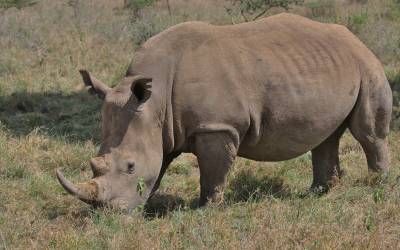
The crater supports a remarkable variety of animals, including buffaloes, lions, elephants, hippos and black rhinos.
After the visit, return to Arusha.
This is a general description of the route. The actual crater entry time, wildlife-viewing duration and return schedule should be confirmed in the final itinerary.
Why this combination works
Tarangire and Ngorongoro offer different wildlife experiences.
In Tarangire, elephants and the landscape itself are major attractions. Ngorongoro provides the opportunity to explore a volcanic caldera supporting a concentrated range of wildlife.
Two days are still relatively short, but the combination can be more rewarding than trying to reach the Serengeti by road within the same timeframe.
What are the limitations?
You will not have extensive time in either destination.
A delayed departure, slow road conditions or a late arrival at a park may reduce time available for game viewing.
Travellers who prefer several hours of unhurried wildlife observation each day may want to consider three days or longer.
Is a two-day Serengeti safari possible?
A two-day Serengeti safari may be possible under particular flight arrangements.
However, a conventional road journey from Arusha is long. Combining the drive into the park, overnight accommodation and return journey leaves limited time for wildlife viewing.
For a road safari, visiting closer destinations is usually more practical.
View the 2-Day Tanzania Short Safari
Three-Day Tanzania Safaris: More Wildlife, Less Rushing
Three days allow you to combine several northern Tanzania wildlife areas while spending two nights closer to the parks.
For first-time visitors, this is often a useful middle ground between a brief excursion and a longer safari holiday.
Option A: Tarangire, Lake Manyara and Ngorongoro
This combination is particularly practical because the destinations sit along the northern safari circuit.
Day 1 — Tarangire National Park
Leave Arusha and travel to Tarangire.
Enjoy game viewing among the baobabs, open savanna and woodland habitats.
Stay overnight in a convenient location such as Mto wa Mbu or another confirmed base near the route.
Day 2 — Lake Manyara National Park
Explore Lake Manyara's forest, lake environment and diverse wildlife.
Compared with Tarangire, the scenery and species you encounter can be quite different.
Return to your accommodation for the night.
Day 3 — Ngorongoro Crater and Arusha
Begin early and travel to Ngorongoro.
Spend the permitted time exploring the crater floor before returning to Arusha.
Why choose this route?
You experience three distinctive protected areas, each with its own character.
The journey offers opportunities for elephants, giraffes, buffaloes, birds, predators and potentially a black rhino.
Unlike a three-day road trip reaching the Serengeti, it does not require the same long westward transfer.
Best for: First-time safari travellers, families and visitors interested in wildlife variety.
Explore the 3-Day Budget Tanzania Safari
Option B: Serengeti and Ngorongoro in three days
It is possible to structure a three-day safari around the Serengeti and Ngorongoro.
However, the Serengeti is a substantial distance from Arusha.
An itinerary might involve travelling to the Serengeti on the first day, enjoying game drives and then returning via Ngorongoro.
The exact sequence depends on the accommodation and transport arrangements.
This option can be worthwhile if the Serengeti is your strongest priority, but it deserves careful examination.
Ask how much time is dedicated to game drives rather than road transfers.
Best for: Travellers who specifically want to experience the Serengeti and accept a compressed schedule.
Less suitable for: Visitors seeking a relaxed pace or travelling with young children who find long vehicle journeys tiring.
Explore the 3-Day Serengeti and Ngorongoro Safari
Which three-day route is better?
Neither option is automatically superior.
Tarangire, Lake Manyara and Ngorongoro offer a varied experience with comparatively manageable travel between destinations.
The Serengeti and Ngorongoro combination places greater emphasis on famous wildlife areas, but travel logistics can be more demanding.
The right decision depends on whether you prioritise the Serengeti itself or a balanced three-day introduction to Tanzania's northern parks.
Four-Day Tanzania Safaris: Is It Enough for the Serengeti?
Four days create the possibility of visiting the Serengeti alongside other major northern Tanzania wildlife destinations.
However, not all four-day itineraries are equally comfortable.
The key is to protect time for wildlife viewing rather than treating every transfer as a game drive.
A route combining Tarangire, Serengeti and Ngorongoro
Wonders of Creation Tours & Safaris lists a four-day itinerary covering these three destinations.
The advertised programme includes Tarangire, two nights in the Serengeti and a visit to Ngorongoro Crater.
This route may appeal to travellers who want all three places within a limited holiday period.
However, the distance between the central Serengeti and Ngorongoro means the timing needs careful attention, particularly if the last day also includes a crater descent and the return journey to Arusha.
Before booking, request a detailed timed itinerary and confirm whether the final day's activities are operationally realistic.
What makes a four-day trip better than three days?
One additional day can make a considerable difference.
It may allow more wildlife-viewing time in a preferred park, reduce the pressure to move accommodation repeatedly or create a more comfortable journey.
But the extra day only helps if the itinerary uses it sensibly.
For example, an additional night near Ngorongoro or in the Serengeti may be more valuable than adding another distant destination.
Can four days guarantee the Big Five?
No.
The Serengeti and Ngorongoro support the Big Five, but sightings depend on the season, location and behaviour of individual animals.
Black rhinos and leopards can be particularly difficult to find.
A four-day safari provides additional opportunities to observe wildlife, not a guaranteed checklist.
Should you choose a four-day fly-in safari?
A fly-in itinerary may reduce some long road transfers, although it adds flight costs, baggage restrictions and scheduling considerations.
It can be useful when travellers have only a few days and want to spend more of that time in a distant park.
Compare the total journey from your hotel or airport, not just the advertised flight time.
Explore the 4-Day Affordable Tanzania Safari Adventure
One, Two, Three or Four Days: Which Safari Is Best?
The best duration depends on what you want from the experience.
| Duration | Typical approach | Main advantage | Main compromise |
|---|---|---|---|
| 1 day | One accessible national park | No overnight safari accommodation needed | Limited time and one principal destination |
| 2 days | Two nearby wildlife areas | Different habitats with one overnight stay | Tight schedule |
| 3 days | Two or three northern-circuit parks | More variety and flexibility | Some long travel days remain possible |
| 4 days | Focused multi-park itinerary, potentially including Serengeti | More wildlife-viewing opportunities | Wider routes still require significant transfers |
Choose one day when time is extremely limited
If you have a spare day before flying home or after another activity, a nearby park can provide a worthwhile wildlife experience.
Do not attempt to visit multiple distant destinations simply to make the day sound more impressive.
Choose two days for a compact wildlife journey
Two days work well when you can spend one night near the parks and want to experience more than one environment.
Tarangire and Ngorongoro are worth considering.
Choose three days for a varied introduction
If you have three days and want several wildlife habitats, the Tarangire–Manyara–Ngorongoro combination is a sensible starting point.
Choose four days when the Serengeti matters
If visiting the Serengeti is a personal priority, four days provides more planning options than a two- or three-day road safari.
You should still evaluate journey times carefully.
Which Tanzania National Parks Are Best for Short Safaris?
Some parks are more suitable for short visits because they are accessible from the traveller's starting point.
Others are exceptional destinations but require more time to reach.
Arusha National Park
Best for: One-day wildlife excursions, scenery, birds and activities near Arusha.
The park is relatively close to the city and includes a range of habitats.
It can be a particularly useful option when visitors want an enjoyable day without a long road journey.
Tarangire National Park
Best for: Elephants, baobab landscapes and classic vehicle-based game drives.
Tarangire is an important destination for one- and two-day itineraries.
It also combines naturally with Lake Manyara and Ngorongoro on longer northern-circuit trips.
Lake Manyara National Park
Best for: Birdlife, forest habitats and landscape variety.
Lake Manyara suits day trips and multi-park journeys.
Its wooded habitats provide a contrast to the more open landscapes of Tarangire.
Ngorongoro Crater
Best for: Concentrated wildlife viewing, crater scenery and travellers particularly interested in black rhinos.
A crater visit can be included in a short itinerary, but the travel time, permits and access arrangements need advance planning.
Serengeti National Park
Best for: Travellers whose priority is extensive savanna habitat, predators and the wider Serengeti ecosystem.
The Serengeti is generally better suited to a longer journey than a conventional one-day road trip.
Even in a four-day itinerary, transport and accommodation locations matter.
Quick park-selection table
| Park | One day | Two days | Three days | Four days |
|---|---|---|---|---|
| Arusha National Park | Excellent option | Can be combined if practical | Optional | Optional |
| Tarangire | Good option | Strong option | Strong option | Strong option |
| Lake Manyara | Good option | Possible combination | Strong option | Possible combination |
| Ngorongoro Crater | Possible long day | Strong option | Strong option | Strong option |
| Serengeti | Not practical as a conventional Arusha road day trip | Road itinerary usually too compressed | Possible but rushed | More feasible with careful planning |
This table is a planning assessment rather than a guarantee of specific tour availability.
How Much Does a Short Tanzania Safari Cost?
Short safaris vary considerably in price.
A day trip avoids the cost of overnight safari accommodation, but vehicle use, guiding and park fees still need to be covered.
A two-, three- or four-day itinerary adds accommodation and meals, while routes including Ngorongoro or the Serengeti may involve additional charges and longer transfers.
What determines the final price?
1. Number of travellers
A private vehicle and guide represent a significant part of the trip's operating cost.
When several people travel together, certain shared costs may be distributed across the group.
2. Private or shared safari
Private safaris provide more flexibility around stops and personal interests.
Shared arrangements may be cheaper per person, but confirm the maximum group size and how the vehicle is allocated.
3. Accommodation
Camping, budget lodges, tented camps and luxury properties have different costs.
Check whether accommodation is inside a protected area, near a park gate or farther away.
4. Park and conservation fees
Fees depend on the destination, visitor classification, age and applicable activities.
Ngorongoro may involve separate conservation-area and crater-service charges.
Current official fee schedules should be checked when preparing a quotation.
5. Road or air transport
Flights can reduce some road journeys but add additional expenses and scheduling requirements.
6. Travel season
Rates and availability may vary by time of year, particularly in popular safari periods.
Cost comparison by duration
| Duration | Major cost components | Useful question |
|---|---|---|
| 1 day | Vehicle, guide, park fees, meals where included | Is hotel pickup included? |
| 2 days | Above plus one night of accommodation | Are Ngorongoro charges fully covered? |
| 3 days | Two nights, meals and multiple park visits | How many people share the vehicle? |
| 4 days | Three nights, longer transfers and potentially more conservation fees | Does the price include all specified park and transport charges? |
Beware of misleading starting prices
An advertised rate may apply only when a minimum number of travellers book together.
A quote for one person may be substantially higher than the price advertised for a larger group.
Before comparing offers, make sure they use the same number of travellers, travel dates, accommodation standard and vehicle arrangement.
A good quotation tells you exactly what you are buying.
When Is the Best Time for a Short Safari in Tanzania?
A short safari can be rewarding in different seasons, but the experience changes throughout the year.
June to October: generally favourable dry-season viewing
The dry season often produces good game-viewing conditions.
Vegetation may be less dense, and wildlife can gather around reliable water sources.
Tarangire is especially attractive during this period.
However, popular parks may also experience greater visitor demand.
November to December: changing landscapes
The short rains can bring greener scenery and changing wildlife distribution.
Road conditions may vary, and rainfall patterns are not identical every year.
Travellers should plan around likely conditions rather than assuming the weather will follow a fixed schedule.
January to March: green-season wildlife
These months can offer rewarding game drives, photography and birdwatching.
The southern Serengeti ecosystem is also associated with the wildebeest calving season during part of this period.
If migration-related wildlife is a priority, confirm the most appropriate location for your dates.
April to May: the wetter period
The longer rains can make landscapes particularly green.
Some tracks may be muddy, travel slower and certain accommodations less readily available.
A shorter route with manageable transfers can be especially sensible during this period.
Which season should you choose?
If your dates are flexible and your main goal is straightforward game viewing, the dry season is worth considering.
If you are travelling at a fixed time of year, there is no reason to dismiss a safari automatically.
The better approach is to select suitable parks and make allowances for that season's conditions.
Where Should Your Short Tanzania Safari Start?
The starting location can make as much difference as the number of days available.
Starting from Arusha
Arusha is the most practical base for many northern Tanzania safari itineraries.
Tarangire, Lake Manyara, Ngorongoro and the Serengeti are commonly visited on routes beginning here.
A day trip to Arusha National Park is especially convenient.
Starting from Moshi
Moshi is a common base for travellers visiting Kilimanjaro.
If you are returning from a climb, consider how tired you may be and whether you need a rest day before a long wildlife excursion.
Arusha National Park may be a relatively convenient option, while Tarangire and other destinations require additional driving.
Starting from Zanzibar
Visitors staying in Zanzibar can combine beach time with a mainland safari.
However, the trip usually requires domestic flights or other substantial transfers.
For a one-day excursion, flight schedules can significantly affect the time available inside a wildlife area.
For two to four days, a carefully coordinated fly-in itinerary may offer more flexibility.
Do not assume that an advertised two-day mainland safari includes flights from Zanzibar unless the package states this clearly.
Starting from Dar es Salaam
If you begin in Dar es Salaam, northern Tanzania may not be the most time-efficient option.
Mikumi National Park is one alternative to investigate.
Wonders of Creation lists a two-day Mikumi safari beginning in Dar es Salaam.
The most suitable route depends on your location, road conditions and the transport arrangements offered.
Which Short Safari Suits Your Travel Style?
First-time safari travellers
For a first safari, three days covering Tarangire, Lake Manyara and Ngorongoro can offer wildlife variety and memorable landscapes.
If time is limited to a single day, Tarangire provides a traditional vehicle-based safari experience.
Families with children
Families should look carefully at driving time, rest stops, accommodation facilities and the age requirements of any activities.
A short safari with manageable transfers may be more enjoyable for children than a longer itinerary with several exhausting road days.
Discuss the children's ages and needs with the operator before booking.
Couples
Couples may appreciate a private vehicle and a carefully chosen overnight lodge, especially on a two- or three-day itinerary.
A comfortable pace can be more valuable than adding an extra park.
Wildlife photographers
Photographers often benefit from spending longer in fewer locations.
An additional morning in one park may provide better opportunities than several hours of road travel to reach another.
Consider vehicle configuration, luggage capacity, departure times and flexibility at sightings.
Kilimanjaro climbers
After climbing Kilimanjaro, a one- or two-day safari can be an appealing addition.
However, allow for recovery, particularly after a demanding mountain itinerary.
A short wildlife journey should feel like an enjoyable extension of the trip, not another endurance challenge.
Travellers with only a weekend
Two or three days are realistic planning options, provided your arrival and departure arrangements allow enough time.
If you need to catch a flight immediately after the safari, build an appropriate buffer into the schedule.
Practical Tips for Planning a Short Tanzania Safari
Prioritise actual wildlife-viewing time
Ask the operator how many hours are expected to be spent inside each park.
A long transfer followed by a short game drive may not be the best use of limited time.
Choose accommodation carefully
Accommodation close to the next day's destination can reduce early-morning driving.
Ask for the actual lodge or camp name and its location rather than accepting a broad description such as “near the park.”
Confirm the vehicle arrangement
Ask whether the trip is private or shared, how many travellers will be in the vehicle and whether everyone will have a suitable view during game drives.
Pack lightly but sensibly
Useful items include a hat, sun protection, binoculars, comfortable shoes, a warm layer for early mornings and a camera with sufficient battery power.
Carry any essential medication in your hand luggage.
Follow wildlife rules
Remain in the vehicle unless your guide confirms that stopping or leaving the vehicle is permitted.
Never feed wildlife, block animal movements or ask your guide to drive into restricted areas.
Avoid tight flight connections
Do not plan an international departure immediately after a long safari transfer without checking the risks and allowing an appropriate time buffer.
Traffic, road conditions and unexpected delays can affect the schedule.
Keep your expectations realistic
A short safari is an opportunity to experience wildlife, not a guarantee of seeing every famous animal.
Your guide can select suitable habitats, but animal movements remain unpredictable.
Common Mistakes When Booking a Short Safari
| Mistake | Why it matters | Better approach |
|---|---|---|
| Choosing the most parks | Long transfers reduce game-drive time | Focus on a manageable route |
| Booking Serengeti as a road day trip from Arusha | The journey is too long for useful same-day viewing | Choose a nearer park or plan a longer/fly-in journey |
| Ignoring accommodation location | Extra travel can consume valuable mornings | Confirm the exact property |
| Assuming all prices include the same services | Park fees, transport and meals may differ | Compare written inclusions |
| Expecting every Big Five species | Wildlife is unpredictable | Choose habitats and remain flexible |
| Booking without checking pickup point | Arusha, Moshi, Zanzibar and Dar es Salaam have different logistics | Confirm the actual start and finish |
| Overlooking road conditions | Rain and delays affect short itineraries | Include realistic time allowances |
| Planning a flight too close to safari return | Delays could affect onward travel | Allow a suitable buffer |
Short Safari Planning Checklist
Six to twelve months before travel
If your trip falls during a popular safari period, begin exploring routes and accommodation availability early.
Decide whether you want a dedicated safari holiday or an addition to another Tanzania trip.
Consider whether the Serengeti is essential or whether parks closer to Arusha better suit your time.
Two to three months before travel
Request a written itinerary showing the accommodation locations and expected travel schedule.
Confirm the number of travellers, vehicle arrangement, park fees, meals and payment conditions.
Review relevant entry and health requirements using official sources.
In the final two weeks
Reconfirm arrival and pickup details.
Check the weather forecast and any reported access conditions.
Prepare your travel documents, clothing, binoculars and personal necessities.
Save the operator's emergency contact details and confirm your final return arrangements.
Questions Worth Asking a Local Safari Specialist
Before booking, ask the Wonders of Creation team:
- How much time will we spend on game drives each day?
- Which parks are most practical from our starting location?
- Can the route be adjusted to reduce long road transfers?
- What are the exact accommodation locations?
- Does the quoted price include all conservation and crater charges?
- Is the vehicle private or shared?
- What happens if weather or road conditions delay our itinerary?
- If the Serengeti is our priority, would an extra day or a flight make more sense?
- How early should we arrive before the safari begins?
- What return-time buffer do you recommend before our onward flight?
Recommended Short Safari Packages
Wonders of Creation Tours & Safaris has several existing itineraries that can serve as starting points for travellers with limited time.
Day Trip to Tarangire National Park
This option is suitable for travellers staying in Arusha who want to experience elephants, baobab landscapes and traditional game drives without an overnight safari stay.
Explore the Tarangire Day Trip
2 Days Short Safari Tanzania
The published itinerary combines Tarangire National Park and Ngorongoro Crater with one overnight stay.
It offers two contrasting wildlife experiences within a compact schedule.
Explore the 2-Day Short Safari
3-Day Budget Tanzania Safari
This itinerary visits Tarangire, Lake Manyara and Ngorongoro, with two nights in the Mto wa Mbu area.
It is a practical option to consider for travellers wanting different landscapes in three days.
Explore the 3-Day Budget Safari
4-Day Affordable Tanzania Safari Adventure
This itinerary includes Tarangire, Serengeti and Ngorongoro.
It may appeal to travellers who particularly want to include the Serengeti in a short journey.
Because of the distances involved, request a confirmed daily timetable, especially for the final day, before booking.
Explore the 4-Day Tanzania Safari
All packages remain subject to confirmed availability, actual pricing and final itinerary details.
Final Thoughts: Choose the Safari That Makes the Best Use of Your Time
A short Tanzania safari should never feel like a competition to visit the greatest number of parks.
One day in Tarangire can offer meaningful wildlife encounters. Two days combining Tarangire and Ngorongoro provide different landscapes and animal habitats. Three days can introduce you to several northern parks, while four days create opportunities for a more ambitious journey.
What matters most is the balance between time spent travelling and time spent enjoying the places you came to see.
If you are visiting Tanzania for the first time, begin with your actual schedule, starting location and wildlife interests.
Then choose an itinerary that gives you enough time to appreciate the experience.
The elephants will not follow a timetable. Neither will the lions, giraffes or leopards.
A well-planned safari makes room for that uncertainty.
Only have a few days? Explore Tanzania safari packages, browse Tanzania day trips or read more about Ngorongoro Crater and Lake Manyara National Park.
Frequently asked questions
Is one day enough for a Tanzania safari?
What is the best short safari in Tanzania?
Can I see the Big Five on a two-day safari?
Can I visit Serengeti in three days?
Is a four-day Tanzania safari worth it?
Is Tarangire or Lake Manyara better for a short safari?
Can I do a Tanzania safari from Zanzibar in two days?
Which short safari is closest to Arusha?
Are short Tanzania safaris expensive?
Can I book a private one-day safari?
Is a short Tanzania safari suitable for children?
Should I choose a road safari or a fly-in safari?
Related safaris and tours


Plan your trip with us
Our team in Arusha builds your trip around your dates, interests and budget – by form, email or WhatsApp.
Related guides


Facts last checked on .