


Top 7 Safari Destinations in Tanzania You Can’t Miss
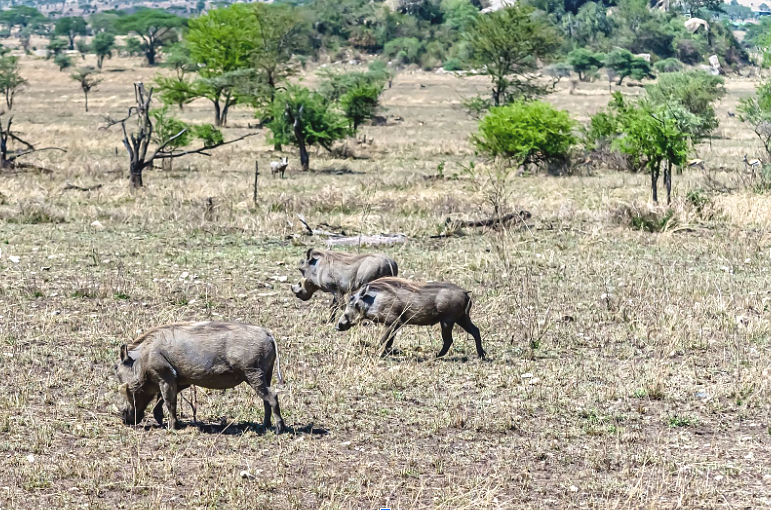
Tanzania is one of Africa's great safari countries. Its national parks protect huge savannahs, ancient craters, wild rivers and some of the continent's best-known wildlife, from the Great Migration in the Serengeti to the black rhino of the Ngorongoro Crater. Whether you want a classic first safari or a remote wilderness with almost no other vehicles, there is a park to match.
Getting to Tanzania's safari parks
Several airlines fly from the UK and Europe to Tanzania. For the northern parks, most travellers fly into Kilimanjaro International Airport and start from Arusha. For the southern and western parks, the usual gateway is Dar es Salaam, followed by a light-aircraft flight to the park. Our team arranges transfers, domestic flights and park logistics as part of every safari journey, so you can focus on the wildlife.
Here are the top 7 safari destinations in Tanzania, and what makes each one special.
1. Katavi National Park
Katavi is one of Tanzania's most remote parks, in the far west of the country near Lake Tanganyika. It covers about 4,500 km² and receives very few visitors, so it is ideal for travellers who want the wilderness almost to themselves. Most guests fly into the Ikuu airstrip, about three hours by air from Dar es Salaam.
The Katuma River and the seasonal Lake Katavi are the heart of the park. From about May to October, as the water shrinks, large numbers of hippos and crocodiles gather in the remaining pools, and lions, buffalo and elephants follow the water. Game drives and walking safaris are both available.
2. Lake Manyara National Park
Lake Manyara is a small, green park at the foot of the Great Rift Valley escarpment, easy to reach from Arusha. It is best known for its tree-climbing lions and the flamingos that gather on the lake. Elephants, hippos, baboons and many colourful birds live in its forest and grassland.
The dry months from June to October are a good time for wildlife viewing. Alongside game drives, the area offers cycling tours and canoe trips when lake levels allow, and you can buy local beadwork and batik cloth from nearby villages.
3. Ngorongoro Crater
The Ngorongoro Crater is the largest intact, unfilled volcanic caldera in the world, a UNESCO World Heritage Site since 1979. Its floor covers about 260 km² and is surrounded by walls about 600 m high, creating a natural enclosure for wildlife. It is reached by road from Arusha, usually as part of a northern circuit safari.
On a crater game drive you may see the Big Five, including the rare black rhino, along with large herds of zebra and wildebeest and the soda lake on the crater floor. June to October is a popular time to visit, and you can shop for handmade baskets and drums nearby.
4. Nyerere National Park
Nyerere National Park covers much of the former Selous Game Reserve in southern Tanzania, one of Africa's largest protected wilderness areas. Most visitors fly in by light aircraft from Dar es Salaam.
The Rufiji River is the park's lifeline, and boat safaris on the river are a highlight, with hippos, crocodiles and rich birdlife close to the boat. Game drives, walking safaris and fly camping complete the experience. The dry season, from about June to October, is the most popular time to go.
5. Ruaha National Park
Ruaha is a wild, remote park in central-southern Tanzania, far from the busier northern circuit. Visitors usually fly to the Msembe airstrip near the park. The Great Ruaha River flows through its centre, drawing elephants, lions, buffalo and antelope to drink and bathe.
June to November is the best time for wildlife here. Enjoy guided bush walks, game drives and excellent birdwatching.
6. Serengeti National Park
The Serengeti is Tanzania's most famous safari destination, covering about 14,763 km², and a UNESCO World Heritage Site since 1981. It is known for the Great Migration, when vast herds of wildebeest, zebra and gazelle move across the ecosystem in search of fresh grazing.
Most travellers fly to Kilimanjaro International Airport and continue to the park by road or light aircraft. The dry season from June to October is ideal for game viewing in the central Seronera area, and a hot-air balloon flight at sunrise is a memorable extra. Try Tanzanian dishes such as ugali and grilled meat at camp.
7. Tarangire National Park
Tarangire is famous for its large elephant herds and ancient baobab trees. It is about a two-hour drive from Arusha, which makes it an easy first or last stop on a northern circuit safari.
From July to October, wildlife gathers along the Tarangire River, the park's main source of water in the dry season. Enjoy game drives and guided nature walks, and look out for Maasai crafts in the surrounding area.
Plan your Tanzania safari
Tanzania rewards every kind of traveller, from first-time visitors on the northern circuit to experienced safari-goers heading for Katavi or Ruaha. Combining two or three of these parks gives you the widest range of landscapes and wildlife in one trip.
Tell us your dates and interests, and our team in Arusha will design a private itinerary for you. Design your safari.


