

Safari in Northern Tanzania – Back to The Sixth Day of the Creation
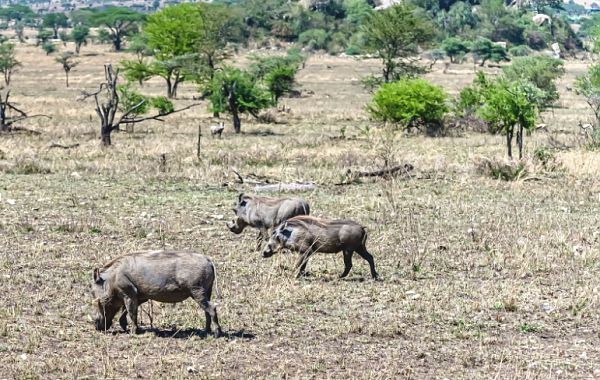
Tanzania's natural endowment as a wildlife safari destination is unrivaled. Wild animals roam in vast areas as God intended on that sixth day of creation. These areas are designated as national parks and game reserves, known for being uncrowded and unspoiled. The magnificent collection of game sanctuaries in the north, near the Kenyan border, is called the Northern Circuit—the most popular and accessible wildlife safari route in Tanzania. Without a doubt, it is one of the finest game-viewing areas in the world.
The stars of the Northern Circuit are Serengeti and Ngorongoro, beloved by nature lovers. Complementing these icons are Arusha, Tarangire, and Lake Manyara National Parks. The wildlife abundance here is astonishing. Alongside the "Big Five"—elephant, buffalo, rhino, leopard, and lion—visitors may encounter wildebeest, zebra, giraffe, hartebeest, eland, oryx, gazelles, and more. Predators like cheetahs, wild dogs, jackals, hyenas, and vultures maintain the natural balance. Bird enthusiasts will be thrilled with over 500 species recorded in the region.
Gateway to Adventure: Arusha National Park
Your safari usually begins in Arusha, a town nestled near Mount Meru and within sight of the majestic Kilimanjaro. Just 32 km away lies Arusha National Park, covering 137 sq km and featuring diverse wildlife like baboons, colobus and vervet monkeys, giraffes, buffalo, elephants, and leopards. Over 400 bird species, including Eurasian migrants, flock here between October and April.
Unique among parks, Arusha offers walking safaris, allowing visitors to step out of the vehicle and immerse themselves in nature. The park’s rich mix of habitats—grassland, montane forest, heath, alpine desert, and crater lakes—makes it ideal for day trips. Highlights include the Momela Lakes, Mount Meru (4,575 m), and Ngurdoto Crater.
The Ngorongoro Wonder
A UNESCO World Heritage Site, the Ngorongoro Conservation Area lies within the Great Rift Valley and spans 8,288 sq km. Its crowning glory, the Ngorongoro Crater, is the largest intact caldera in the world—19 km across and 600 m deep, sheltering about 30,000 animals year-round.
What makes Ngorongoro special is the coexistence of wildlife and the Maasai people, who live and graze their cattle in the area. Be sure to visit Olduvai Gorge, the archaeological site where Louis Leakey unearthed Homo habilis, an early ancestor of humans.
Lake Manyara National Park
Set between the Great Rift Valley escarpment and its namesake lake, Lake Manyara National Park stretches over 330 sq km—70% of which is lake. Known for its tree-climbing lions, this park offers sightings of elephants, buffalo, baboons, giraffes, wildebeest, impalas, and over 400 species of birds, including flamingos, pelicans, spoonbills, and Egyptian geese.
Located just two hours from Arusha by road or 30 minutes by air, it’s a must-visit for nature lovers and birdwatchers alike.
Tarangire National Park
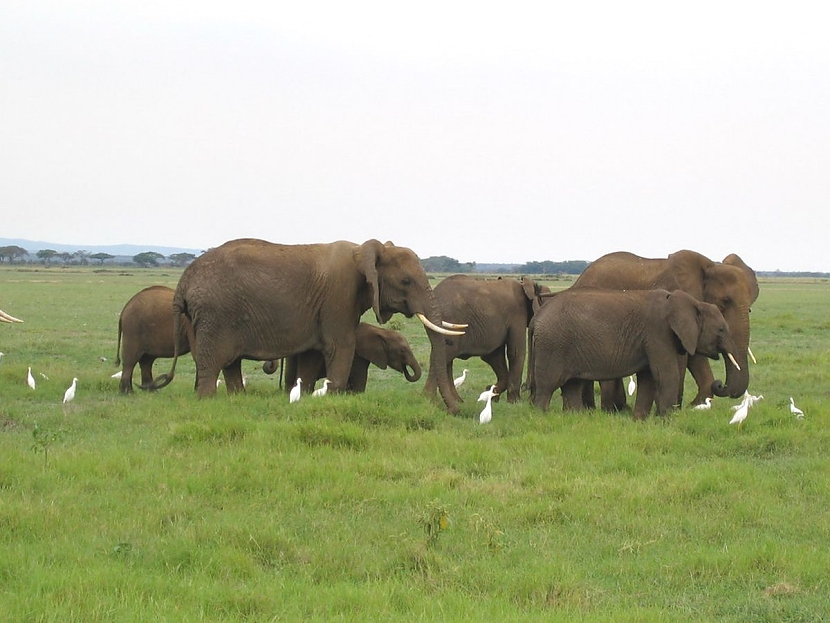
Just a 1.5-hour drive from Arusha, Tarangire is famed for its giant baobabs and large herds of elephants. During the dry season (June to September), thousands of animals converge along the Tarangire River, making game viewing particularly spectacular.
Wildlife includes wildebeest, zebra, giraffe, buffalo, kudu, oryx, and even the elusive tree-climbing python. With more than 550 bird species, this park is a haven for birdwatchers.
Serengeti: The Crown Jewel
The legendary Serengeti National Park—Tanzania’s largest at 15,000 sq km—is a six-hour drive or a one-hour flight from Arusha. Its name, derived from the Maasai word Siringet, means “endless plains.” The Serengeti hosts 3 million large mammals, including elephants, buffalo, lions, leopards, rhinos, zebras, and wildebeests.
The park is also the stage for the Great Migration, a phenomenal event when over a million wildebeest and zebras trek towards Kenya’s Maasai Mara around June. Predators follow in tow, making for incredible, action-packed sightings. A hot air balloon safari during the migration is a bucket-list experience.
Game viewing is best from December to May, when grasses are short. For migration sightings, avoid late June–October when animals are in Kenya.
Where to Stay
Northern Tanzania offers a wide range of accommodations—from basic campsites to luxury safari lodges and tented camps. While budget travelers prefer camping, those seeking comfort can find everything from eco-lodges to upscale wilderness retreats. Browse our Tanzania Hotels & Lodges page for recommended stays.
Planning Your Safari
For the best experience, opt for a guided tour package that includes transport, a knowledgeable guide, park fees, and accommodation. Guides provide invaluable insights into animal behavior and park navigation. If you're experienced and familiar with the area, self-drive options are also available—see our Tanzania Car Rental page for details.
Weather:
Thanks to its elevation, northern Tanzania enjoys a pleasant climate year-round. Daytime temperatures average 22°C (Dec–Mar) and drop to 15°C (May–Aug). Nights can be chilly, so pack a sweater and windbreaker. The dry season (June–September) is best for weather, while the wettest months are April and May.
Clothing Tips:
Wear neutral colors like brown, beige, or khaki—bright colors may attract unwanted attention from animals. Lightweight clothing is ideal, along with sunglasses and binoculars for wildlife spotting. Women should opt for modest attire even though the area is less conservative than coastal regions.
Final Word
A safari in Northern Tanzania is more than a holiday—it’s a journey back to nature’s blueprint. From the vast plains of the Serengeti to the lush forests of Arusha and the dramatic crater of Ngorongoro, this region feels like a step back to the sixth day of creation. Whether you seek adventure, photography, wildlife, or cultural immersion, Wonders of Creation Tours and Safaris is ready to craft the journey of a lifetime for you


_600_380shar-50brig-20_c1_c_t.jpg)