

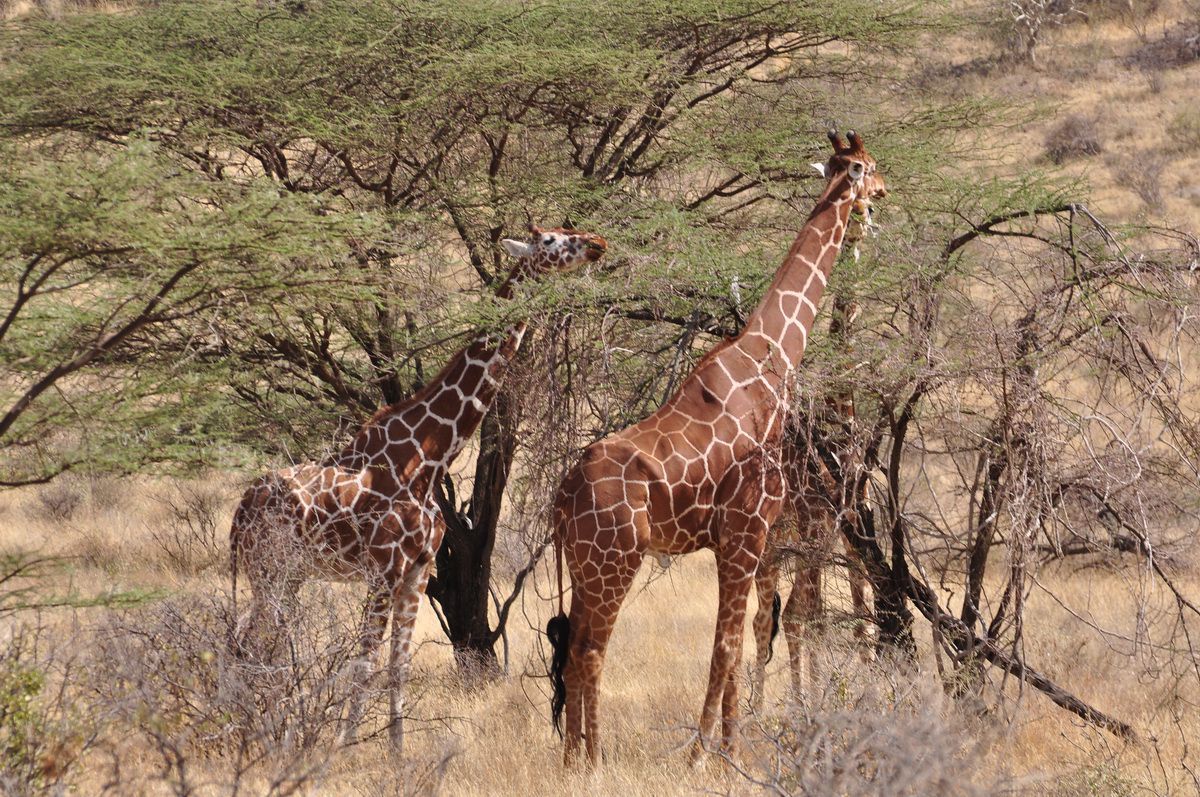


10-days wildebeest migration safari Maasai Mara and Serengeti
10 Days / 9 Nights Days
Nairobi, Kenya → Nairobi, Kenya
Migration
Easy
From
USD $ 5828
per person
Why Choose This Safari?
Ten days, two countries, six distinct ecosystems this is about as complete an East African safari as you can run without it turning into a month-long trip. You get the Maasai Mara and Northern Serengeti's river-crossing heartland for the Great Migration, a full day inside Ngorongoro Crater for the Big Five, Lake Manyara's tree-climbing lions and birdlife, and a genuine change of scenery at Amboseli, where elephant herds pose against Mount Kilimanjaro rather than the open plains you've spent the previous week in. Crossing between Kenya and Tanzania twice — once by air, once by road — means the logistics are handled for you, leaving you free to focus on the wildlife.
Destinations to Travel
Maasai Mara National Reserve (Kenya) · Serengeti National Park — Kogatende/Northern & Seronera/Central (Tanzania) · Ngorongoro Conservation Area & Crater · Karatu · Lake Manyara National Park · Arusha · Amboseli National Park (Kenya)
Itinerary
Day 1 — Nairobi to Maasai Mara
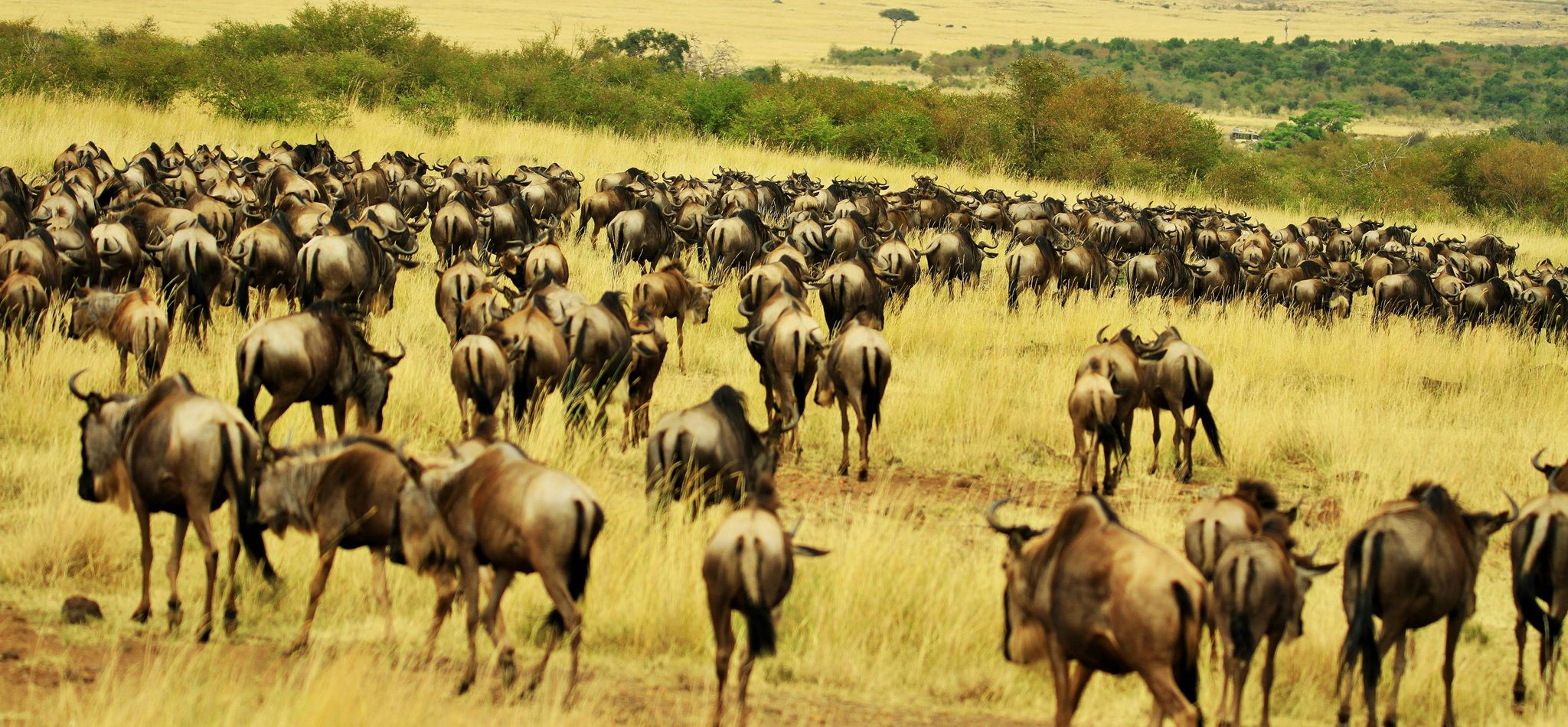
Your odyssey begins with a scenic drive south from Nairobi into the Maasai Mara, pausing along the way to take in the sweeping views of the Great Rift Valley. After a delicious lunch, you head straight into your first game drive in one of Africa's most celebrated reserves, home to both the Big Five and, in season, the leading edge of the Wildebeest Migration — a genuinely strong start to a ten-day trip.
Day 2 — Maasai Mara Full Day Safari
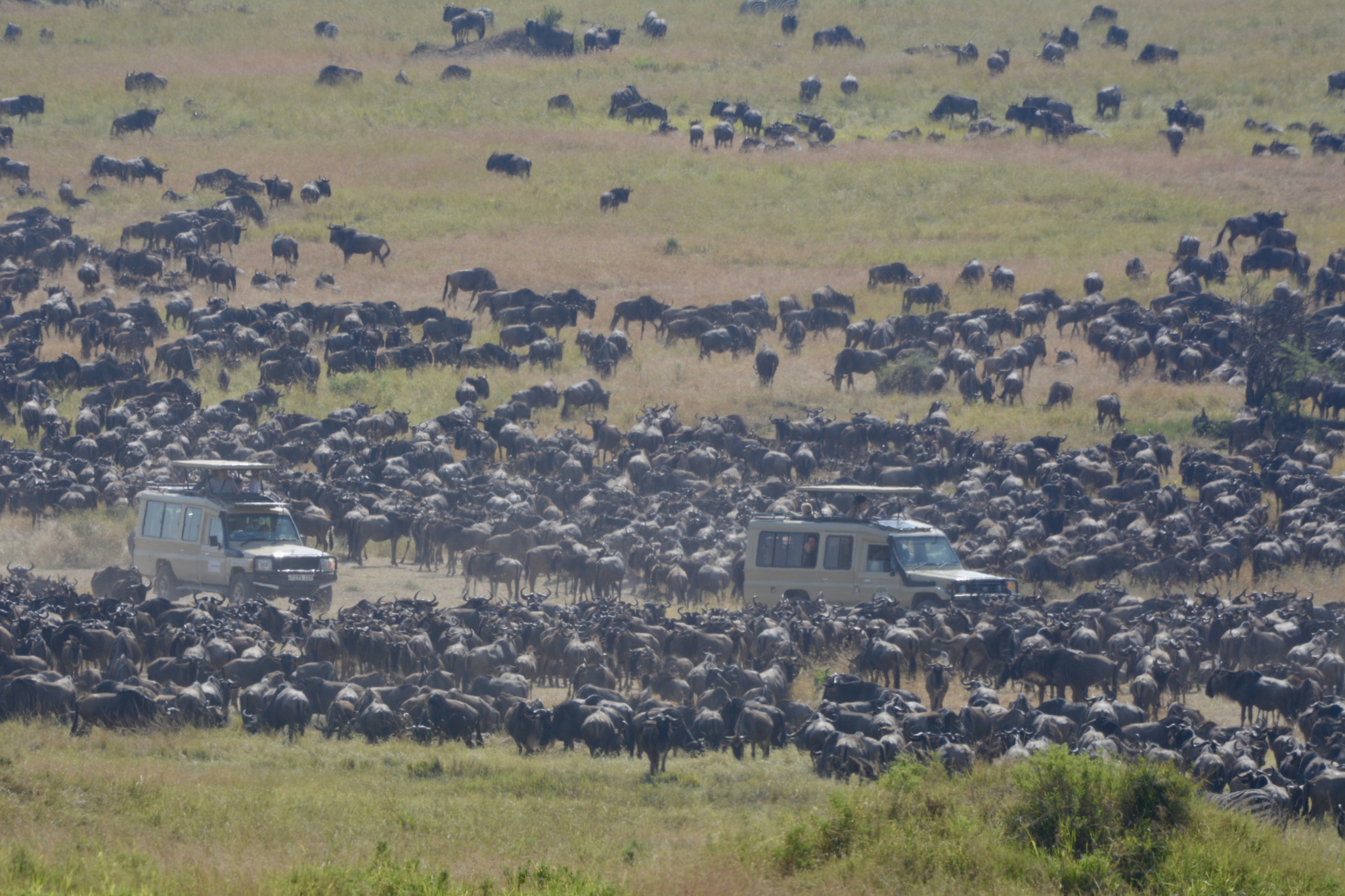
You rise early for a sunrise game drive, prime time for catching predators still active from the night before, or opt instead for a hot air balloon safari drifting silently over the Mara at dawn, finished off with a champagne breakfast served out on the plains. After a later breakfast back at the lodge, the rest of the day is a full exploration of the Mara, tracking the Wildebeest Migration across the open grassland whenever it's in the area.
Day 3 — Maasai Mara to Serengeti (Kogatende Region)
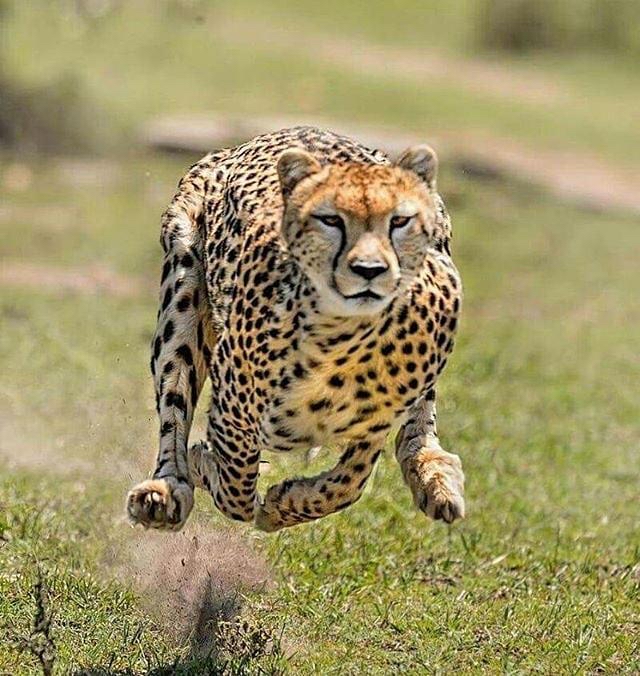
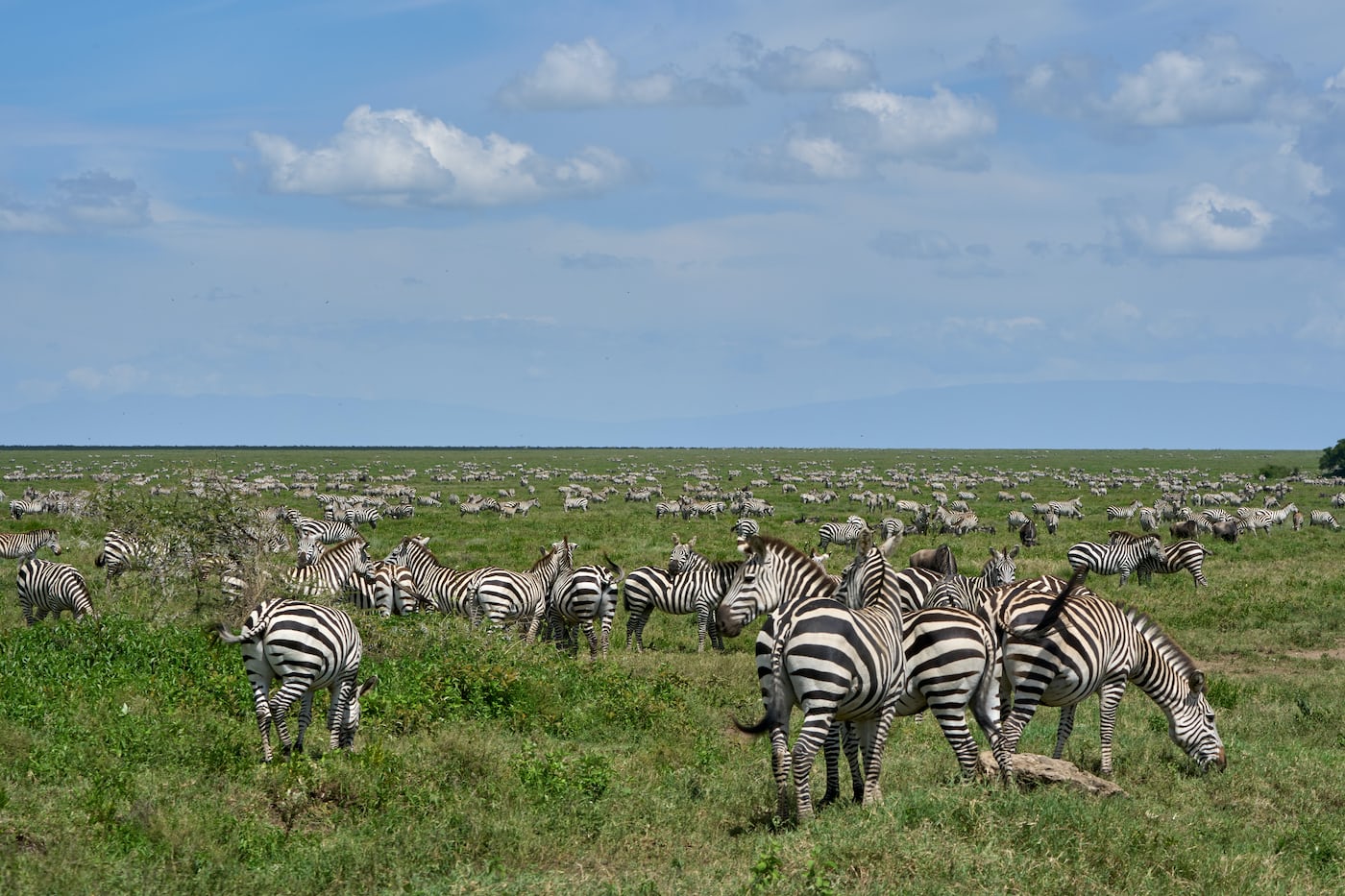
After breakfast, you fly directly into Serengeti National Park, trading the Mara's grasslands for the equally wild Kogatende region in the park's north. Your driver-guide meets you on arrival for an afternoon game drive through an area known for large populations of wildebeest and zebra, along with a strong predator presence — lion, leopard and cheetah are all regularly spotted here.
Day 4 — Serengeti (Kogatende Region)
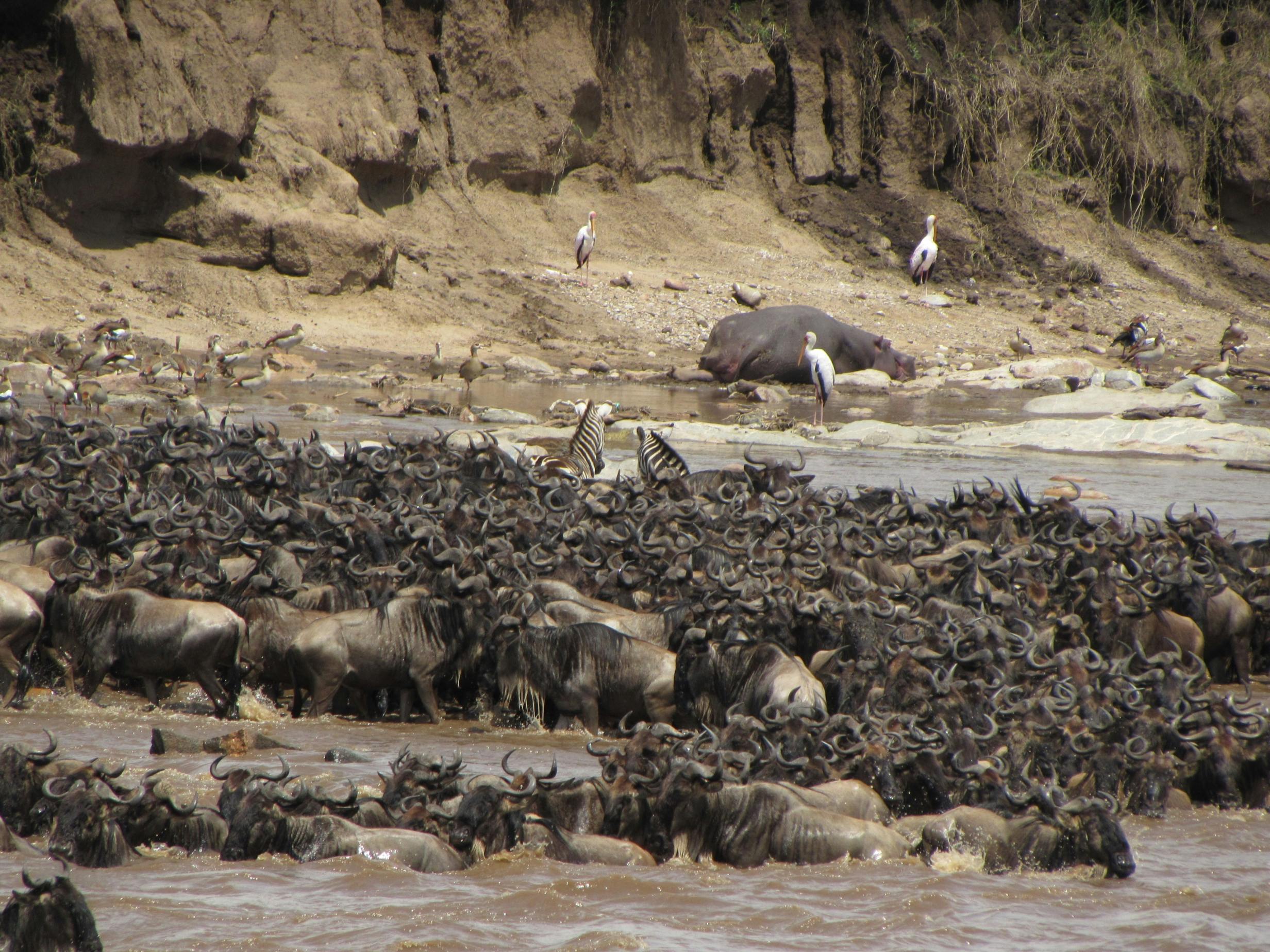
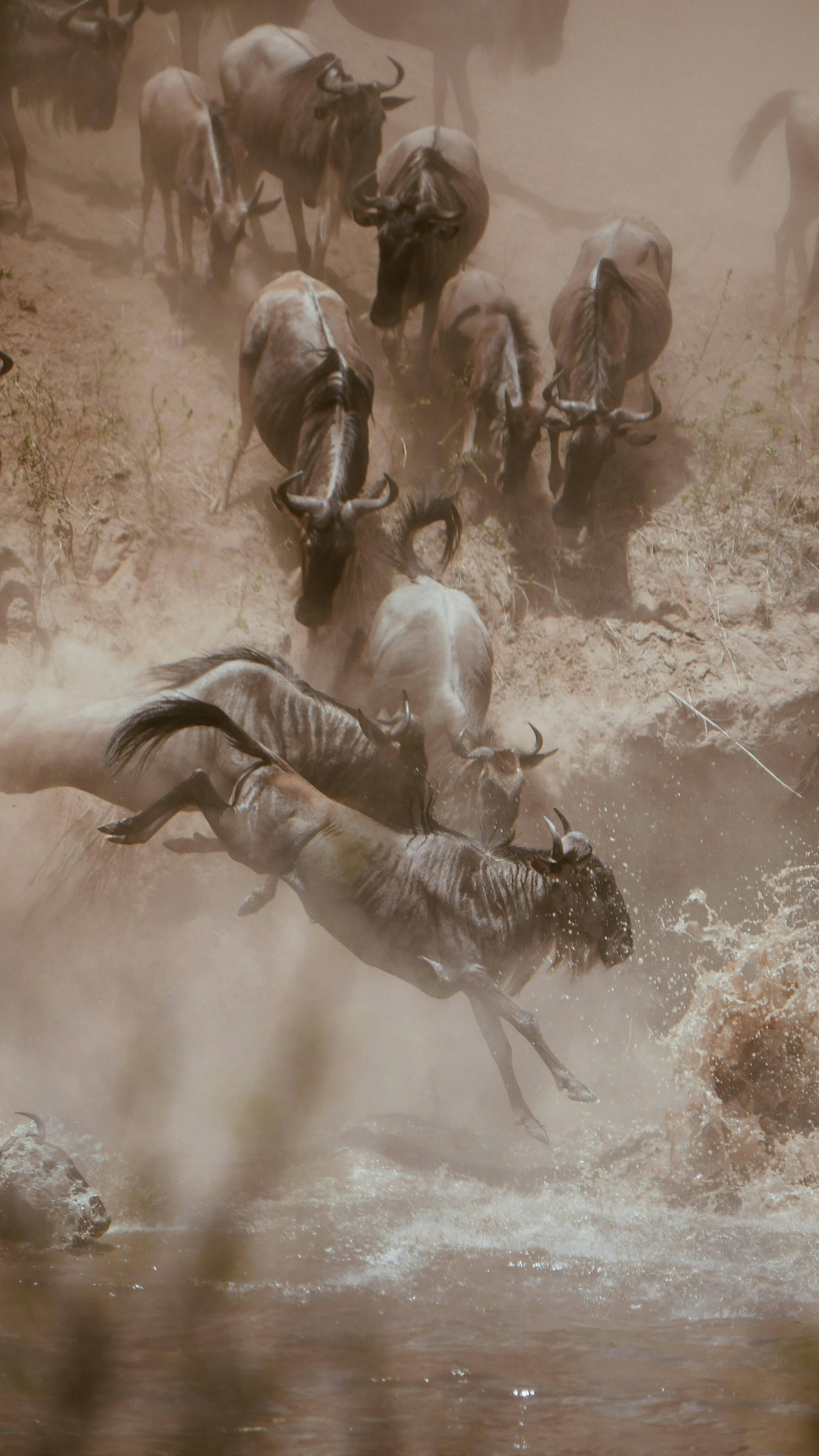
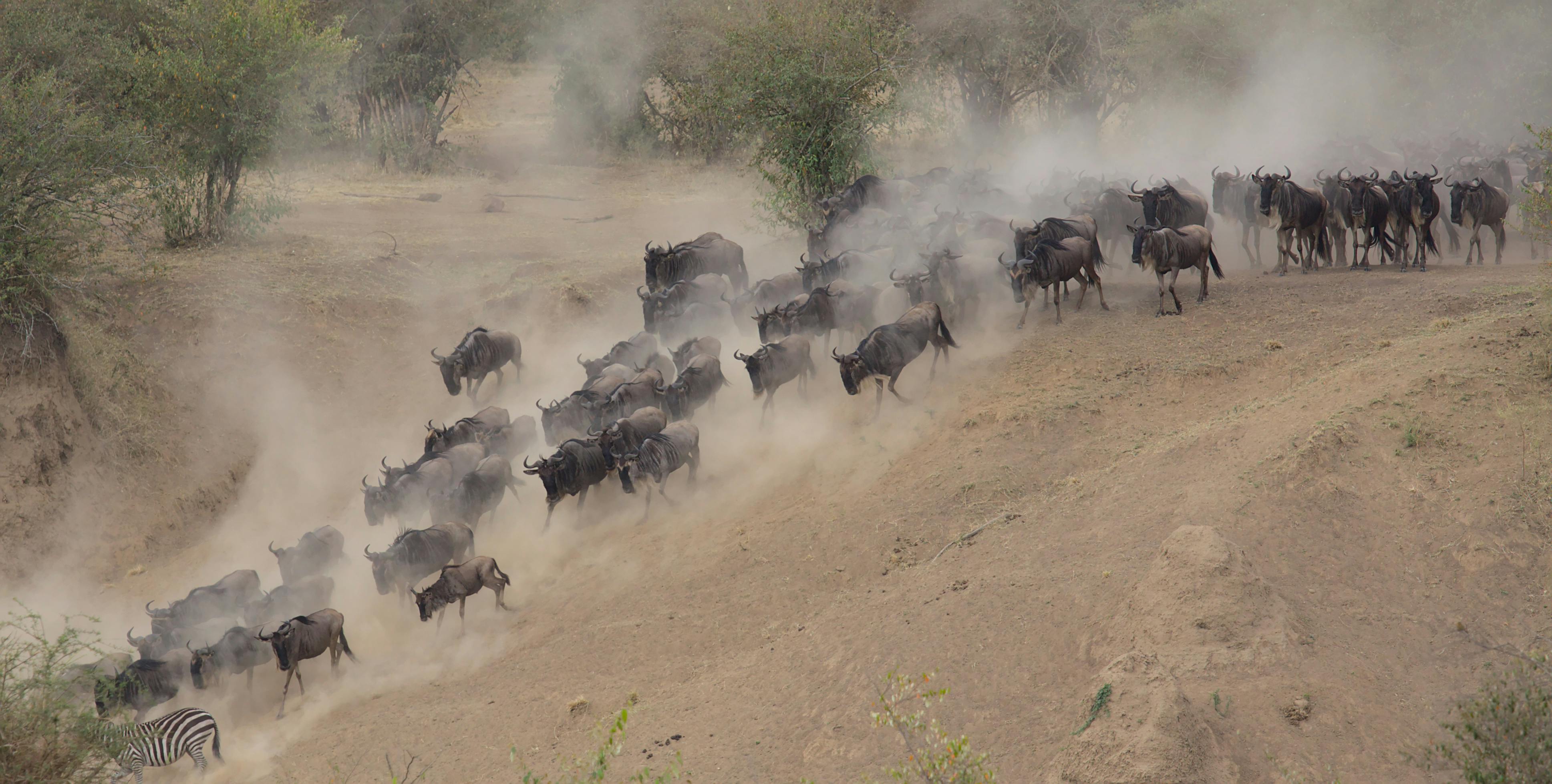
Your full day is spent around the Mara River in Kogatende, hoping to catch one of the natural world's most dramatic sights — wildebeest and zebra plunging through the current, braving Nile crocodiles on their way toward fresh grazing. Whether or not a crossing happens while you're there, the area rewards patience with excellent general game viewing before you head back to your lodge in the heart of the Serengeti for the night.
Day 5 — Serengeti Central
You drive through the iconic Togoro plains and the striking Mbuzi Mawe kopjes on your way to the Seronera region, widely known as "Big Cat Country." It's a full day of game driving built around that reputation, with real chances at lion, cheetah and leopard alongside elephant and plenty more along the way. Dinner and overnight are at your accommodation in Central Serengeti.
Day 6 — Serengeti to Ngorongoro Conservation Area
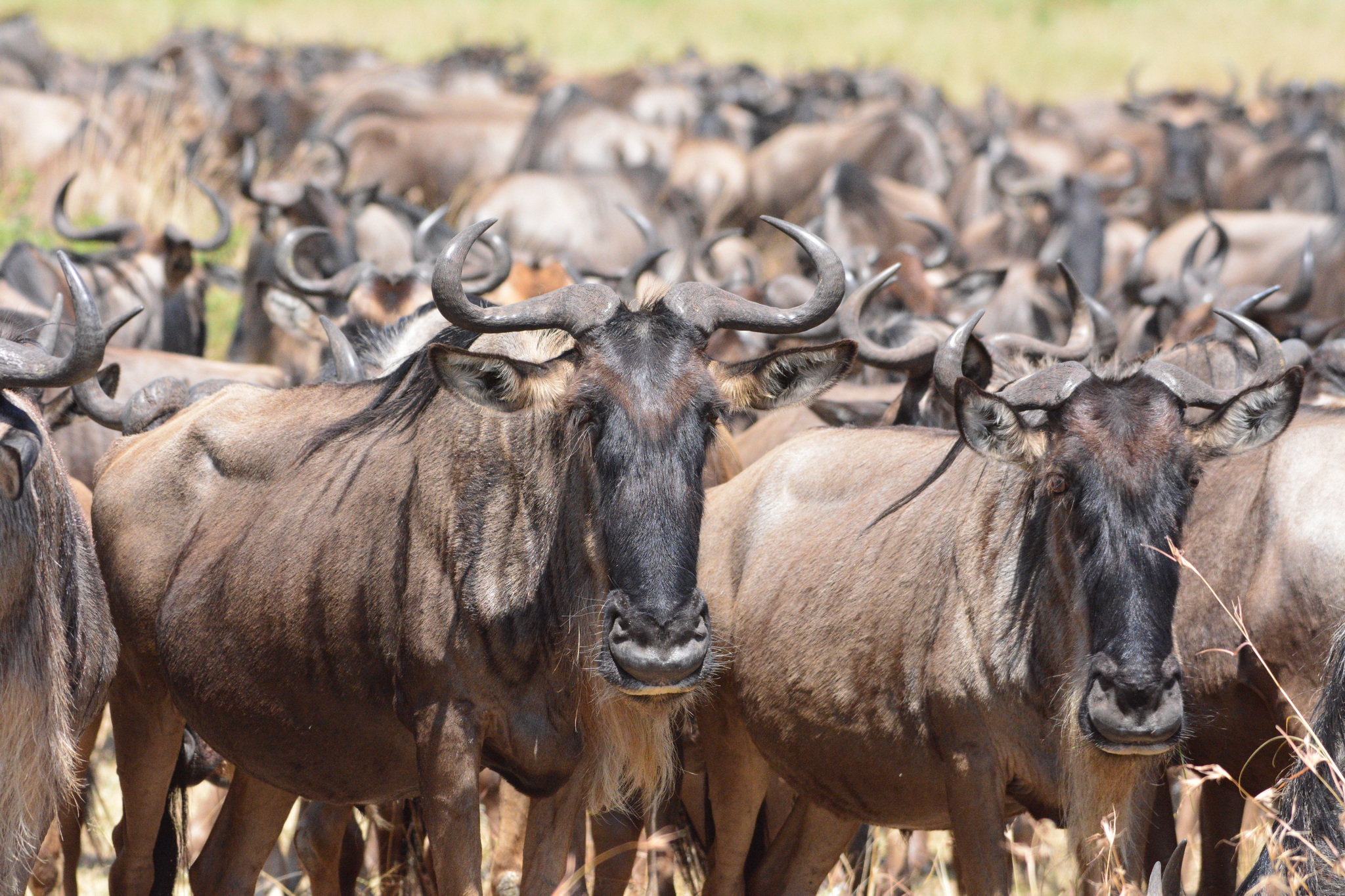
After breakfast, you depart for the Ngorongoro Conservation Area, with the drive itself delivering plenty of wildlife sightings along the way — wildebeest, zebra, giraffe and antelope are all regular company on this route. You overnight either on the rim of the Ngorongoro Crater or in nearby Karatu town, both setting you up well for tomorrow's descent.
Day 7 — Ngorongoro Crater
Today is dedicated entirely to the Ngorongoro Crater's remarkable, self-contained ecosystem — more than 120 mammal species call the crater floor home, from the endangered black rhino to a dense population of resident predators. A picnic lunch by the hippo pool breaks up the day nicely before you head back up to your accommodation nearby for the night.
Day 8 — Ngorongoro to Lake Manyara, then Arusha
You drive to Lake Manyara National Park for a day that's as much about birdlife as big game — tree-climbing lions, flocks of flamingos and a genuinely wide range of bird species make this park a real favorite among photographers. In the evening, you continue on to Arusha for the night, your last stop before crossing back into Kenya.
Day 9 — Arusha to Amboseli National Park
You cross the Tanzania-Kenya border today and continue on to Amboseli National Park, trading the northern safari circuit's landscape for Kenya's own iconic scenery. The afternoon's game drive brings herds of elephant, wildebeest and zebra into view, all set against the unmistakable backdrop of Mount Kilimanjaro — one of the most photographed wildlife scenes in Africa.
Day 10 — Amboseli to Nairobi
You wake early for one last chance to see Kilimanjaro in the clear morning light, before breakfast and the final drive back to Nairobi. On arrival, you're dropped off at your hotel or the airport, bringing a ten-day, two-country safari to a close.
What's Included
Rate Includes
- Transport on 4WD vehicle with the pop-up roof, which enable you to spot wildlife easier
- Three meals a day on Safari
- Park entrance fees
- Driver’s allowances
- Service of an English speaking professional guide/Driver
- Camping fees, Mattresses
Crater fees - Food, cook and all kitchen utensils
- Mineral water 1.5lt per person per day
- Activities as per itinerary above
Rate Excludes
- International flights to/from your home
- Tips & gratitude’s
- The first night on your arrival and last night after safari (book with us)
- Airport transfers (book with us)
- Personal insurance
- Sleeping bag
- Olduvai Gorge fees
- Alcoholic drinks
- Serengeti Balloon (can book with us)
- Flying doctor’s insurance, we can arrange for requests.
- Tips to the driver/guide and all items of personal nature/use
- Easter, Christmas & New Year’s supplements may apply
Best Time to Go
This route is built around the Great Migration's movement between the Maasai Mara and Northern Serengeti, so July through October is the strongest window for Mara River crossings in the Kogatende region. Outside migration season, Seronera's resident big cats, the Ngorongoro Crater and Amboseli's elephant herds are all strong year-round draws, so the trip still delivers even if you're traveling outside the peak crossing months.
Pricing
From USD $ 5828 per person
| Option | Price | Pax |
|---|---|---|
| Standard Accommodation Safari | US$ 5828 per person sharing | Minimum 2 Pax |
Frequently Asked Questions
Do I need separate visas for Kenya and Tanzania on this trip?
Yes — this itinerary crosses between the two countries twice, once by air on Day 3 (Maasai Mara to Serengeti) and once by road on Day 9 (Arusha to Amboseli), so you'll need valid entry requirements for both Kenya and Tanzania. Worth sorting these out well in advance of travel.
Will I see the Mara River crossings?
It depends on timing — the crossings are most likely from roughly July through October, when the Wildebeest Migration is typically moving through the Kogatende region of Northern Serengeti. Outside that window, the itinerary still delivers excellent game viewing across every stop, just without that specific spectacle.
Is the hot air balloon safari on Day 2 included in the price?
It's offered as an optional activity, but balloon safaris are almost always priced separately from the core safari package across the industry — worth confirming the exact add-on cost with our accounts team before this goes live.
Where will I stay each night?
Accommodation isn't named for any of the nine nights in this draft itinerary — just described generically by region throughout. We'll confirm specific properties for the Maasai Mara, Kogatende, Seronera, Ngorongoro/Karatu, Arusha and Amboseli before this is finalized.
What makes Amboseli different from the other parks on this trip?
Amboseli is known above all for its elephant herds and its postcard views of Mount Kilimanjaro, Africa's tallest mountain — it's a genuinely different landscape from the Mara, Serengeti and Ngorongoro, and a strong way to close out the trip with something visually distinct.
Does the trip end with an airport drop-off in Nairobi?
Yes — Day 10 explicitly ends with a drop-off at either your hotel or the airport in Nairobi, so this itinerary is self-contained from start to finish without any additional transfers to arrange.