



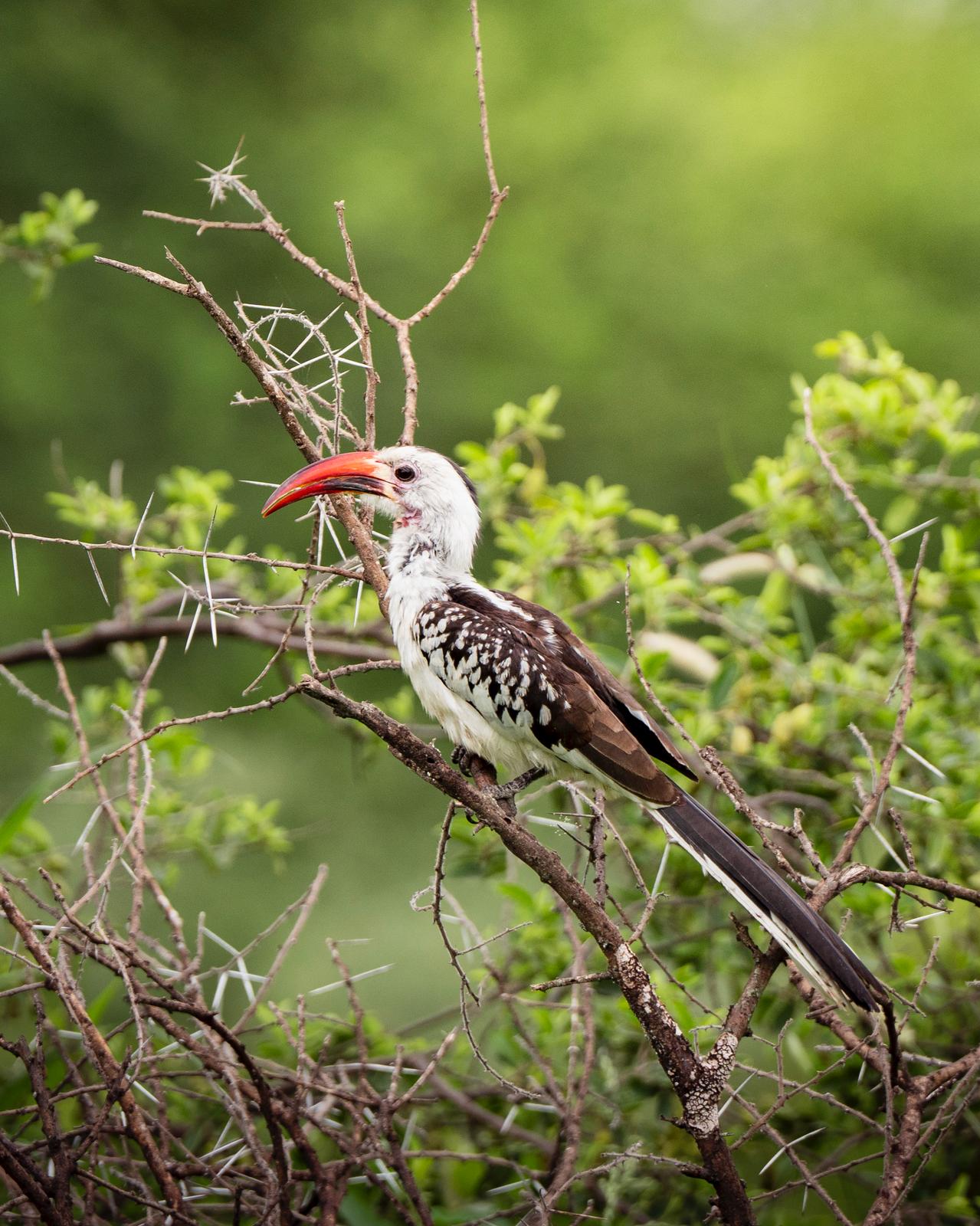
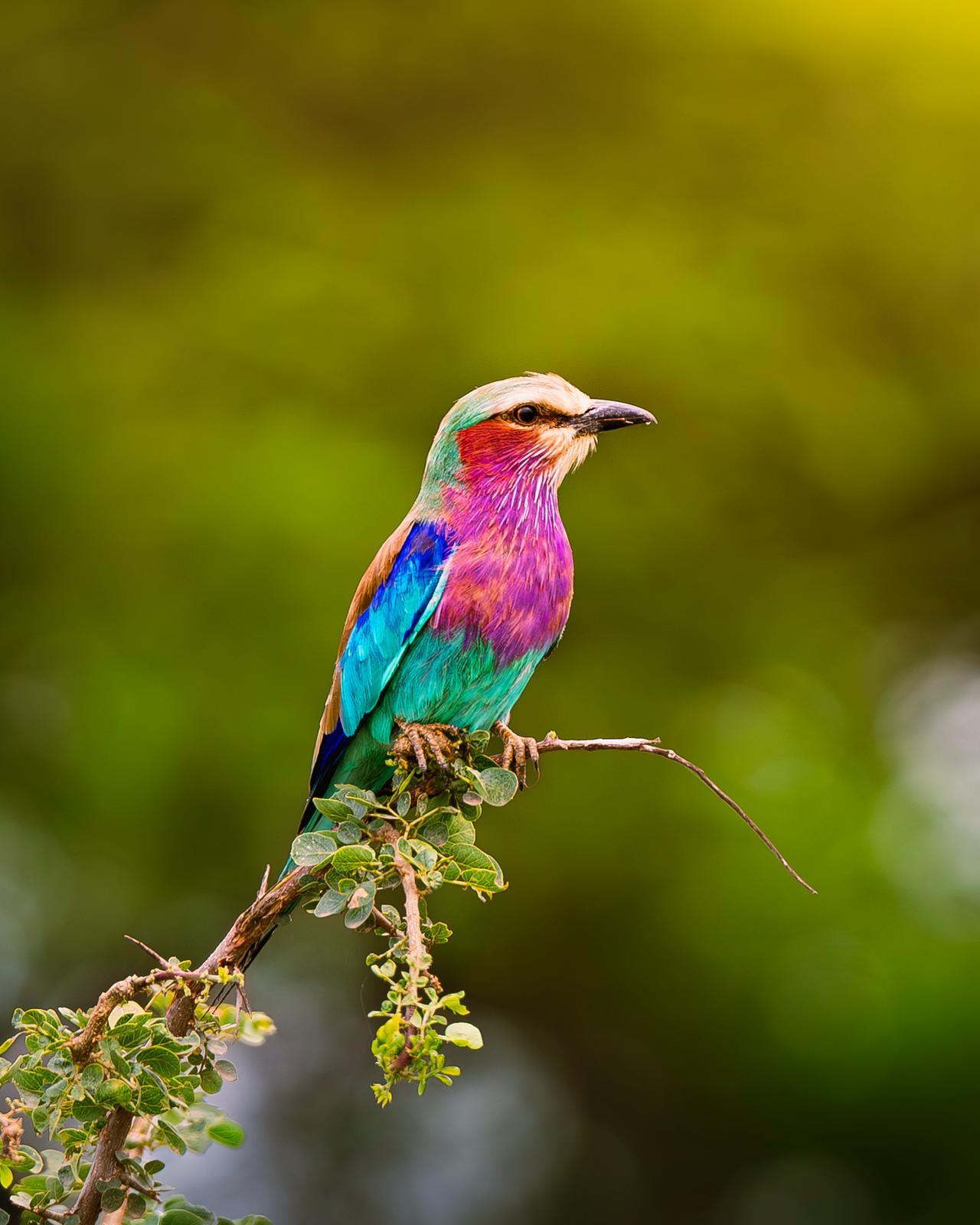
12 Days Unforgettable Birding Adventure
12 Days-11 Night Days
Arusha, Tanzania → Dar es Salaam, Tanzania (with optional Zanzibar beach extension)
Safari
Moderate
Why Choose This Safari?
This is one of the most complete birding routes Tanzania has to offer, stringing together four genuinely different ecosystems in a single trip — Mkomazi's dry savannah, the cloud forests of the South Pare and Usambara Mountains, and the coastal thickets around Ushongo Beach. The Eastern Arc Mountains sections alone are worth the trip for serious birders, with real shots at range-restricted species like the South Pare White-eye, Usambara Thrush and Usambara Weaver found almost nowhere else on the planet. Twelve days gives you enough time at each stop to actually find these birds rather than ticking past them on a drive-through itinerary.
Destinations to Travel
Duluti Forest · Nyumba Ya Mungu Dam · Mkomazi National Park · South Pare Mountains (Shengena Forest) · West Usambara Mountains (Magamba Nature Reserve) · Amani Nature Reserve (East Usambara Mountains) · Ushongo Beach, Pangani
Itinerary
Day 1 — Kilimanjaro Airport to Duluti Forest
Your birding guide meets you at Kilimanjaro International Airport with a warm welcome and a quick rundown of the twelve days ahead, before the scenic hour-long drive to Duluti Forest — a gentle, low-pressure introduction to Tanzanian birding before the more demanding days further into the trip. Along the way, and once you're walking the forest trails, your guide will be scanning for elusive species like the Crested Guineafowl, Eastern Bronze-naped Pigeon and African Crowned Eagle, while the treetops are worth watching for Grey-headed Bushshrike, Yellow-rumped Tinkerbird and the strikingly colored Purple-crested Turaco. A picnic lunch set up in a quiet corner of the forest, with local dishes and nothing but birdsong for company, makes for an easy, memorable start to the trip. You'll head to your lodge in the evening for dinner and overnight.
Day 2 — Arusha to Mkomazi National Park & Nyumba Ya Mungu Dam
After breakfast, you set off from Arusha with a packed lunch for the road, stopping around midday in Mwanga to stretch your legs and refuel before continuing on to the Nyumba Ya Mungu Dam. This expansive reservoir is one of northern Tanzania's most underrated birding sites, drawing in a wide variety of waterfowl alongside the savannah woodland species that call the surrounding country home — a genuinely magical change of pace after the forest birding of Day 1. In the evening, you continue on to Same for dinner and an overnight stay.
Day 3 — Full-Day Birding at Mkomazi National Park
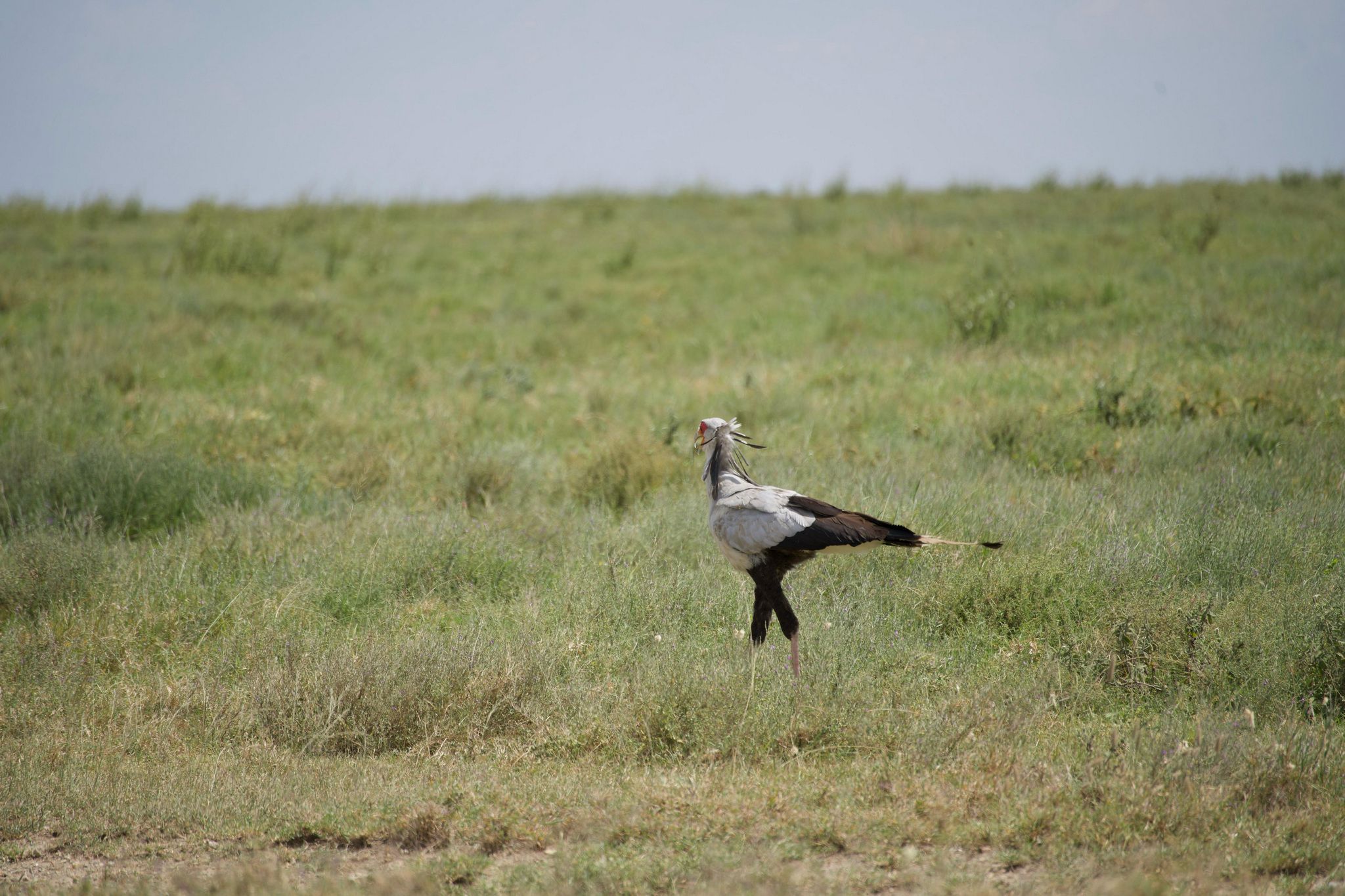
After an early breakfast, you're just a short five-kilometer drive from Mkomazi National Park, leaving plenty of the day for exploring its mix of savannah and wetland habitats. Mkomazi has a strong reputation among Tanzania's birding circuit for rarities, and this is your best shot at species like the Secretarybird, striding through the grass on its long legs, and the localized Somali Courser. You return to the Elephant Motel in Same for a comfortable overnight stay.
Day 4 — South Pare Mountains and Magamba Forest
The morning takes you up into the South Pare Mountains and Shengena Forest, one of the best places in Tanzania to track down the South Pare White-eye, a genuine Eastern Arc endemic found nowhere else on Earth. After half a day of birding here, you head back to Same for lunch before continuing on to the Usambara Mountains and Magamba Forest, arriving in time to settle into your lodge surrounded by forest on all sides.
Days 5 & 6 — Usambara Mountains & Magamba Forest Birding
Two full days are spent immersed in Magamba Forest, one of the most rewarding birding destinations in the Usambara range. This is prime habitat for range-restricted species like the Usambara Thrush and the striking Usambara Weaver, and with only short breaks for lunch, you'll have genuinely unhurried time to work the forest's trails and edges for its specialties. Nights are spent at your forest lodge, falling asleep to the sound of the Usambara's resident nightlife.
Day 7 — Amani Nature Reserve, East Usambara Mountains
After breakfast, you head to Amani Nature Reserve, tucked into the East Usambara Mountains, with a lunch stop in Muheza along the way. Your first birding session comes this afternoon, with real chances at specialties like the Amani Sunbird and the Long-billed Forest Warbler, one of the Usambara region's most sought-after near-endemics. After dinner, a night birding excursion goes looking for the elusive Usambara Eagle Owl and whatever else the forest's nocturnal cast has to offer.
Days 8 & 9 — Full Days at Amani Nature Reserve
The next two days are spent fully immersed in Amani's birdlife, one of Tanzania's richest sites for endemic and endangered species. Targets here include the East Usambara Hyliota and the striking Usambara Batis, with a lunch break at the rest house splitting the day and afternoons given over to chasing lifers through the reserve's forest trails. Evenings settle into the reserve's quiet, unhurried rhythm, with time to rest up before more birding the following day.
Day 10 — Coastal Birding at Ushongo Beach
You leave the mountains behind today for the coastal paradise of Ushongo, with a lunch stop at Ushongo Bandas Resort on arrival. The afternoon is spent birding along the coastline, a complete change of scenery from the forest days before, with shorebirds and other coastal specialties to look out for against a backdrop of white sand and the Indian Ocean. Dinner and an overnight stay at the resort round out the day.
Day 11 — Coastal Relaxation & Birding
Your final full day strikes a nice balance between birding and simply unwinding a half-day birding session in the morning, followed by an open afternoon to swim, relax on the beach, or just sit with a drink and reflect on eleven days of birding across some of Tanzania's most varied landscapes. Dinner at the resort in the evening is a fitting close to the trip, with plenty to recount from the days before.
Day 12 — Return to Arusha
After breakfast, you begin the journey back to Arusha, with plenty of time on the road to look back on twelve days that took you from savannah to cloud forest to coastline a proper cross-section of what makes Tanzania one of Africa's most rewarding birding destinations.
What's Included
Rate Includes
Park fees
All activities (unless labeled as optional)
All accommodation(Unless listed as upgrade)
A professional driver/guide
Walking Guide
All transportation (unless labeled as optional)
All Taxes/VAT
Meals (as specified in the day-by-day section) Drinking water (on all days)
Rate Excludes
PorterageRescue fee
Climbing gear
International flights (from/to home)
Roundtrip airport transfer
Additional accommodation before and at the end of the tour
Tips (tipping guideline: US$20.00 per day)
Personal items (souvenirs, travel insurance, visa fees, etc.)
Government-imposed increase of taxes and/or park fees
Best Time to Go
Tanzania's birding calendar runs opposite to the classic safari season in some respects — November through April brings an influx of Palearctic migrants alongside the resident specials, making it a particularly rewarding window for this route's mix of savannah, forest and coastal habitats. The Eastern Arc endemics in the Usambara and South Pare Mountains are good year-round, since they don't migrate, but trails are easier going in the drier months from June to October if forest hiking in the rain isn't your idea of a good time.
Pricing
Frequently Asked Questions
Is this trip suitable for beginner birders, or only serious enthusiasts?
Both, really he itinerary is paced for serious birders chasing Eastern Arc endemics, but your guide is just as comfortable introducing newer birders to the basics of Tanzanian birdlife. That said, with full or half days of birding on almost every stop, a genuine interest in getting up early and spending real time in the field will get you the most out of the twelve days.
What are the must-see species on this route?
The headline targets are the Eastern Arc endemics and near-endemics along the way the South Pare White-eye in Shengena Forest, the Usambara Thrush and Usambara Weaver in Magamba Forest, and the Amani Sunbird, Long-billed Forest Warbler, East Usambara Hyliota, and Usambara Batis around Amani Nature Reserve. Add in savannah specialists like the Secretarybird and Somali Courser at Mkomazi, plus coastal species at Ushongo Beach, and you've got one of the more complete species lists available on a single Tanzania birding trip.
How much walking or hiking is involved?
A fair amount, particularly during the Magamba Forest and Amani Nature Reserve legs, where birding happens on foot along forest trails rather than from a vehicle. The pace is generally gentle and stop-start, built around spotting and photographing birds rather than covering distance, but a reasonable level of fitness makes the forest days considerably more comfortable
Is night birding included, and what might we see?
Yes — Day 7 at Amani Nature Reserve includes a guided night birding excursion specifically targeting the elusive Usambara Eagle Owl, along with whatever other nocturnal species are active that night. It's one of the trip's genuine highlights for anyone chasing a complete Usambara species list.
Where will I stay each night?
Accommodation varies by region: comfortable motels in Same, forest camps and lodges in Magamba and Amani (exact properties still to be confirmed in a couple of cases), and a proper beach resort at Ushongo to close out the trip. We'll confirm the final lodge names before your trip is booked.
Does the trip end with an airport transfer?
The itinerary as provided ends with the drive back to Arusha; an onward airport transfer isn't explicitly stated, so worth confirming with our team whether that's included or arranged separately depending on your flight time.