

3 Days – Meru Trekking
3 Days / 2 Nights Days
Arusha or Moshi, Tanzania (hotel pickup) → Arusha or Moshi, Tanzania (hotel drop-off)
Adventure Tour
Moderate
Why Choose This Safari?
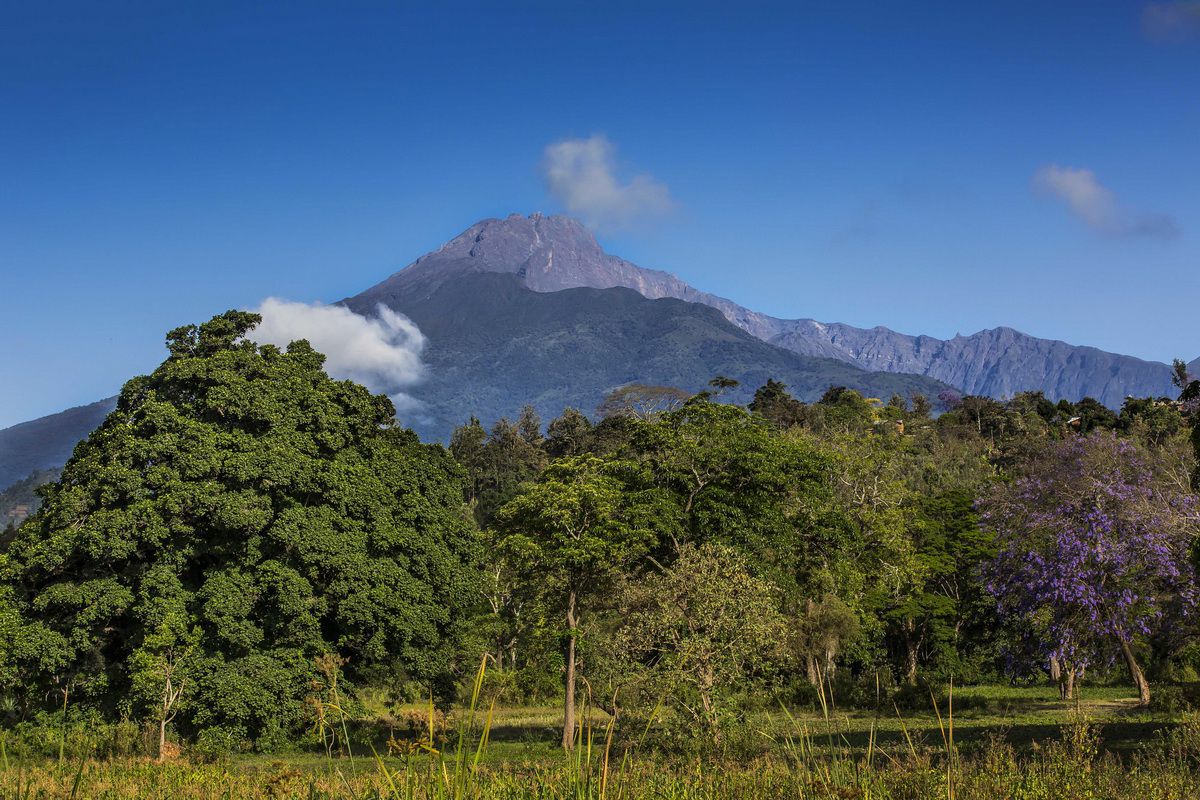
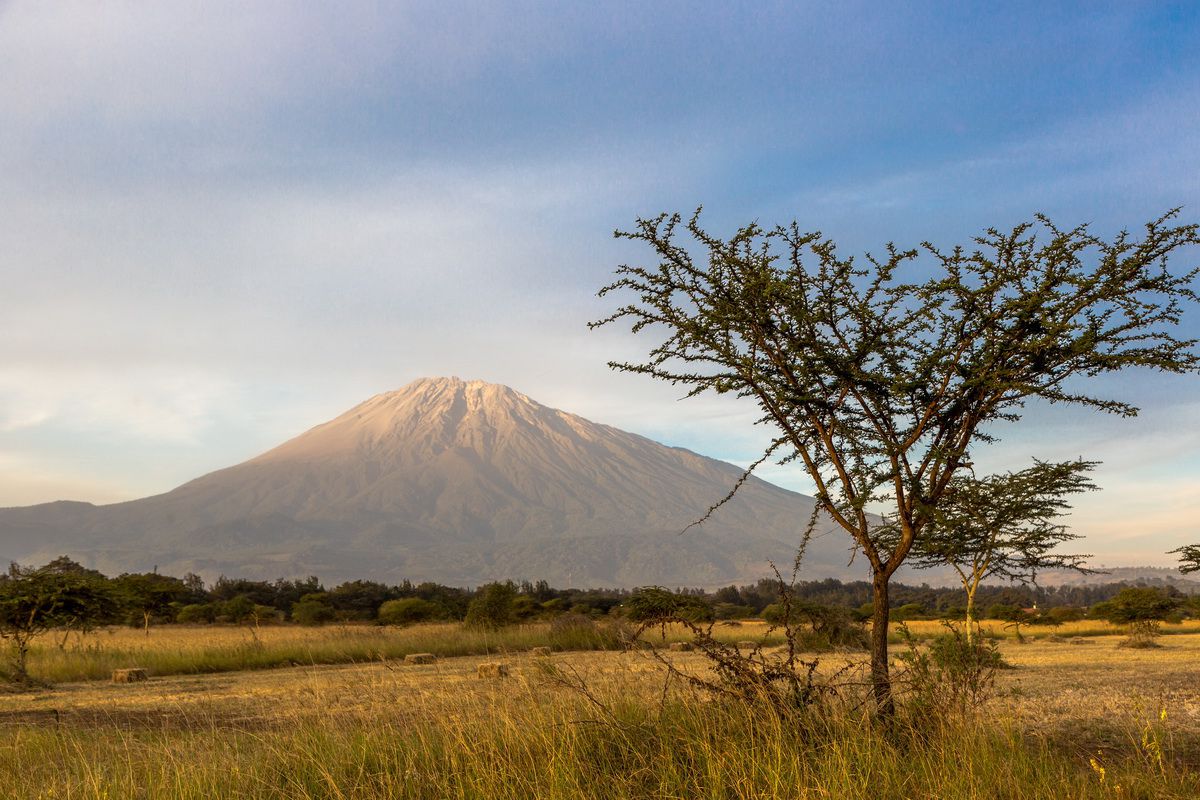
Mount Meru rises to 4,566 m and is the second highest mountain in Tanzania, standing inside Arusha National Park, a small park with a big mix of habitats. That makes this three-day climb a popular acclimatization trek before Kilimanjaro, and a rewarding summit in its own right. You start with an armed ranger escort through montane forest where you may see giraffe, buffalo, zebra, antelope, monkeys and elephant, climb above the forest to Saddle Hut, and then tackle a pre-dawn summit push along a narrow ridge between the crater’s sheer inner cliffs and its sloping outer wall. If the sky is clear you may see Kilimanjaro rising above the clouds at sunrise. The route is short, so it fits into a busy itinerary, and you’re collected and returned to your hotel in Arusha or Moshi.
Safari Highlights
- Tour above can be customized based on your needs or requirements. You can add with Wildlife Safari, Beach Holidays etc
Destinations to Travel
Arusha National Park · Momella Gate · Miriakamba Hut · Saddle Hut · Little Meru · Rhino Point · Cobra Point · Mount Meru Summit
Itinerary
Day 1 — Arusha/Moshi to Momella Gate to Miriakamba Hut
You’re driven from Arusha or Moshi to Momella Gate in Arusha National Park. After a short registration at the gate, your walk begins with an armed ranger escorting you through montane forest. Along the way you may see wildlife, including elephants, zebras, giraffe, monkeys and antelope. It’s a gentle first day that lets your legs and lungs get used to the climb. You finish at Miriakamba Hut for dinner and your first night on the mountain.
Trek: Elevation 1,500 m to 2,514 m (4,921 ft to 8,250 ft) · Distance 10 km · Hiking time 4 to 6 hours · Habitat: montane forest
Day 2 — Miriakamba Hut to Saddle Hut
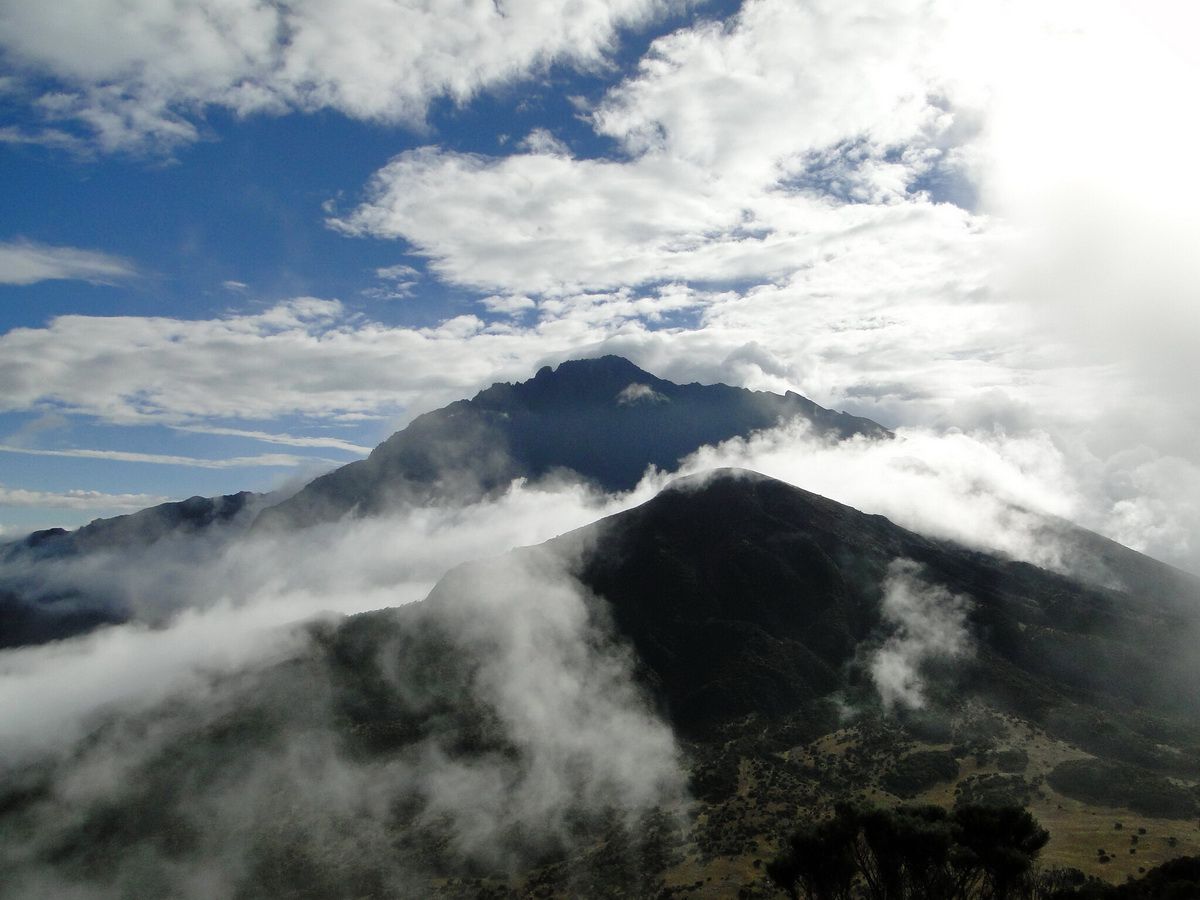
The walk from Miriakamba Hut to the saddle below Little Meru is short but steep. You walk slowly along the ridge for spectacular views of the Meru Crater and the impressive Ash Cone. After a hot lunch at Saddle Hut, you can make a short climb to the summit of Little Meru (3,820 m) for superb views just before sunset. Then it’s back to Saddle Hut for dinner and an early night, ready for the summit push.
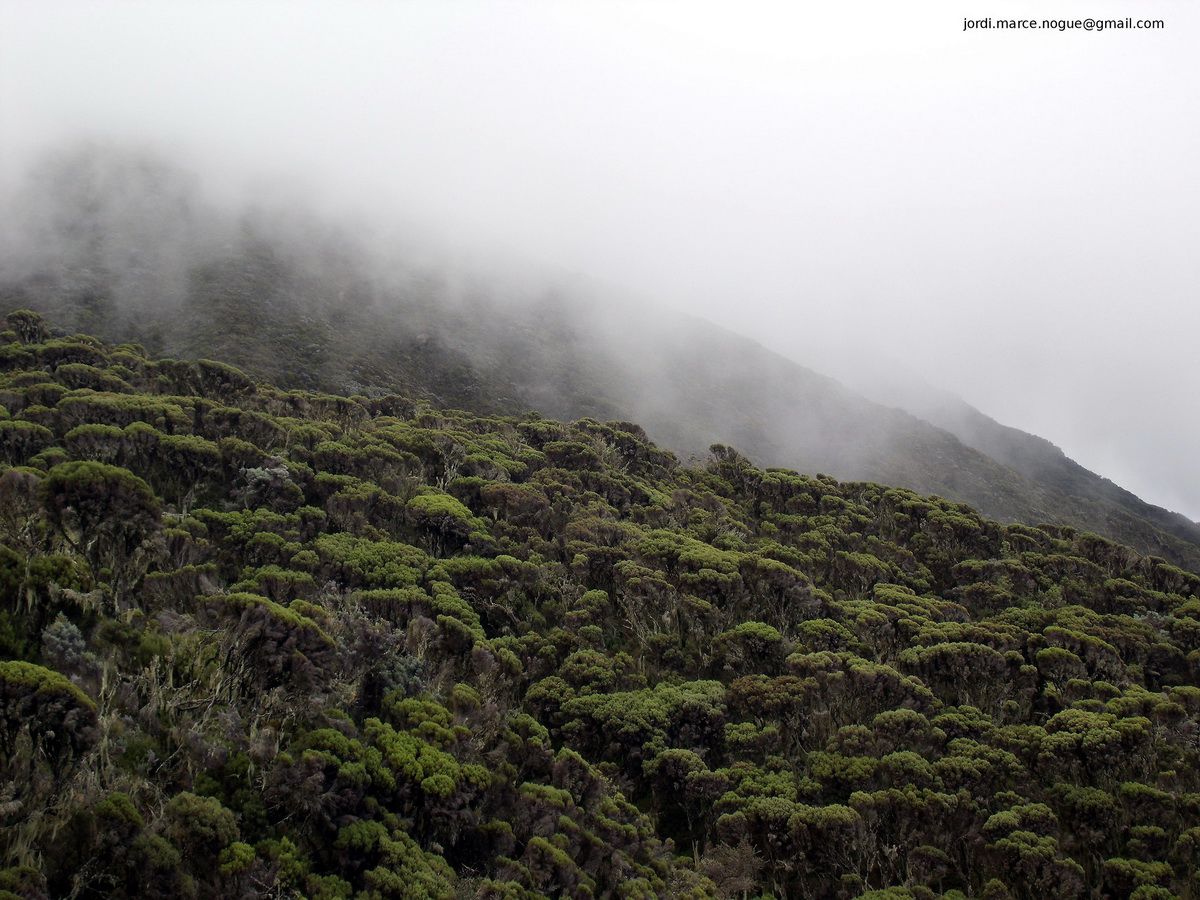
Trek: Elevation 2,514 m to 3,570 m (8,250 ft to 11,712 ft) · Distance 8 km · Hiking time 3 to 5 hours · Habitat: forest and moorland
Day 3 — Summit Day, Momella Gate and Return to Arusha/Moshi
You start early, at around 1:30am, climbing steeply to Rhino Point (3,800 m) and on to Cobra Point (4,350 m). You reach the summit at 4,566 m for sunrise, with a chance of seeing Kilimanjaro above the clouds. The final stretch follows a spectacular narrow ridgeline between the sheer inner cliffs and the sloping outer wall of the crater. After a short rest on top you head back down for brunch at Saddle Hut, then continue the descent to Momella Gate. Your transfer is waiting at the gate to take you to your hotel in Arusha or Moshi.
Trek: Elevation 3,570 m to 4,566 m to 2,514 m (11,712 ft to about 14,980 ft to 8,250 ft) · Distance 5 km up, 13 km down · Hiking time 12 to 14 hours · Habitat: alpine desert, moorland and montane forest
What's Included
Rate Includes
- Transport to and from mountain gates.
- All parks entry fees.
- All camping fees.
- Rescue fees.
- Guide and porters fees.
- Guide and porters salaries.
- All accommodations on the mountain based on three meals a day.
- Cook and all kitchen utensils.
Rate Excludes
- International and domestic flights (we can arrange on request)
- Accommodation on the first night upon your arrival before climb and on the last day after climb (book with us)
- Airport transfers (book with us)
- Tips, drinks and all items of personal nature
- Hard and soft drinks and tips
- Sleeping bags but we can provide for hire on request
- All Mountain Gears (we can arrange hire of this)
Best Time to Go
No travel window was given for this itinerary, so the advice below comes from the route and Tanzania’s general seasonality. The dry seasons, roughly June to October and December to February, usually give the clearest views from the crater rim and the most comfortable trail conditions, and clear skies improve your chance of seeing Kilimanjaro at sunrise. The wet months of March to May and November can make the forest and moorland slippery and the views cloudier. Nights on the upper mountain are cold in every season, so bring warm layers whenever you go. If you’re planning to climb Kilimanjaro afterwards, schedule Meru first so you have a rest day before your main climb. For park information, see the Tanzania National Parks Authority.
Pricing
Frequently Asked Questions
Where does this climb start and end, and how long does it take?
The climb starts with a pickup from your hotel in Arusha or Moshi, a drive to Momella Gate in Arusha National Park, and ends with a transfer back to your hotel on Day 3. It takes 3 days and 2 nights, including one night at Miriakamba Hut and one at Saddle Hut.
Is Mount Meru a good warm-up for Kilimanjaro?
Yes. Meru stands at 4,566 m, high enough to test how your body responds to altitude, and the staged ascent through forest, moorland and alpine desert gives you a taste of what a longer climb involves. Many trekkers climb it first as an acclimatization trek.
How hard is summit day?
Summit day is the toughest part of the trek. You start at around 1:30am and hike for 12 to 14 hours in total, with 5 km up to the summit and 13 km down. The route passes Rhino Point and Cobra Point and follows a narrow ridgeline along the crater rim, so a good level of fitness and a steady pace help.
Will we see wildlife on the climb?
You may see giraffe, zebra, buffalo, antelope, monkeys and elephants along the lower trail. An armed ranger accompanies you for safety, and sightings can’t be guaranteed on any given day. You can read more about the park on its Wikipedia page.
Can I see Kilimanjaro from the summit?
There is a possibility of seeing the peak of Kilimanjaro above the clouds at sunrise from the summit ridge. Clear weather is never guaranteed, but it’s most likely in the dry seasons.
What accommodation is used on the climb?
You stay in mountain huts, Miriakamba Hut on Day 1 and Saddle Hut on Day 2. Please contact our team for details on facilities and what to bring.