

5 Days – Bagamoyo African Art Tour
5 Days / 4 Nights Days
Dar es Salaam, Tanzania (hotel pickup) → Dar es Salaam, Tanzania
Wildlife
Easy
Why Choose This Safari?
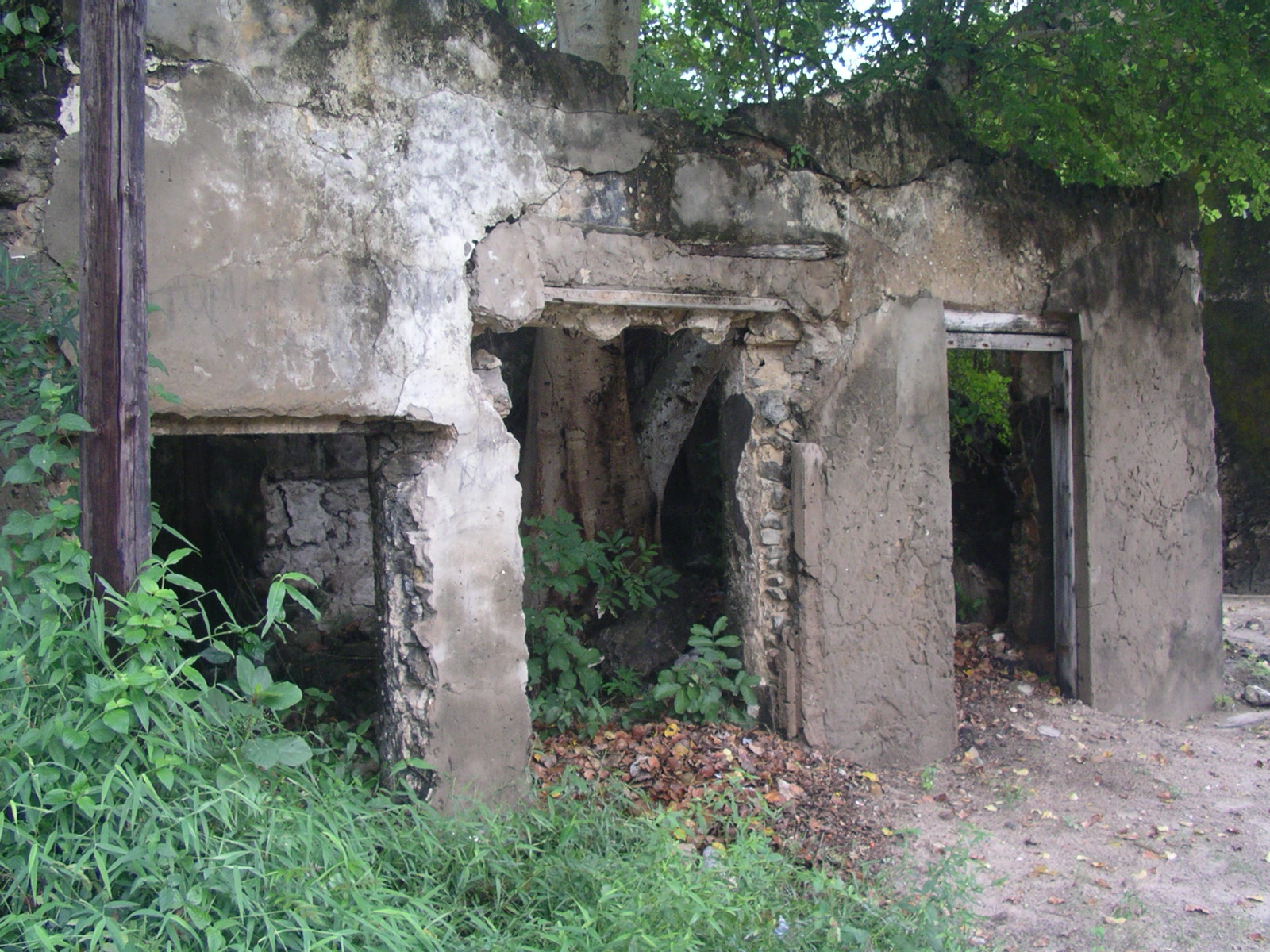
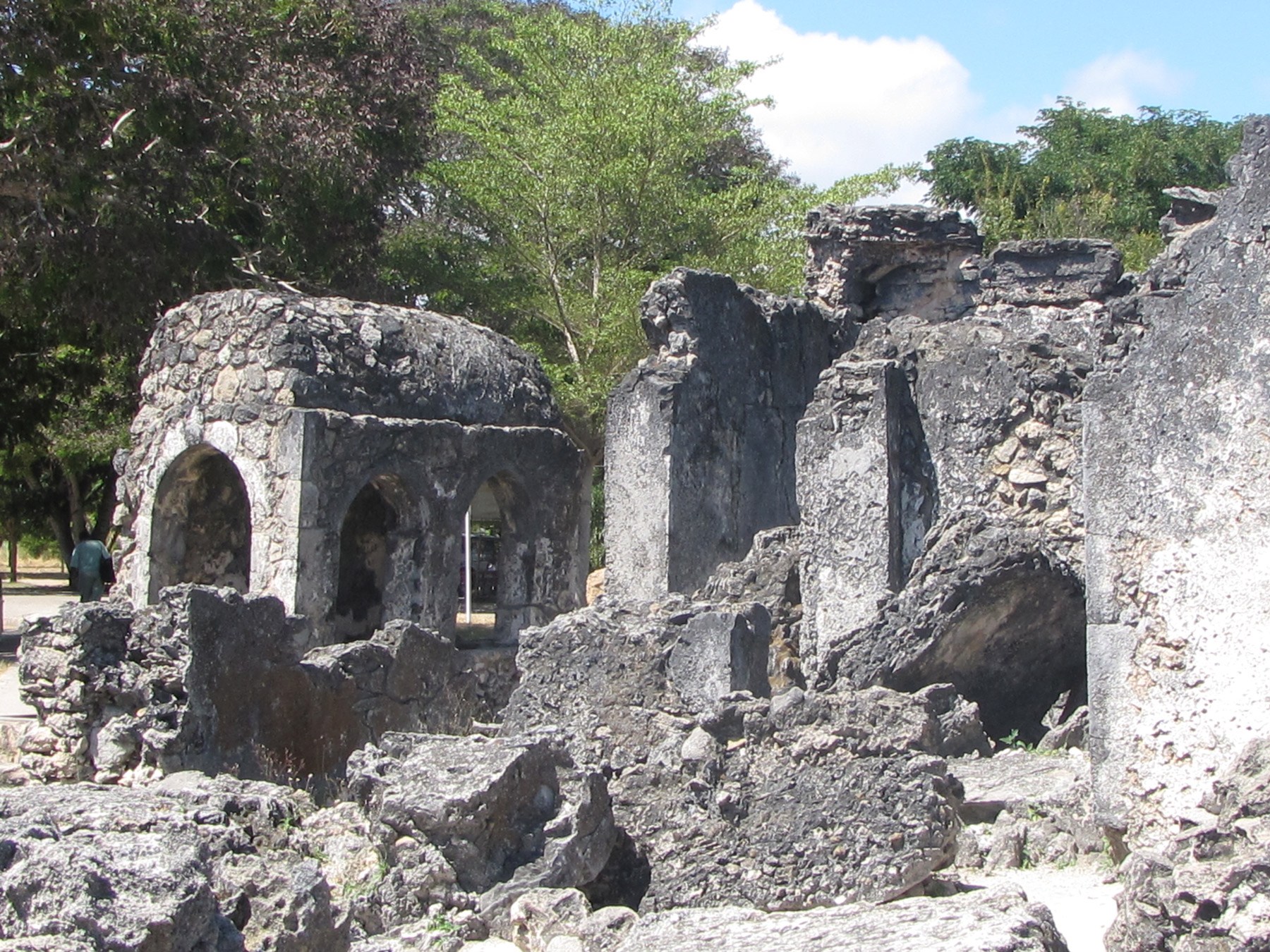
This five-day tour takes you through the art, history and coastal life of Tanzania’s Indian Ocean shore, starting and ending in Dar es Salaam. You begin with a half-day city tour that takes in the Mwenge craft market, where wood carvings, batik cloth paintings and Tinga Tinga paintings are sold by local artists, and the National Museum, which displays a skull of Zinjanthropus found at Olduvai Gorge. You then visit Geza Ulole, a village south of Dar es Salaam with an old mosque, historic graves and the daily life of the Zaramo people. The tour continues north to Bagamoyo, which was the capital of German East Africa in the late 1880s and early 1890s, and which is home to the ruins of Kaole, where two mosques and 30 tombs date from the 13th century. The Catholic mission at Bagamoyo was founded in 1868 and was the first in East Africa, and the town is known for the Chuo cha Sanaa arts college.
Safari Highlights
- We may have to re-route the itinerary or accommodation in similar Lodges/Tented Camps in case of non – availability
- Upgrades are available eg To Luxury Accommodation Safari
- Tour above can be customized based on your needs or requirements
Destinations to Travel
Dar es Salaam · Mwenge craft market · National Museum · Geza Ulole (Mboamaji village) · Bagamoyo · Kaole ruins · Chuo cha Sanaa
Itinerary
Day 1 — Dar es Salaam City Tour
At 8:30 am, or in the early afternoon if you prefer, you are collected from your hotel in Dar es Salaam for a half-day city tour. You visit the Mwenge craft market to see wood carvings, batik cloth paintings, Tinga Tinga paintings and many other works by local artists, and you can buy them if you wish. The tour continues to the National Museum, where you see a skull of Zinjanthropus, discovered at Olduvai Gorge near Ngorongoro. You spend the night in Dar es Salaam on a half-board basis (breakfast and dinner).
Day 2 — Geza Ulole
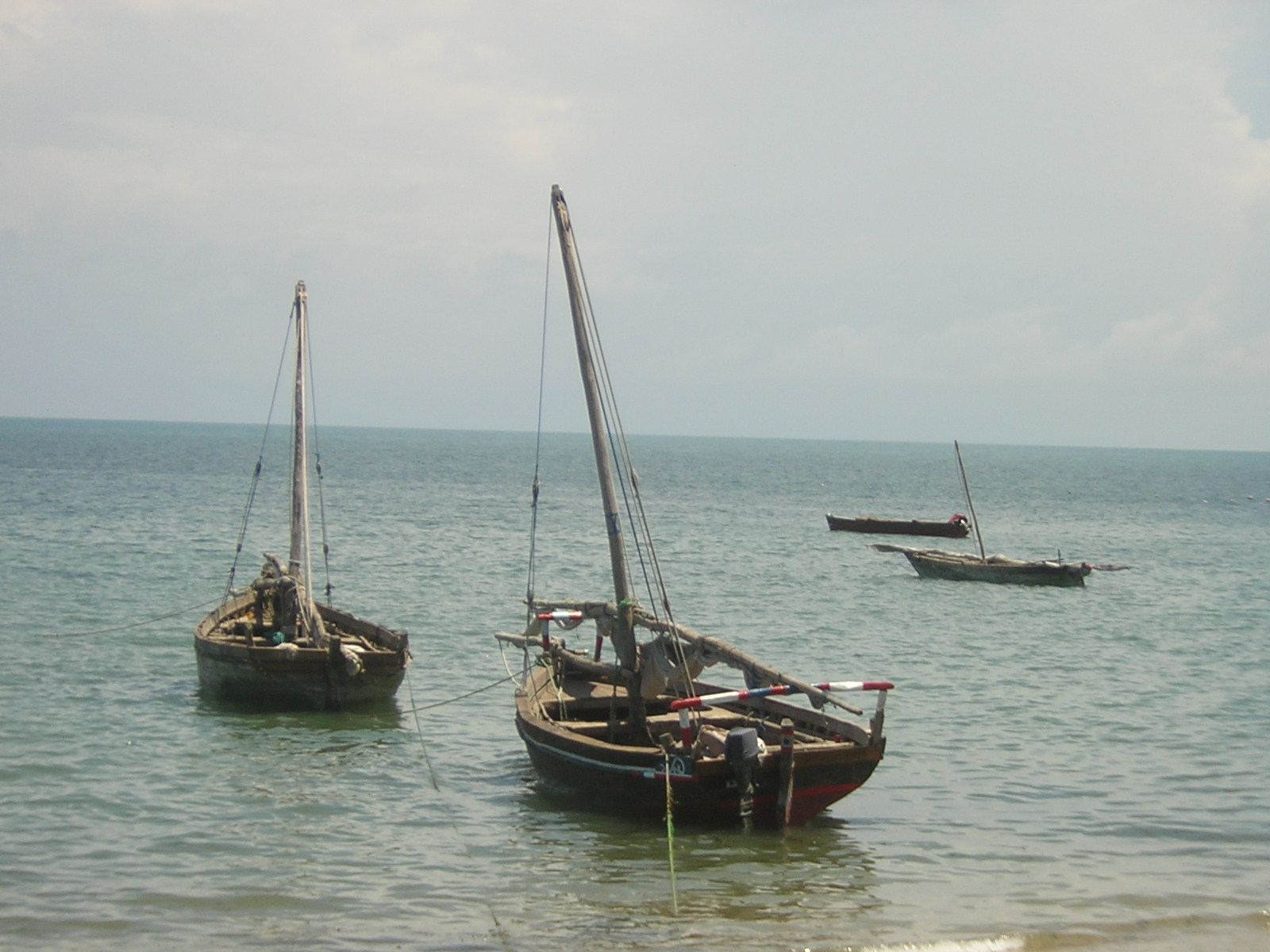
After breakfast you travel about 20 km south of Dar es Salaam to Geza Ulole, at Mboamaji, the original village on the coast. The village has a four-century-old mosque, a site from which enslaved people were once transported, and old Muslim graves. You watch local fishermen at work with their dhows, bringing in seafood. In the afternoon you walk through the village to learn about the lifestyle and culture of the Zaramo people, who originated there. You have dinner and an overnight stay at Kali Mata, a women’s project funded by Dutch initiatives.
Day 3 — Dar es Salaam to Bagamoyo
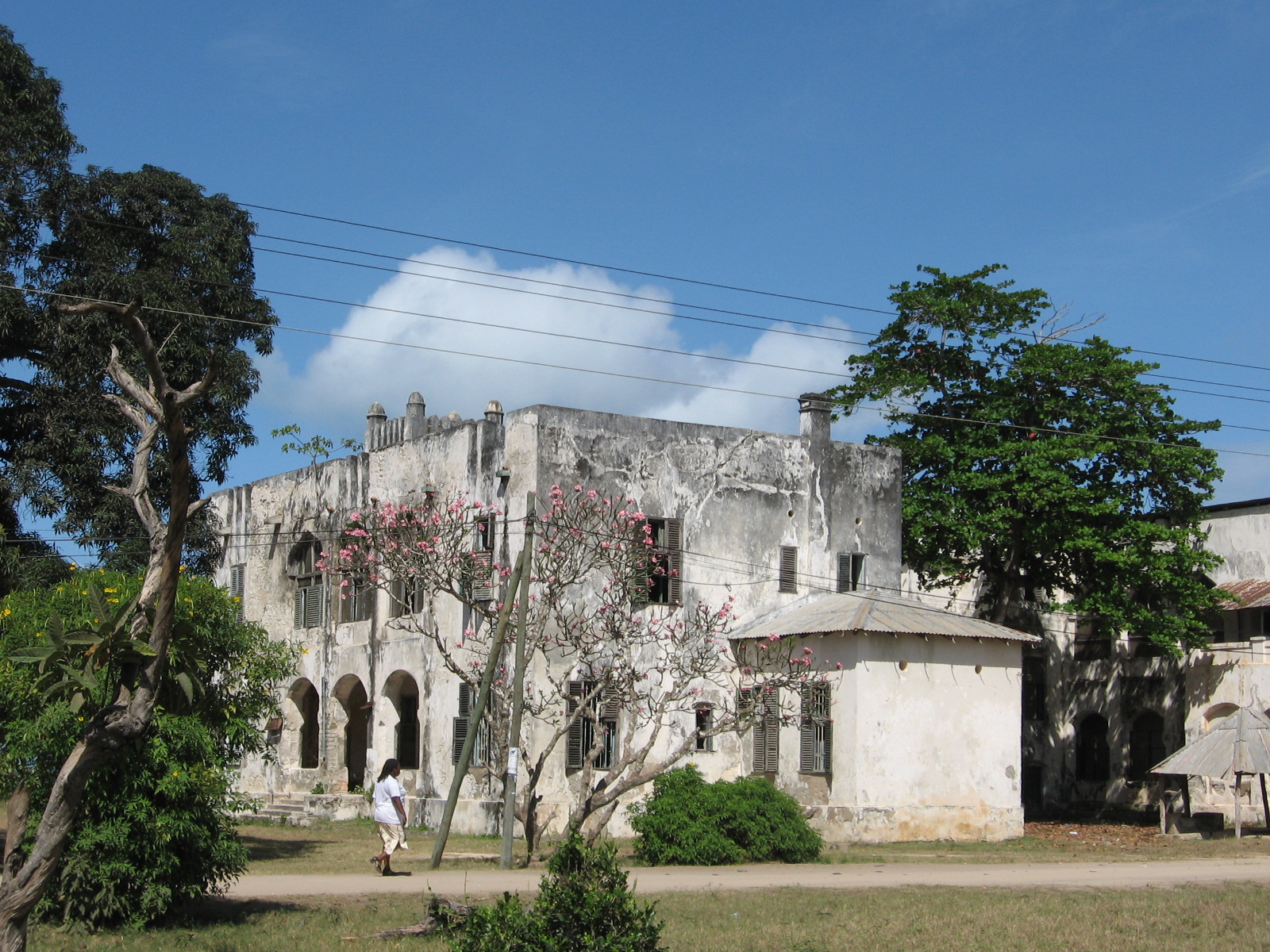
After breakfast you travel through Dar es Salaam to Bagamoyo, a village town about 75 km north of the city. The historic tour includes the old church, the coral museum, the Kaole mosque, the old ferry at the Great Wami River and other sites dating from the 13th century. You also visit the African art college in Bagamoyo. Bagamoyo was a starting point for European explorers, with Stanley and Burton among them, and it was the port where enslaved people were brought from the interior. You then have dinner and an overnight stay in Bagamoyo.
Day 4 — Rest and Relaxation in Bagamoyo
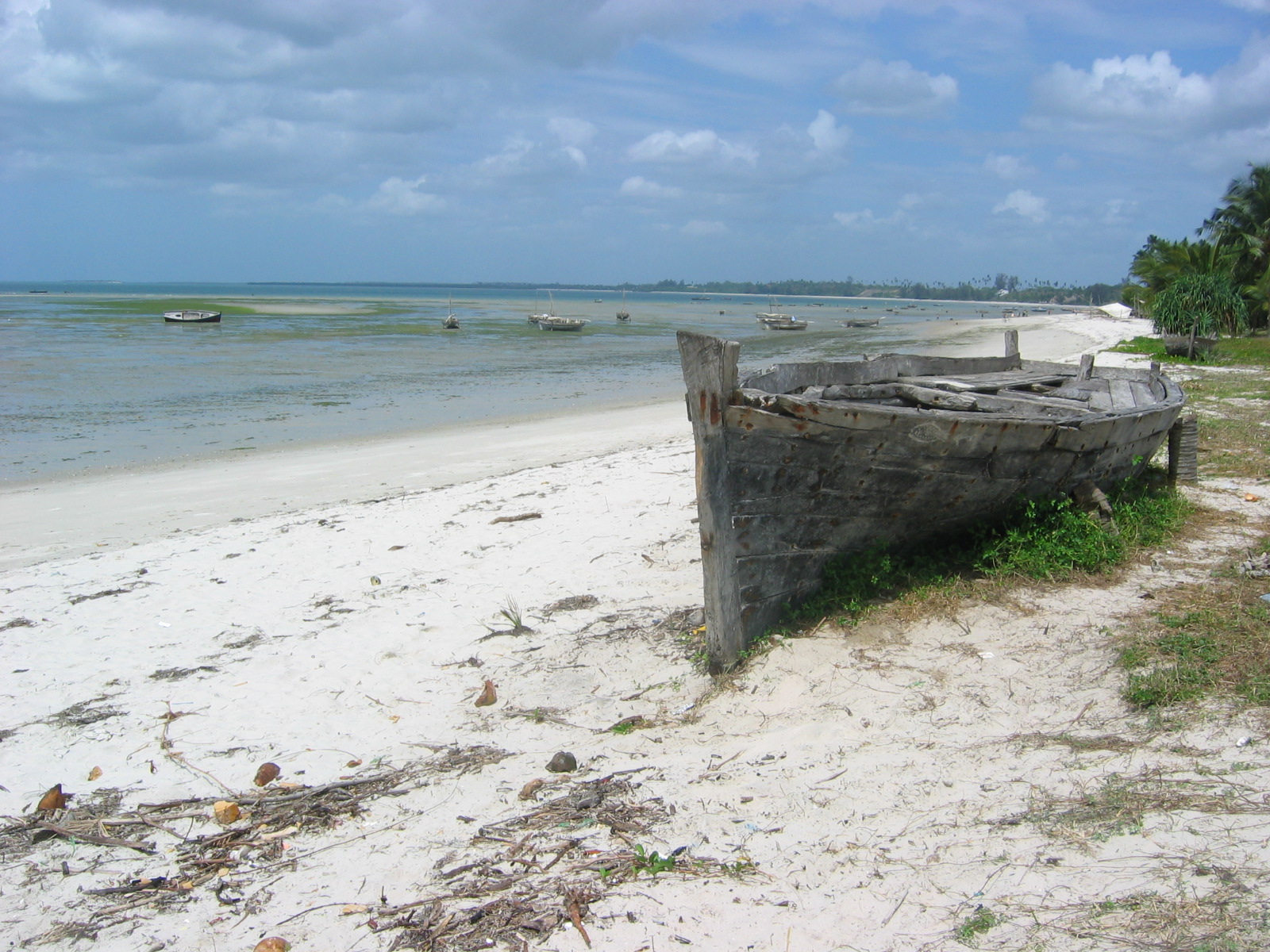
This day is at leisure by the pool and on the soft white sand beach of the coastal resort. Sport can be arranged for those who want it. You have dinner and an overnight stay in Bagamoyo.
Things not to miss in Bagamoyo: The small museum at the Catholic Mission on the edge of town is worth a visit. The Old Church nearby is where Livingstone’s body was kept before it was shipped to Zanzibar on its way to Westminster Abbey, where he was buried. Near the port, boatbuilding takes place, so you can watch workers build a local boat. Almost every afternoon there is an auction at the local fish market, which is an experience to remember. The Chuo cha Sanaa, a well-known arts college, sometimes arranges traditional dance and drumming performances.
Day 5 — Bagamoyo to Dar es Salaam
After breakfast you check out and drive back to Dar es Salaam for your onward travel.
What's Included
Rate Includes
- All entrance fees.
- Half board accommodation on tour
- Service of an English speaking driver guide
- Transport based on an excellent Vehicle/ car
- Driver's Salary and allowances and park fees for vehicle and driver
- Game drives as per the Itinerary
- Complementary bottle of water the first and second day
- Government taxes
Rate Excludes
- Extras at the lodges i.e. drinks, telephone, laundry, Internet etc.
- International flight
- Arrival and departure Airport Transfers
- Departure tax
- Tips to drivers (highly recommended)
- Visa, Travel Insurance
Best Time to Go
No travel period was given for this tour, so the guidance below is based on general seasonality. Dar es Salaam and the coast are hot and humid all year. The drier months from June to October are generally more comfortable for walking through the markets and villages and for beach time, while the long rains from March to May and the short rains in November and December can bring heavy showers and muddy roads. Bagamoyo’s events, including the fish market and the Chuo cha Sanaa performances, do not follow a fixed calendar, so our team can advise on what is on during your dates.
Pricing
Frequently Asked Questions
Where does this tour start and end, and how long does it last?
It starts with a pickup from your hotel in Dar es Salaam at 8:30 am on Day 1 and ends with a drive back to Dar es Salaam on Day 5. It runs for 5 days and 4 nights: one night in Dar es Salaam, one in Geza Ulole and two in Bagamoyo.
Can we buy African art on the tour?
Yes. You can visit the Mwenge craft market and the art college, and buy wood carvings, batik, Tinga Tinga paintings and other works if you wish. Purchases are not included in the rate, and prices are set by the artists and sellers.
Will we see the Zinjanthropus skull?
The National Museum in Dar es Salaam is visited on Day 1, and the skull of Zinjanthropus is shown there. The skull was found at Olduvai Gorge, so please ask our team whether the display is the original or a replica.
Where do we stay in Geza Ulole?
On Day 2 you stay at Kali Mata, a women’s project funded by Dutch initiatives. Our team will confirm your accommodation for that night when you book.
Is there a set time for the fish market or the Chuo cha Sanaa performances?
The fish market auction takes place almost every afternoon, and the Chuo cha Sanaa holds dance and drumming performances from time to time. Neither is guaranteed on your dates, so please ask our team what is on during your visit.
What happens after the tour ends in Dar es Salaam?
You return to Dar es Salaam on Day 5 after breakfast, for your onward travel. Accommodation after Day 5 is not included in the rate.