


Ndutu & Calving Wildebeest Migration Safari - Witness the Great Migration
5 Days / 4 Nights Days
Arusha, Tanzania (hotel pickup and transfer to Arusha Airstrip) → Arusha, Tanzania
Migration
Easy
From
USD $ 3,227
per person
Why Choose This Safari?
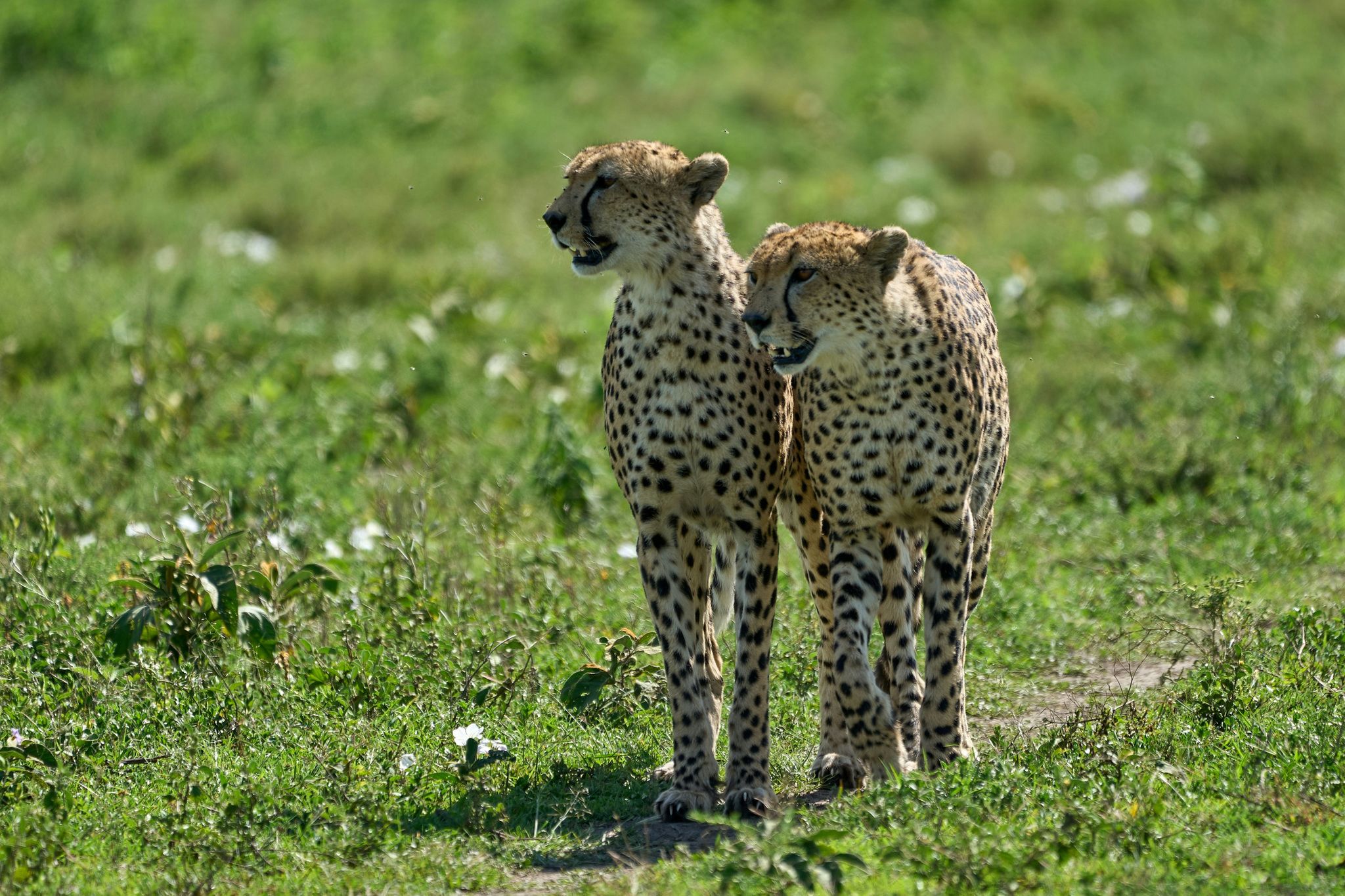
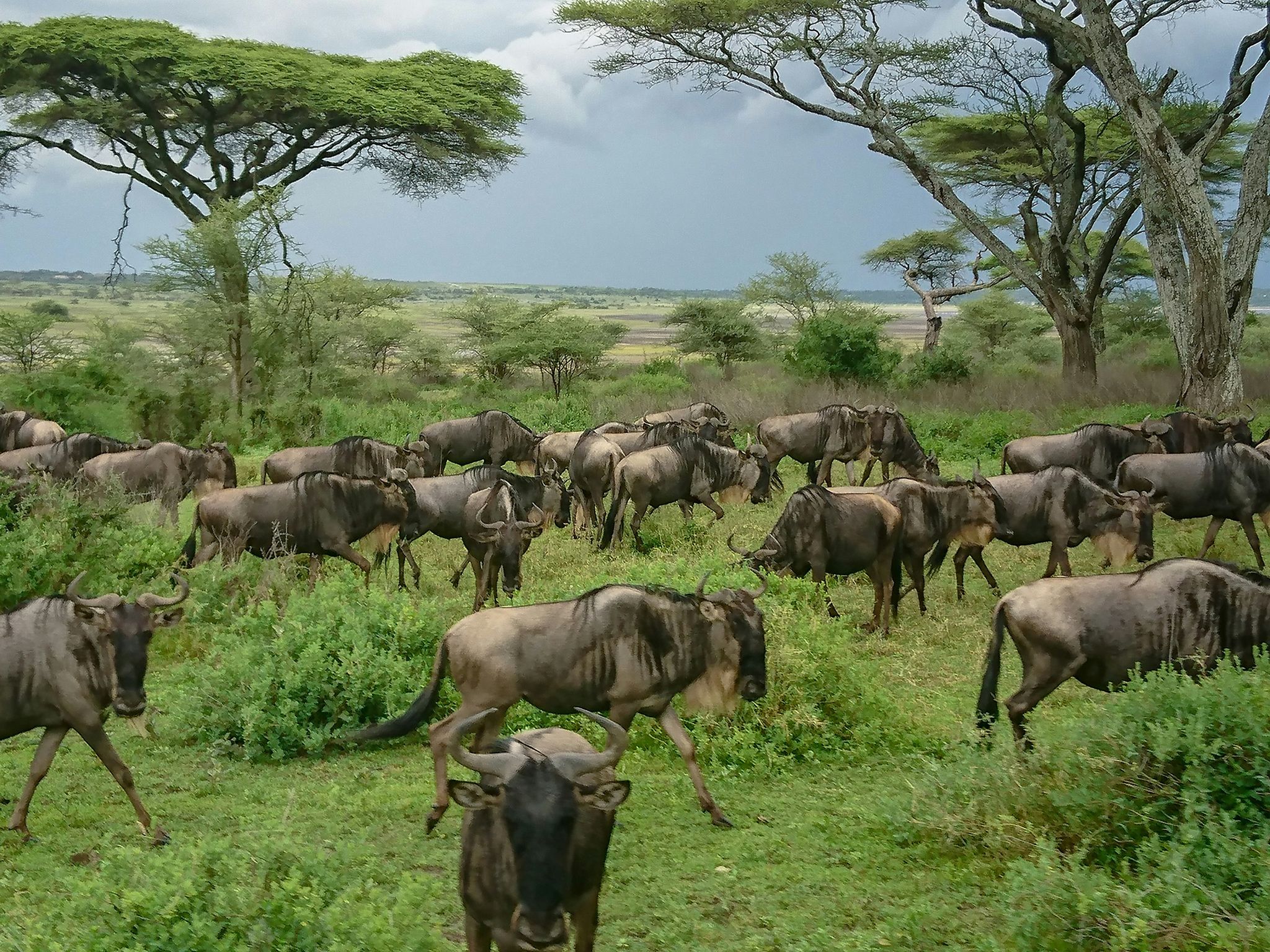
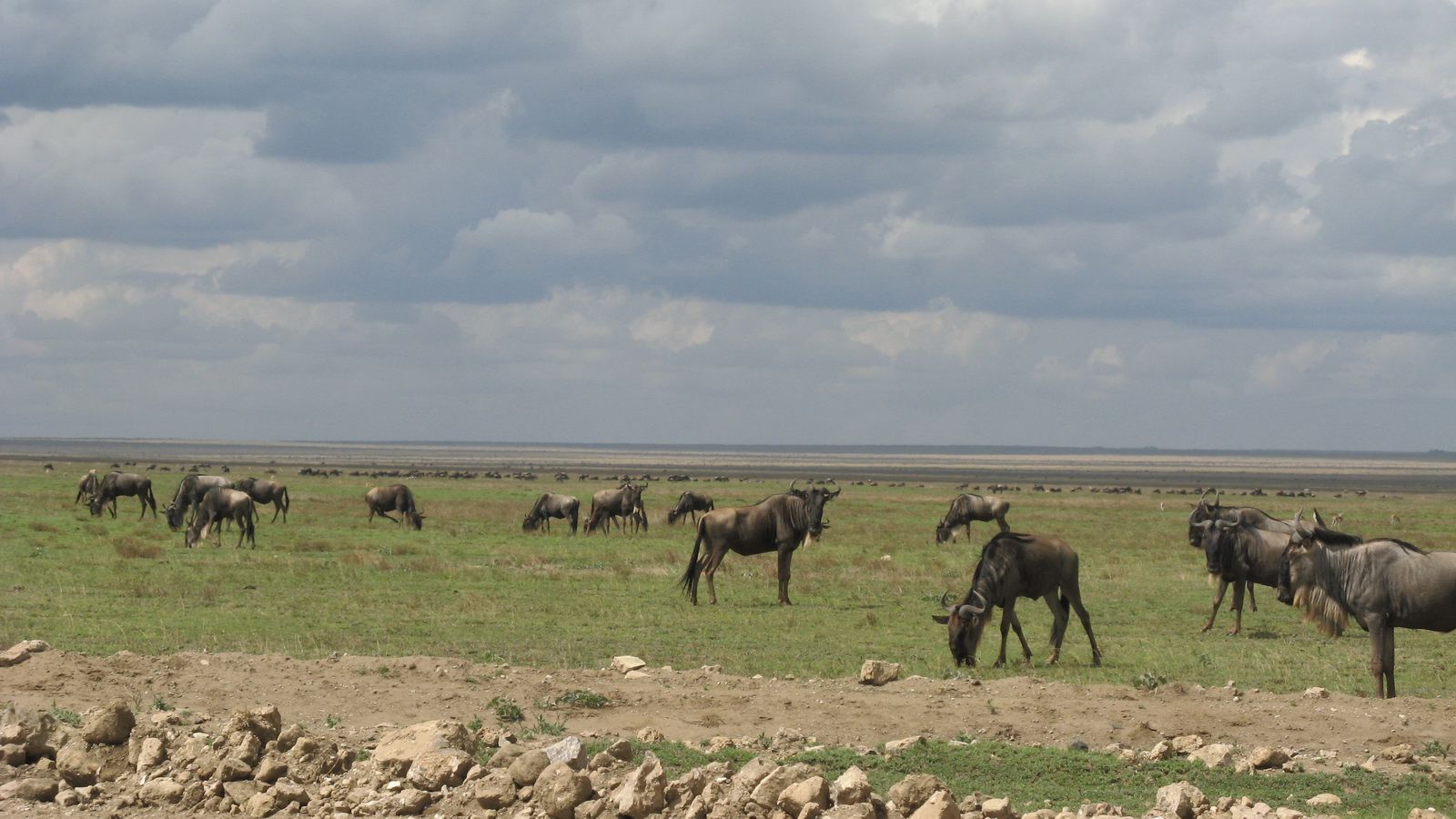
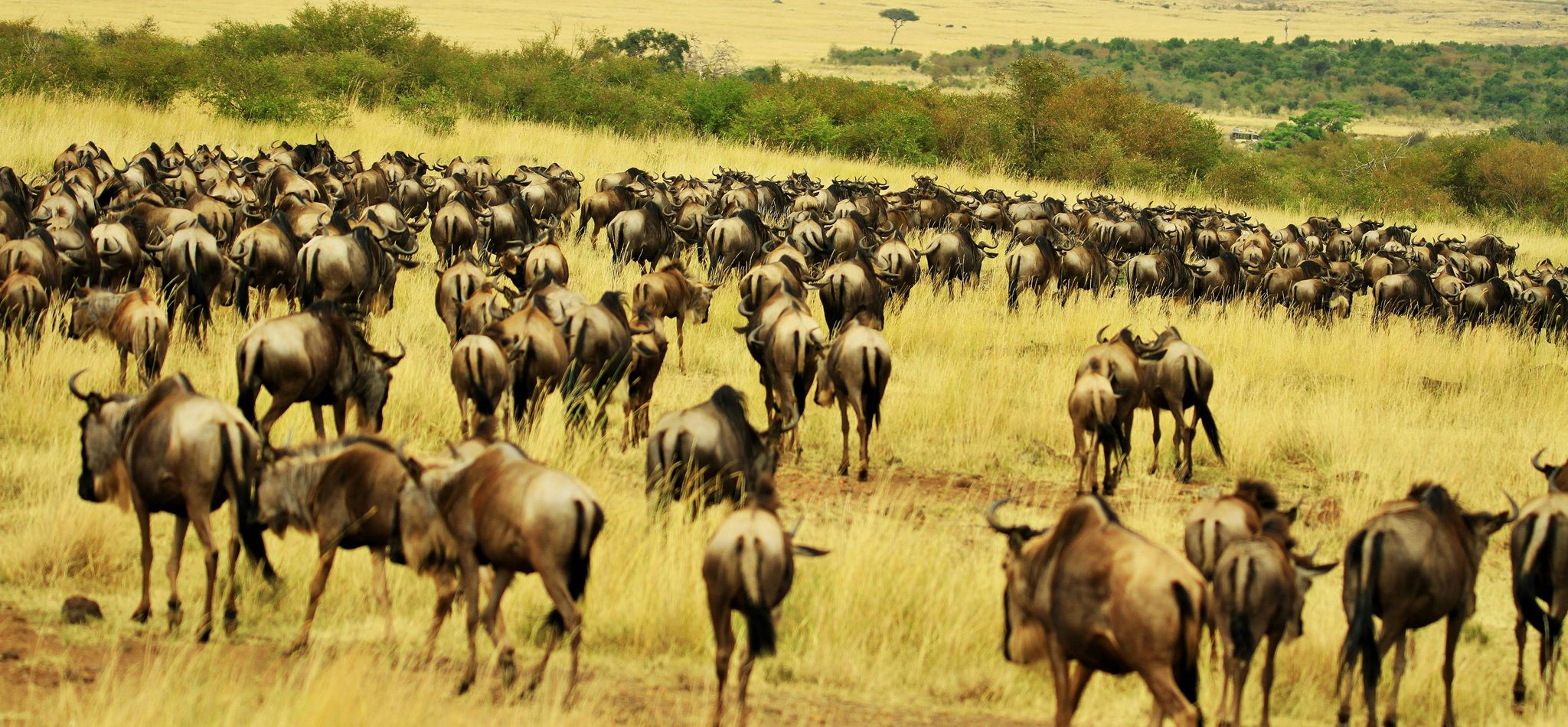
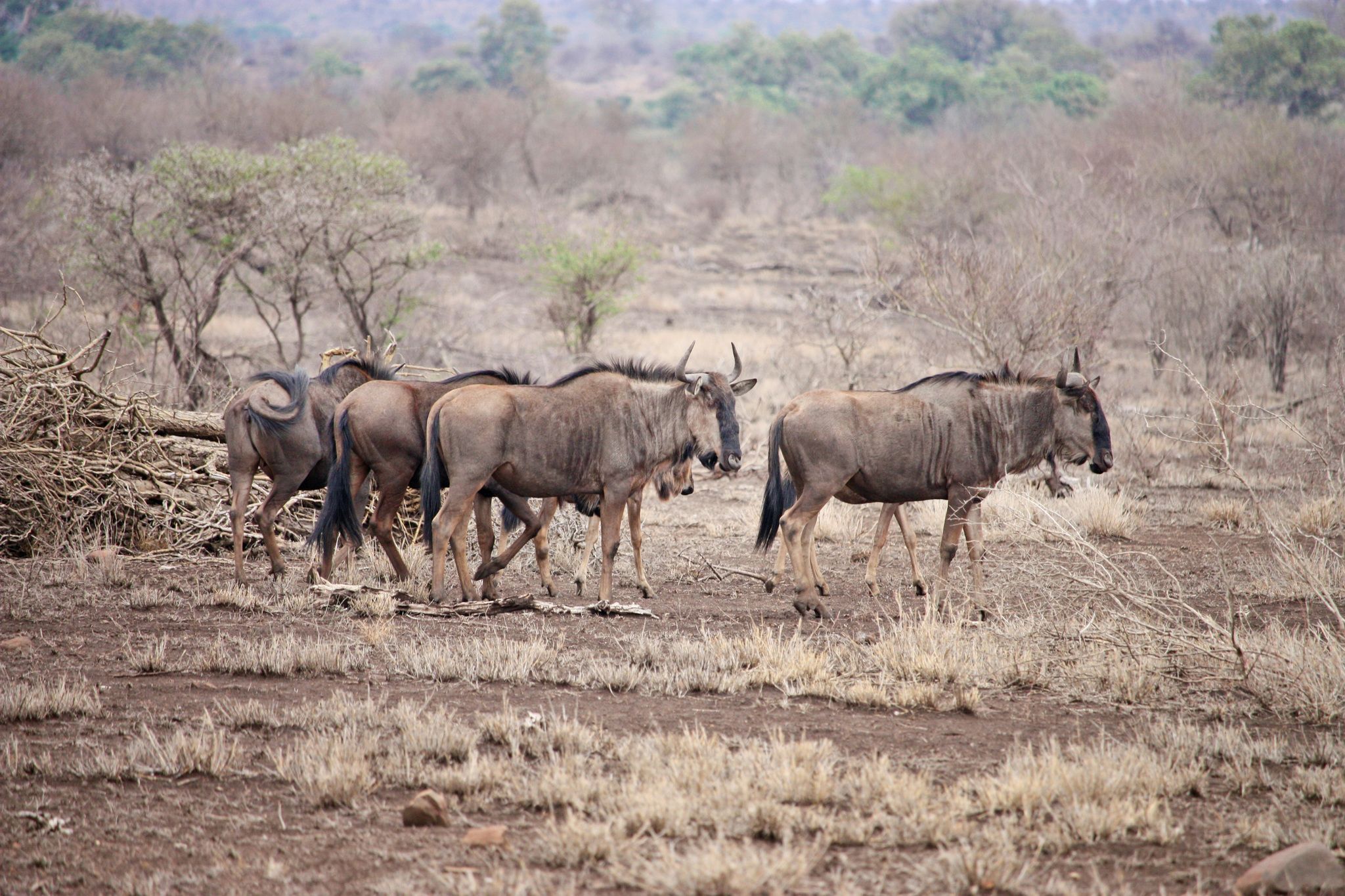
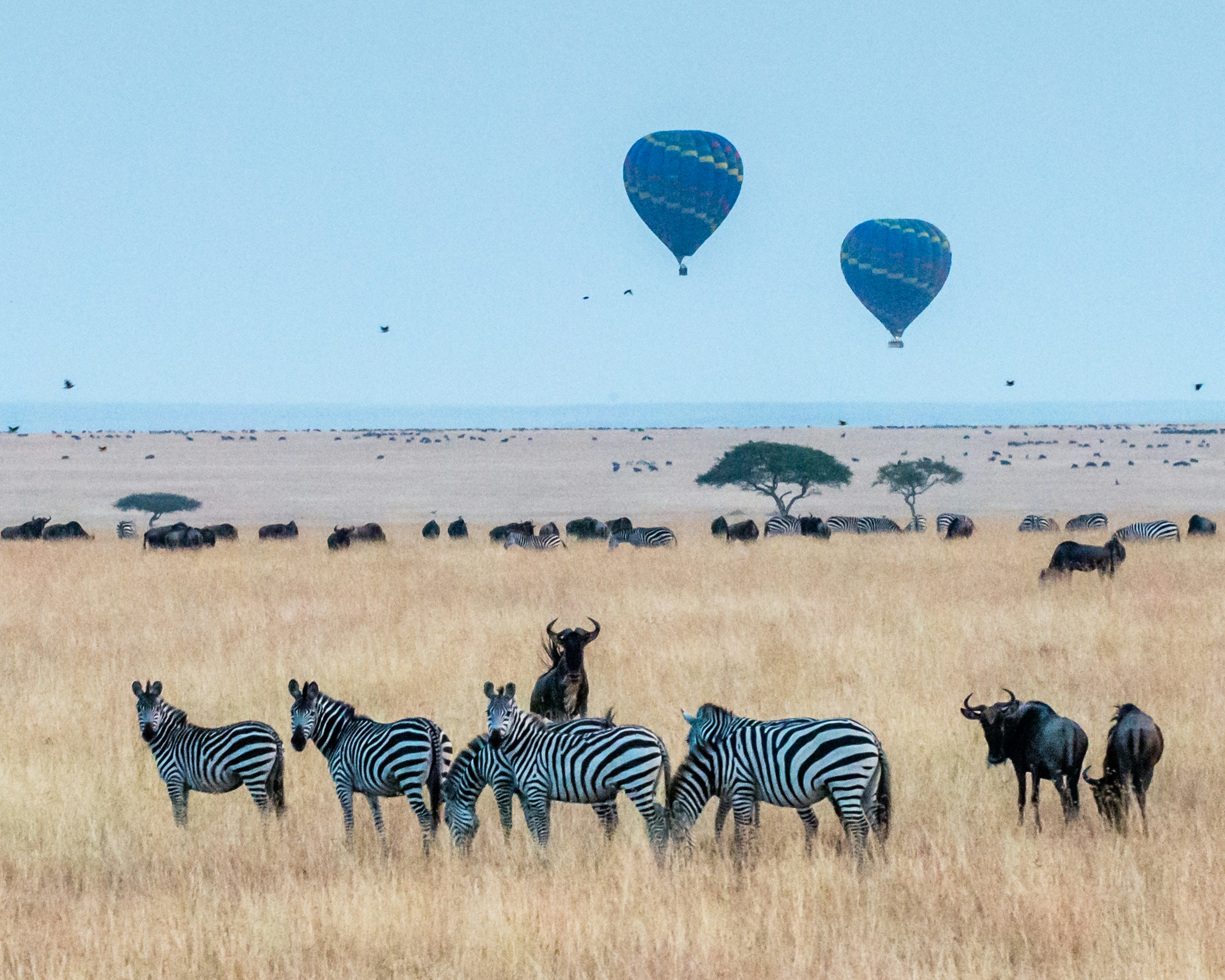
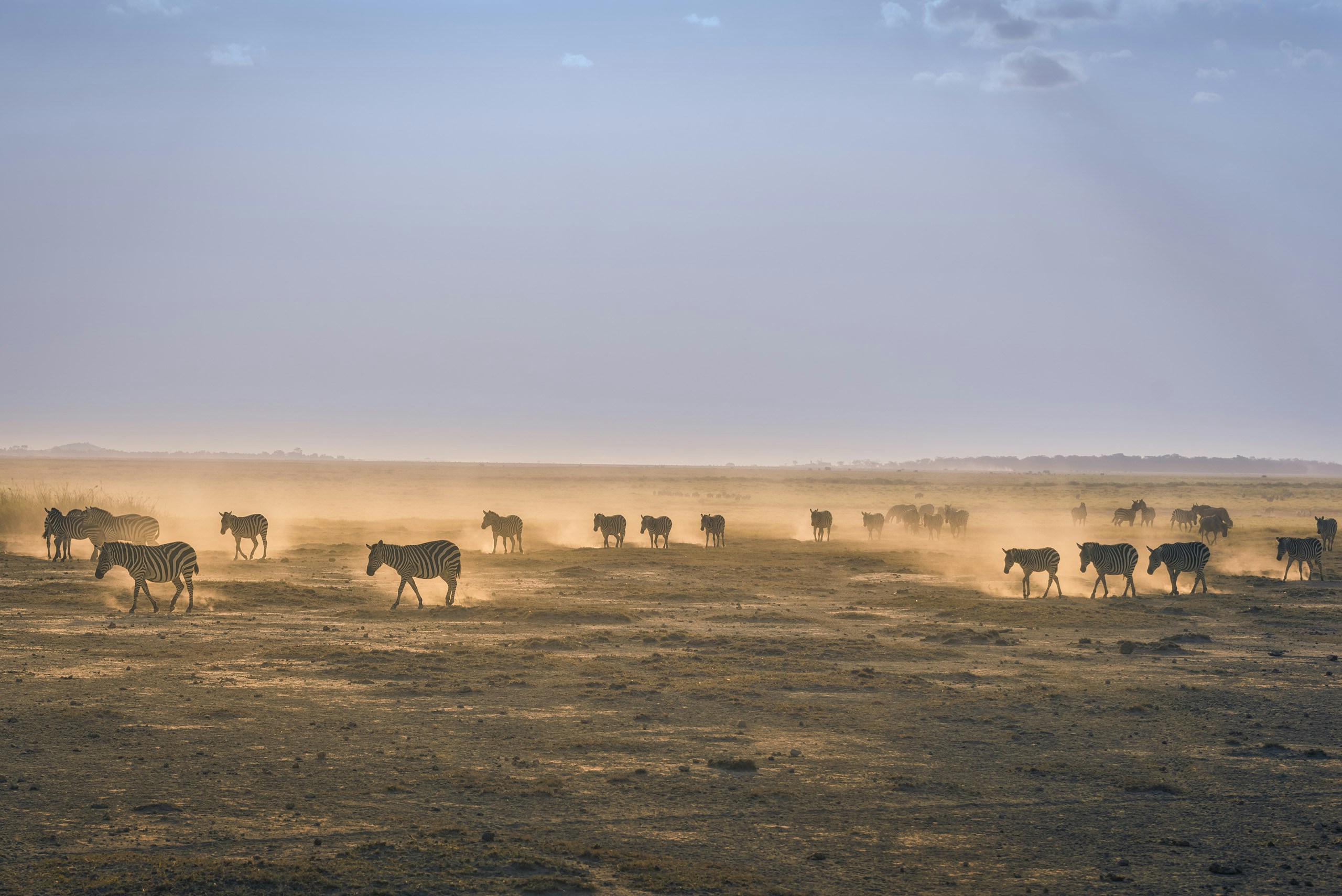
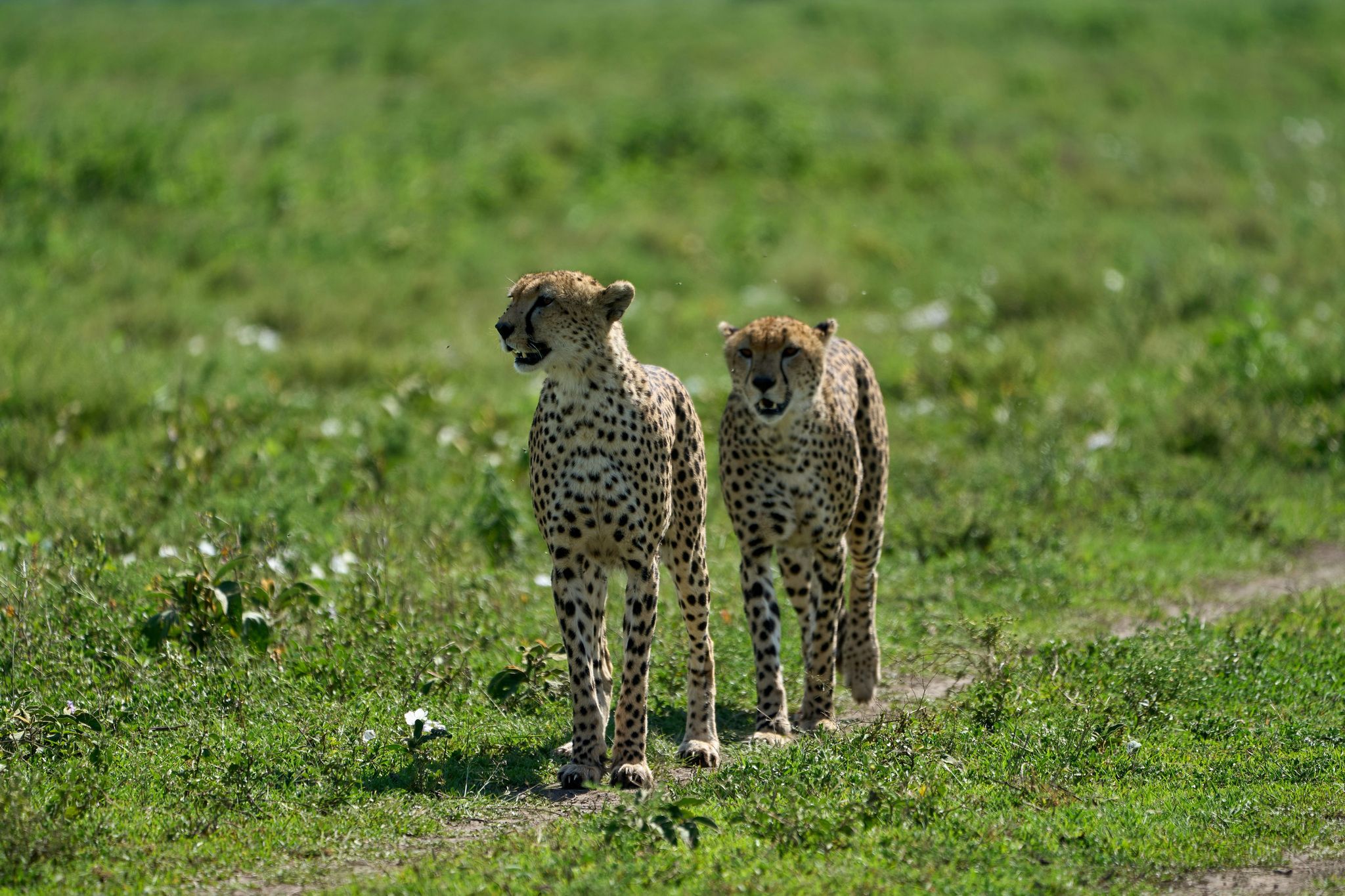
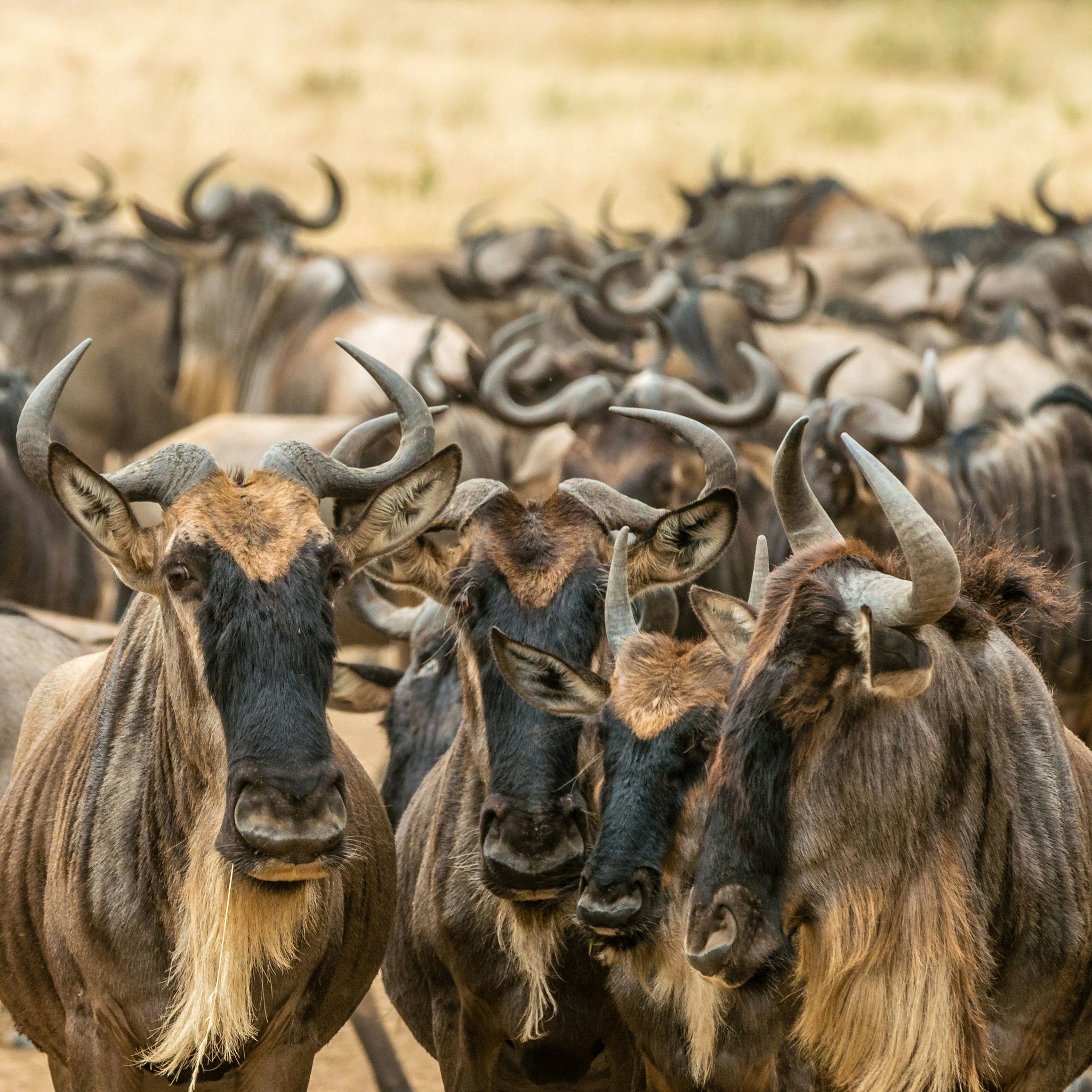
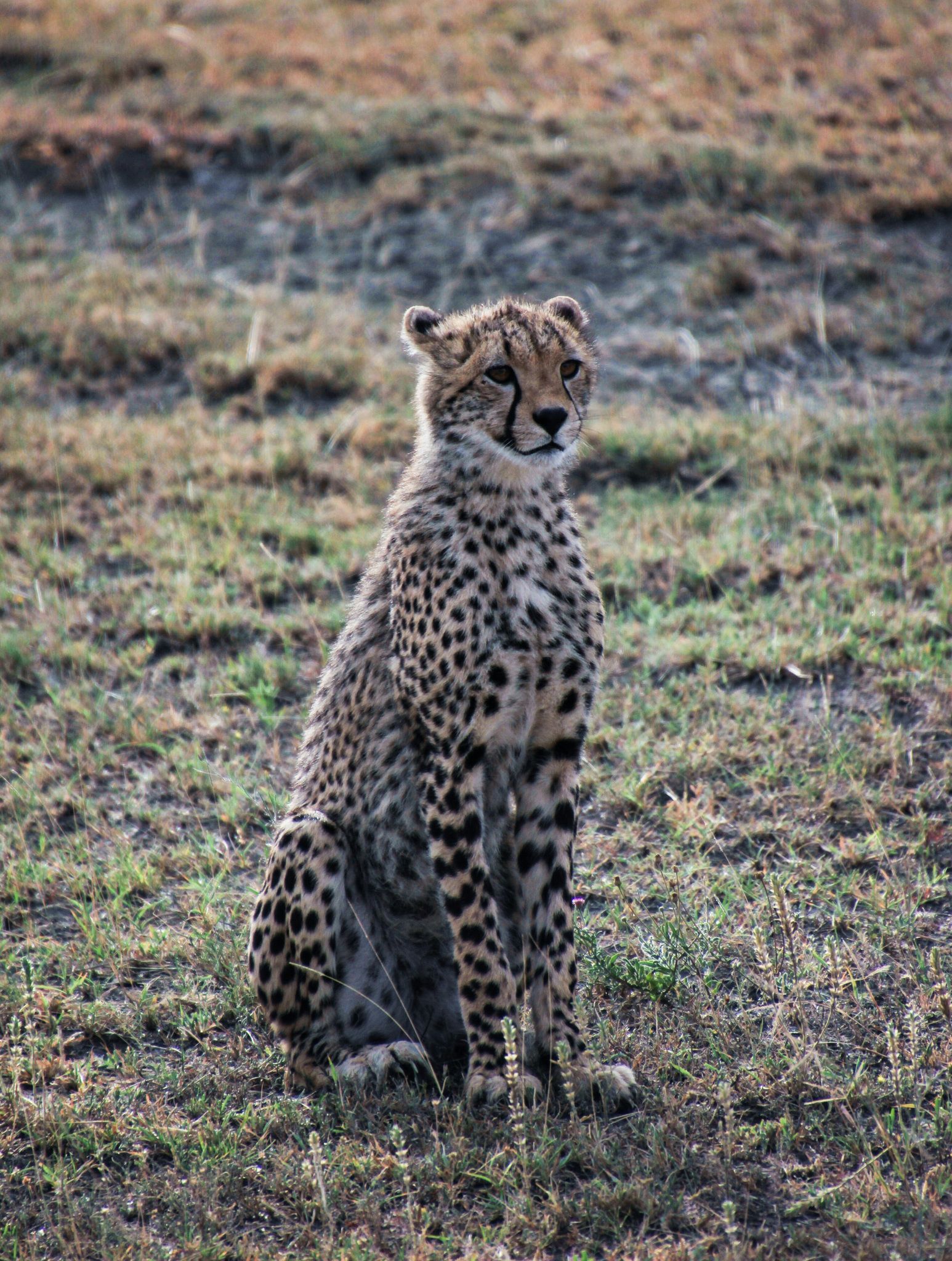
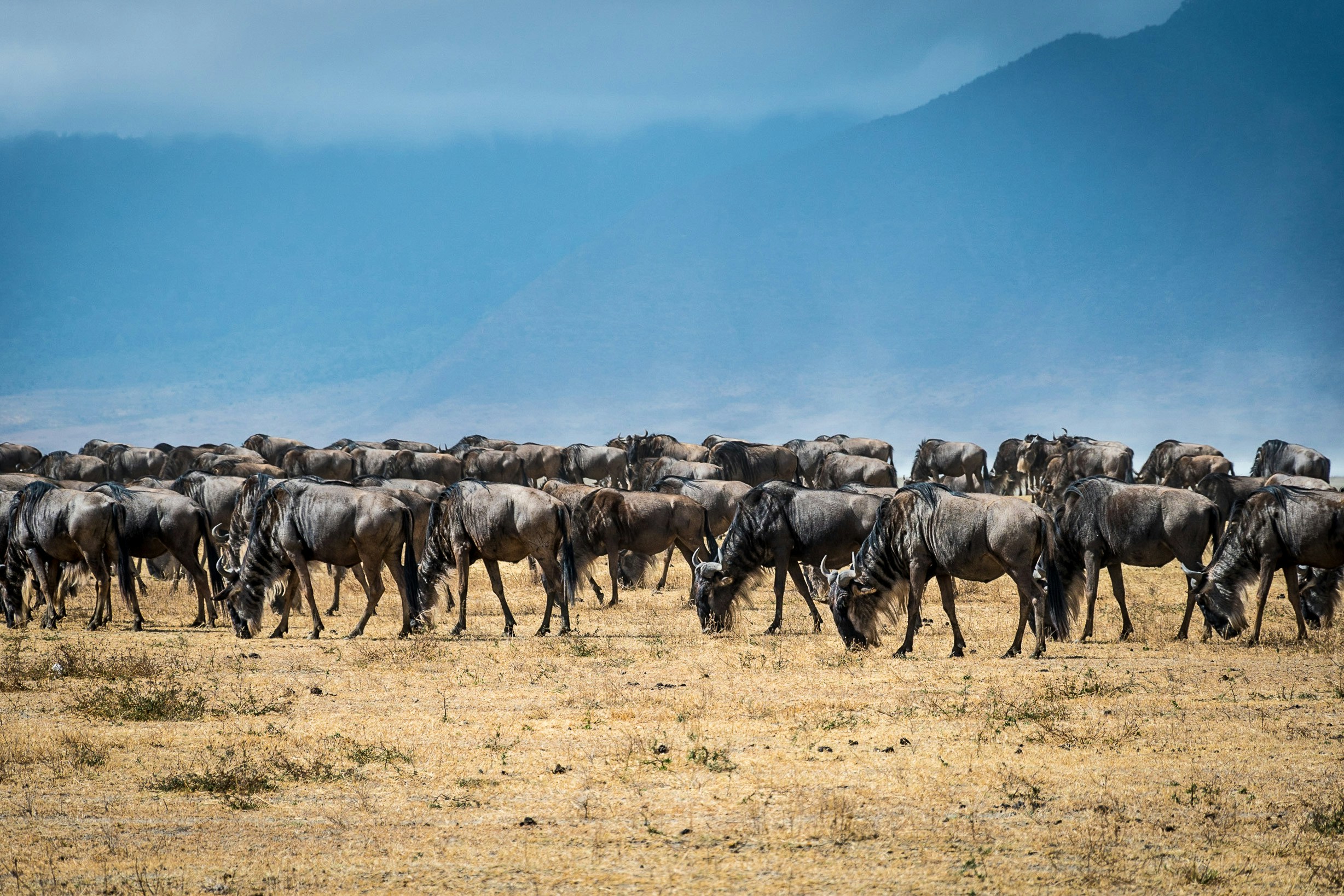
This safari is designed around one thing, giving you the best chance to see the great Serengeti wildebeest migration at its most dramatic. The southern Serengeti and the Ndutu area are among the best places to see thousands of wildebeest spread across the short-grass plains between December and April, with calving season, when around half a million calves are born, between about January and March. Predators follow the herds, so cheetahs, lions, hyenas and leopards are often active, and you may witness a kill. You fly from Arusha straight to Ndutu, avoiding a long road transfer, then spend two nights in the Ndutu area before moving to Seronera in the central Serengeti. The safari ends with a night in the Ngorongoro Conservation Area and a descent into the crater on the final morning. Add an optional hot air balloon safari at extra cost, and you have a short safari that combines the migration, predator action and the world-famous crater.
Safari Highlights
- We may have to re-route the itinerary or accommodation in similar Lodges/TentedCamps in case of non – availability
- Upgrades are available eg To Luxury Accommodation Safari
- Tour above can be customized based on your needs or requirements
Destinations to Travel
Arusha · Ndutu Area (southern Serengeti) · Serengeti National Park (Seronera) · Ngorongoro Conservation Area · Ngorongoro Crater
Itinerary
Day 1 — Arusha to Serengeti South and the Ndutu Area
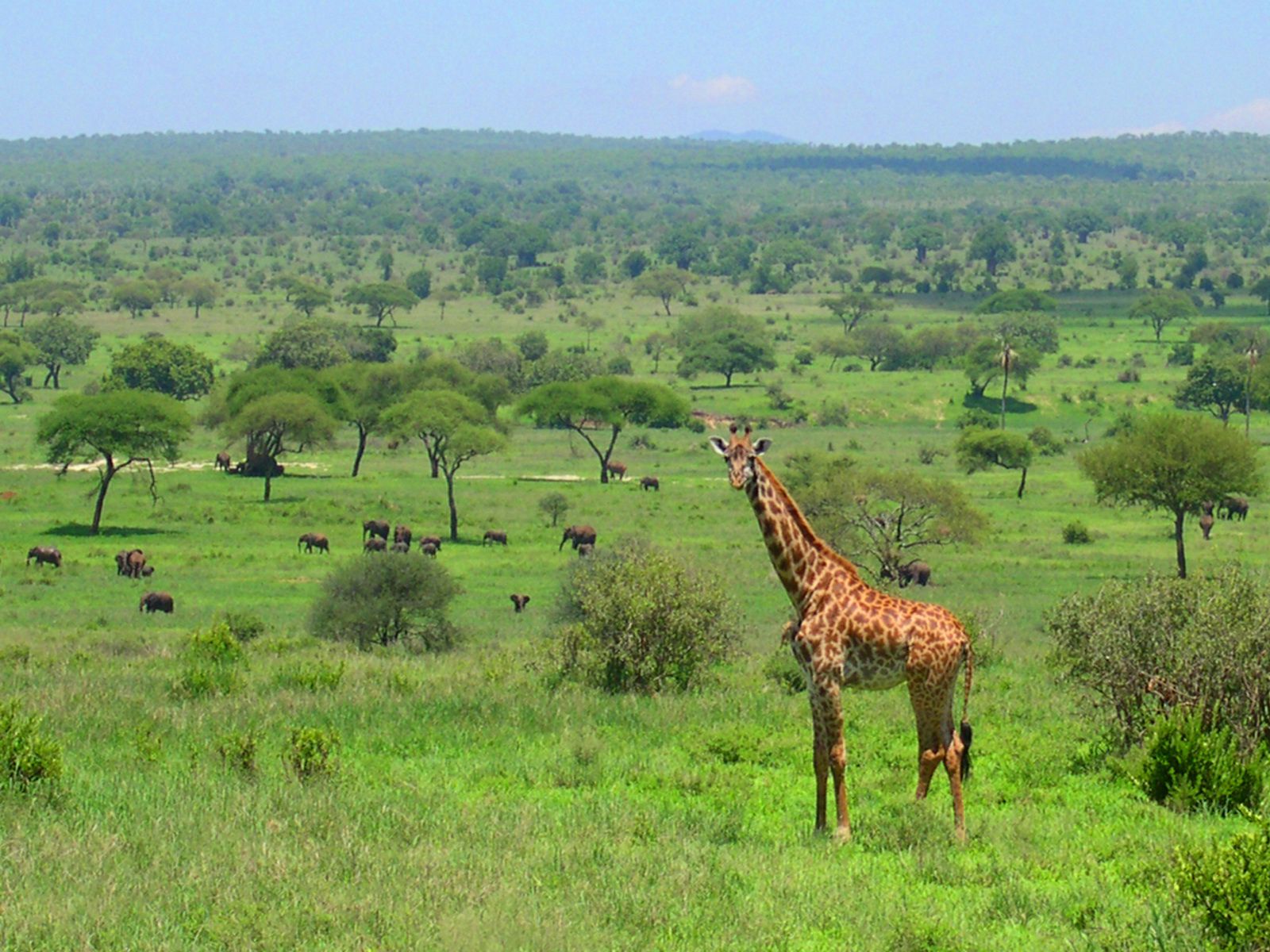
You’re picked up from your hotel in Arusha and taken to Arusha Airstrip for your flight to the Ndutu area. On arrival you meet your tour guide and driver and go straight into a game drive. Lake Ndutu sits in the Ngorongoro Conservation Area and is part of the southern Serengeti ecosystem. It is an alkaline lake, like most of the other Rift Valley lakes, and it is used by a wide array of local wildlife. From December to April the majority of the wildebeest migration can normally be found on the short-grass plains here, and the area is usually well populated with elephants, birds and resident game. Dinner and overnight at your camp in the Ndutu area.
Day 2 — Ndutu Area
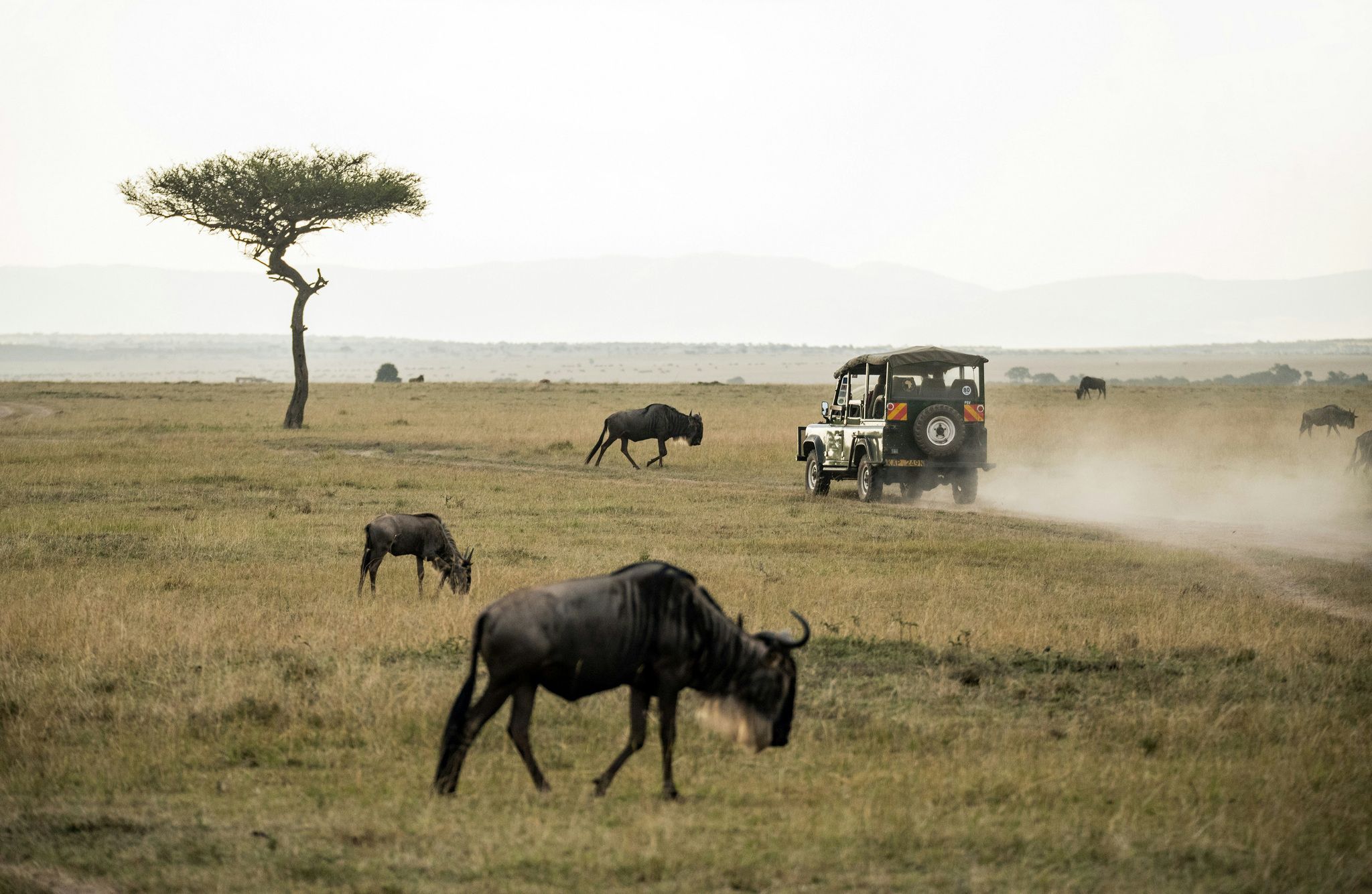
After breakfast you start with a game drive in the Ndutu area, return to camp for lunch, and then continue with an afternoon game drive, tracking the great migration trails. Your guide gives a thorough explanation of this great world event, which Tanzania is proud of, as you watch the herds and the predators that follow them. The Serengeti is a UNESCO World Heritage Site and is famed for its annual migration, a spectacle that is hard to match as the sun goes down over the plains. Dinner and overnight at your camp in the Ndutu area.
Day 3 — Ndutu to Serengeti Seronera
You can start with an optional hot air balloon safari early in the morning, at extra cost, and then return to camp for breakfast. Afterwards you depart for Seronera, with a game drive en route. The Serengeti is well known for its healthy stock of resident wildlife, including the Big Five, so named for the five most prized trophies taken by hunters. The park is believed to hold the largest lion population in Africa, thanks in part to the abundance of prey, with more than 3,000 lions in the wider ecosystem. Leopards are reclusive but are often seen around Seronera. Dinner and overnight at your camp in Seronera.
Day 4 — Serengeti to the Ngorongoro Conservation Area
After breakfast you continue the game drive in the Seronera area, and in the afternoon you proceed to the Ngorongoro Conservation Area. The great migration is one of nature’s most extraordinary cycles, with about 1.5 million wildebeest following the rains through the Serengeti-Mara ecosystem and a calving season that sees around half a million calves born between January and March. Dinner and overnight at your lodge in the Ngorongoro Conservation Area.
Day 5 — Ngorongoro Crater to Arusha
After breakfast you leave in the morning and descend into the Ngorongoro Crater for a game drive on the crater floor, then drive back to Arusha for your onward arrangements. Accommodation and airport transfers after the safari are at your own expense, but we can arrange them on request.
What's Included
Rate Includes
- International flights to/from your home
- Tips & gratitude’s
- The first night on your arrival and last night after safari (book with us)
- Airport transfers (book with us)
- Personal insurance
- Sleeping bag (if Camping)
- Olduvai Gorge fees
- Alcoholic drinks
- Serengeti Balloon (can book with us)
- Easter, Christmas & New Year’s supplements may apply
Rate Excludes
- Transport on 4WD vehicle with the pop-up roof, which enable you to spot wildlife easier
- Three meals a day on Safari
- Park entrance fees
- Driver’s allowances
- Service of an English speaking professional guide/Driver
- Camping fees, Mattresses (If Camping)
- Lodge fee
- Crater fees
- Food, cook and all kitchen utensils (If Camping)
- Mineral water 1.5lt per person per day
- Activities as per itinerary above
Best Time to Go
The southern Serengeti and the Ndutu area are best for seeing thousands of wildebeest on the short-grass plains from December to April, and calving season, when around half a million calves are born, is from about January to March. Predator action is at its peak during these months, with lions, cheetahs and hyenas following the herds. Outside these months the herds move on, so this safari works best within this window. The green months bring lush landscapes and young animals, though roads can be muddier, and the Ngorongoro Crater can be visited all year. For the best chance of calving and predator action, aim for late January to March. You can find more on the Tanzania National Parks Authority and Ngorongoro Conservation Area Authority sites.
Pricing
From USD $ 3,227 per person
Frequently Asked Questions
Where does this safari start and end, and how long does it take?
It starts with a hotel pickup in Arusha and a flight from Arusha Airstrip to the Ndutu area, and ends back in Arusha on Day 5. It runs for 5 days and 4 nights, so it fits the migration, Seronera and the Ngorongoro Crater into a single trip.
When is the best time to see the calving season?
The majority of the wildebeest migration is normally found on the short-grass plains of the southern Serengeti and Ndutu from December to April, and calving season is from about January to March, when around half a million calves are born. Predator action peaks during this time, so it’s the busiest period for sightings.
Will we see predators hunting?
Cheetahs, lions, hyenas and leopards follow the herds, so there’s a good chance of predator action and sometimes kills. Wildlife sightings can’t be guaranteed on any given day, but timing your trip within the calving months gives you the best chance. You can read more on the Serengeti National Park page.
Can we do a hot air balloon safari?
Yes. An optional hot air balloon safari is available early in the morning on Day 3, at extra cost, and you then return to camp for breakfast. Tell our team if you’d like it and we’ll confirm the cost and location.
Why does the safari start with a flight?
Flying from Arusha Airstrip to the Ndutu area saves a long drive and gets you into the southern Serengeti for a game drive on the afternoon of Day 1. The rest of the safari, including the return from the Ngorongoro Crater to Arusha, is by road.
What happens after the safari ends in Arusha?
You’re driven back to Arusha on Day 5 for your onward arrangements. Accommodation and airport transfers afterwards are at your own expense, but we can arrange them on request.