

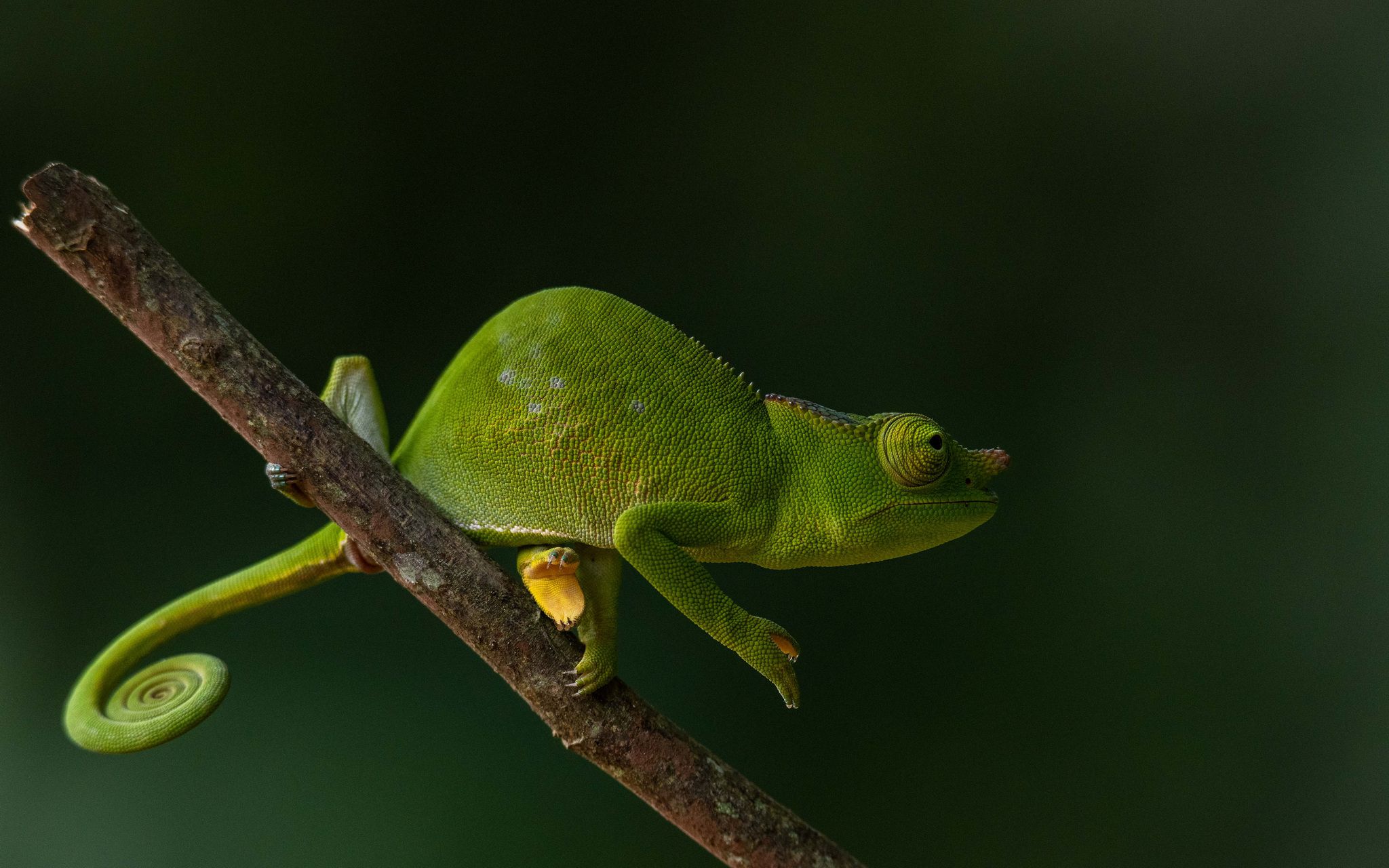
6-Day Usambara Herpetology Adventure
6 Days / 5 Nights Days
Arusha, Tanzani → Arusha, Tanzania (optional onward connection to Dar es Salaam or Zanzibar)
Wildlife
Easy
From
USD $ 715
per person
Why Choose This Safari?
This isn't a Big Five itinerary—it's built for people who'd rather spend an evening with a spotlight watching a three-horned chameleon change color on a wet leaf in Amani than tick a lion off a list. The route covers three distinct Usambara ecosystems in one trip: Magamba's high moss forest above 1,650 meters, the near-untouched rainforest at Mazumbai, and Amani's wetter, denser East Usambara habitat with its 9 chameleon and 34 amphibian species—so you're not just repeating the same forest for six days. It suits herpetologists, wildlife photographers, and serious naturalists who want expert local guides, real night-herping time, and species most safari-goers never hear of, let alone see.
Destinations to Travel
Lushoto & the West Usambara Mountains · Magamba Nature Reserve · Mazumbai Forest Reserve · Amani Nature Reserve (East Usambaras) · Muheza
Itinerary
Day 1 — Arusha to the West Usambara Mountains (Magamba Forest)
An early pickup from your Arusha hotel starts a scenic 310 km public bus journey across the Maasai Steppe, with the Pare Mountains rising in the distance—six to seven hours, so it's a travel day more than a wildlife day. You arrive in Lushoto for a hot lunch before transferring up to your mountain lodge, and once you've settled in, an afternoon guided forest walk in Magamba Nature Reserve gets things properly started, focused on the reserve's high-elevation microhabitats—the West Usambara Two-horned Chameleon, the Spiny Pygmy Chameleon, tree frogs, leaf-litter geckos, and forest skinks are all on the target list. The evening closes with a discussion on habitat specialization and the fragmentation threats facing this forest.
Day 2 — Full Immersion in Magamba Nature Reserve
A full day in the cool, moss-laden montane forest between 1,650 and 2,300 meters, with morning and afternoon walks built around slow, methodical searches rather than covering ground quickly—this is leaf-litter and camouflage territory, so patience matters more than distance. You're looking for skinks, ground geckos, arboreal frogs, and forest chameleons, and the evening wraps up with informal species discussions and a photo review with your guides.
Day 3 — Mazumbai Forest Reserve: Pristine Rainforest Jewel
After breakfast, a private vehicle takes you to Mazumbai Forest Reserve, about 45 km and two to three hours away—remote, exceptionally well-preserved, and one of the genuine highlights of this trip for anyone serious about herpetology. Guided hikes target mid-elevation species, including the endemic Mazumbai Warty Frog, chorus frogs, canopy chameleons, and leaf-litter reptiles, and a night walk afterward raises your odds of nocturnal frogs and roosting chameleons.
Day 4 — Crossing to Amani Nature Reserve, East Usambaras
You cross the Usambara divide—130 to 150 km, three to four hours—through tea plantations and into the noticeably wetter East Usambara Mountains, with a picnic lunch along the way. Afternoon exploration begins in Amani Nature Reserve itself, a global biodiversity hotspot with 9 chameleon species, 26 snake species, and 34 amphibian species recorded, and the evening's spotlight walk focuses on nocturnal chameleons and the frogs found along Amani's streams.
Day 5 — Deep in Amani: Day & Night Herping
A full immersion day in Amani's riverine and submontane forest, with daytime searches turning up species like the Giant East Usambara Blade-horned Chameleon, monitor lizards and forest snakes. After dinner, the night walks intensify — this is prime ground for Three-horned Chameleons in real density, brightly colored tree frogs, and a genuine possibility of the Usambara Bush Viper. If there's time and interest, a visit to the historic Amani Botanical Gardens is available.
Day 6 — Final Morning and Return to Arusha
An optional early forest walk gives you one last shot at anything you've missed before breakfast and check-out. From there, a private vehicle takes you to Muheza, and you continue by public bus back to Arusha—seven to eight hours—or connect onward to Dar es Salaam or Zanzibar if that's where your trip is headed next.
What's Included
Rate Includes
- All ground transfers (public buses + private vehicle where required)
- Full-board accommodation (except breakfast Day 1 & meals Day 6)
- Expert English-speaking herpetologist guides
- All park & reserve entrance fees
- Guided day & night forest walks
- Bottled drinking water
Rate Excludes
- International flights
- Airport transfers (can be arranged)
- First & last night accommodation (can be booked with us)
- Personal insurance & Flying Doctor cover (on request)
- Alcoholic drinks
- Tips & personal expenses
Best Time to Go
Herping trips like this one actually favor the wetter months — frogs are most vocal and visible just after rain, roughly November through May, when the forest floor and streams are at their most active. The trade-off is underfoot conditions: trails in Magamba, Mazumbai and Amani get muddy and the night walks slower going, so if you'd rather have easier hiking and accept quieter forests, June through October is the more comfortable choice.
Pricing
From USD $ 715 per person
| Option | Price | Pax |
|---|---|---|
| Standard Accommodation Safari | US$ $ 650 per person sharing | Minimum 2 Pax |
Frequently Asked Questions
Can I do a 6-day herpetology expedition from Arusha to the Usambara Mountains?
Yes — this itinerary starts and ends in Arusha, covering the West Usambara's Magamba and Mazumbai reserves before crossing to Amani Nature Reserve in the East Usambaras.
Do I need herpetology experience to join this trip?
No prior experience is required, but it's designed for people with a genuine interest in reptiles and amphibians — the pace is slow and search-focused rather than a standard game-drive safari, which suits photographers and naturalists more than casual wild
How do I get between Arusha and the Usambara Mountains?
By public bus — roughly 310 km and 6–7 hours each way, with a private vehicle used for the shorter transfers between Magamba, Mazumbai and Amani once you're in the mountains.
What species am I likely to see?
Across the three reserves, previously recorded totals include 9+ chameleon species, 30+ amphibians and numerous reptiles, including the endemic Mazumbai Warty Frog, the West Usambara Two-horned Chameleon and, with luck, the Usambara Bush Viper — specific s
Does this trip include night walks?
Yes, guided night herping is built into most days, particularly at Mazumbai and Amani, where nocturnal chameleons, frogs and the Usambara Bush Viper are the main targets.
Can I continue on to Zanzibar or Dar es Salaam after this trip?
Yes — Day 6 ends with a transfer to Muheza, from which you can either bus back to Arusha or connect onward to Dar es Salaam or Zanzibar instead.