


6 Days – Serengeti Migration Joining Group Safari
6 Days / 5 Nights Days
Arusha, Tanzania → Arusha, Tanzania
Wildlife
Easy
From
USD $3,203
per person
Why Choose This Safari?
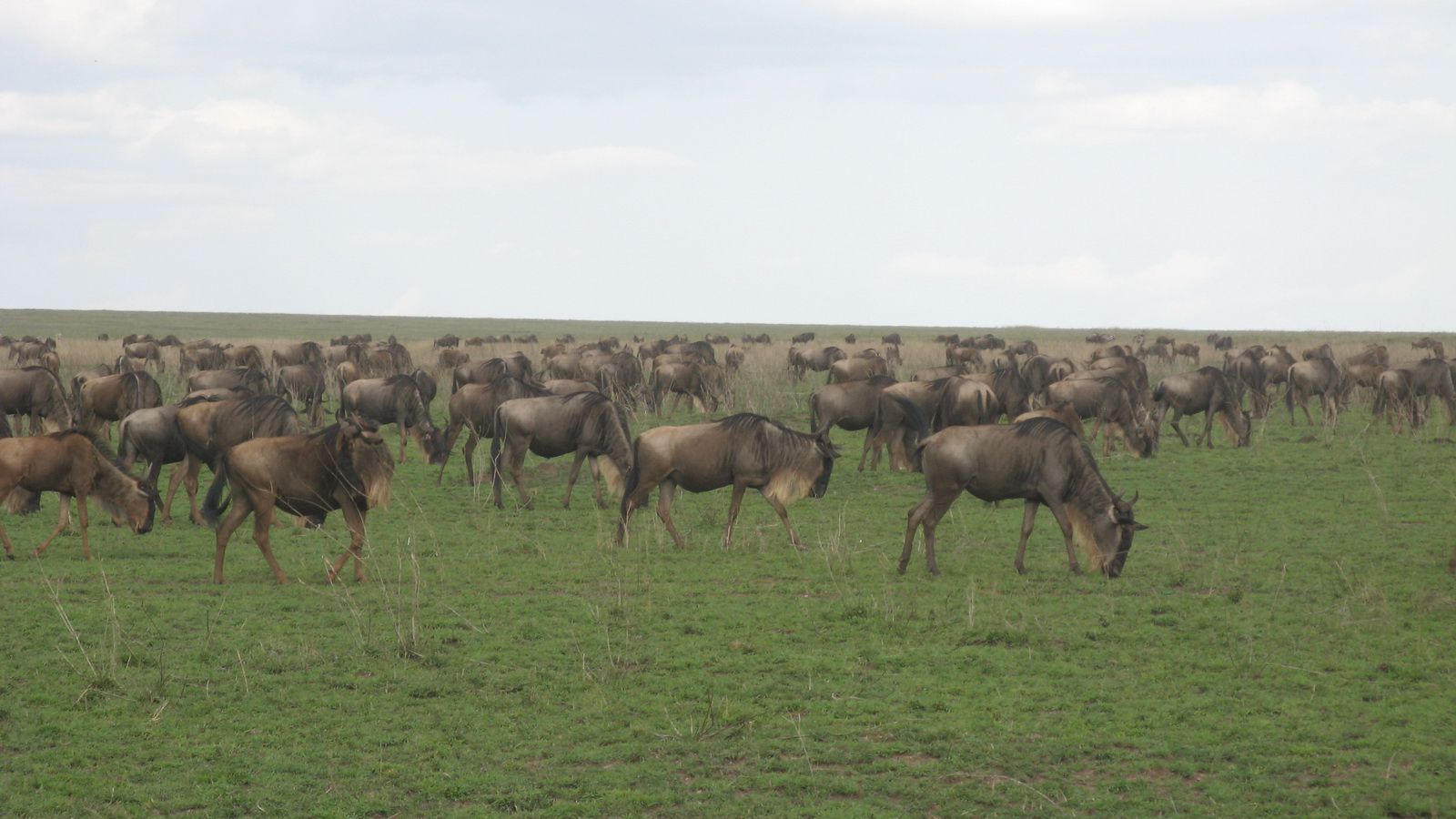
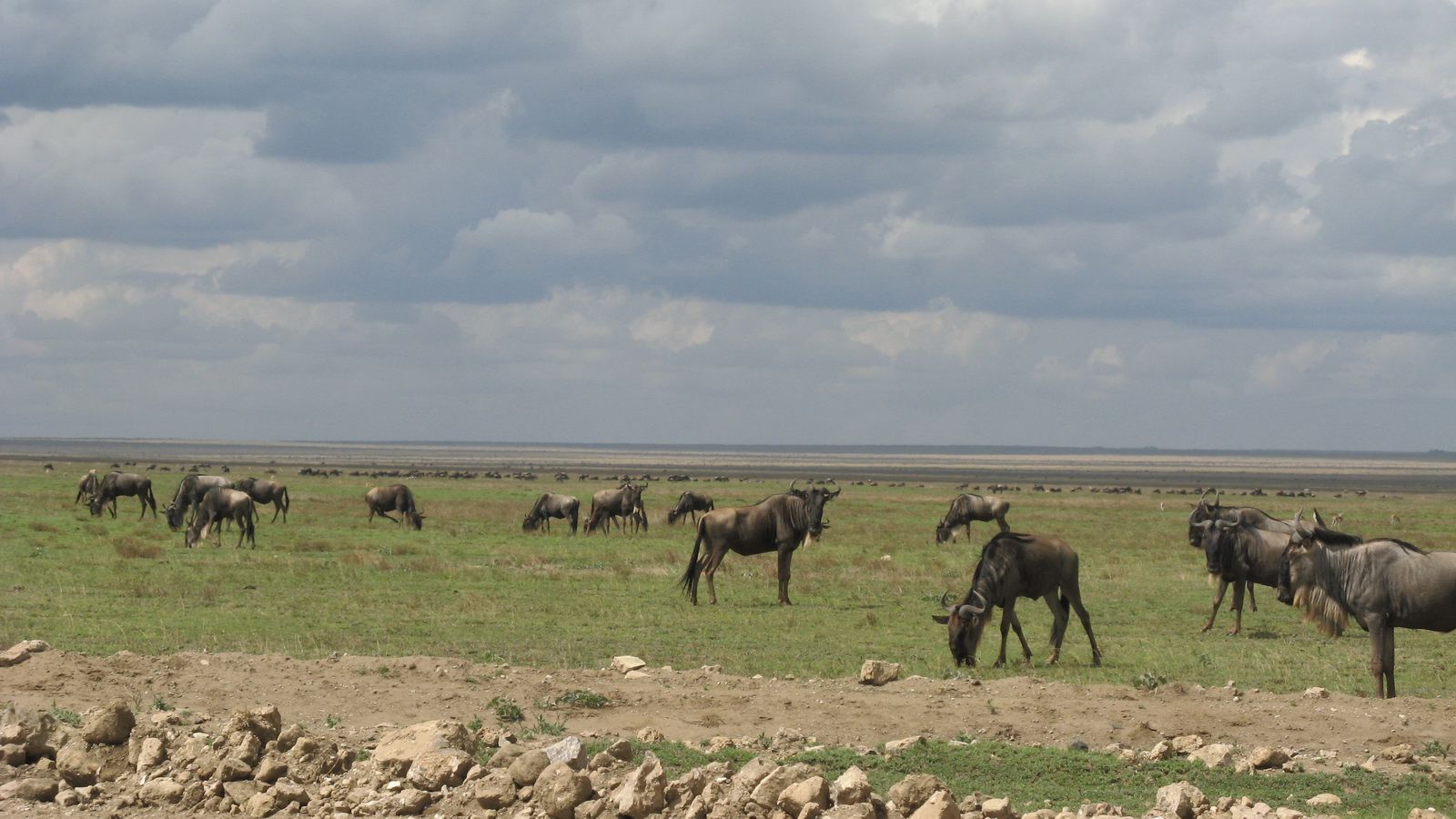
This six-day camping safari is built around one idea: spend as much time as possible where the herds are. Instead of splitting your days across several smaller parks, you head straight for the northern Serengeti and stay for three nights, with two full days to explore the Kogatende and Bologonj areas on the Mara River, where the migration is usually found in the second half of the year. The Serengeti is home to roughly 1.5 million wildebeest, along with large numbers of zebra and gazelle, and the predators that follow them, from lions and cheetahs to the Nile crocodiles waiting at the river. You begin with a warm-up day in Tarangire National Park, famous for its baobabs and elephant herds, and you finish with a descent into the Ngorongoro Crater, with an optional stop at Olduvai Gorge on the way. Budget campsites keep the cost down, so more of your trip goes into the days on safari. River crossings and herd positions depend on the rains and can’t be guaranteed, but this route gives you the best chance of being in the right place.
Safari Highlights
- Camping Accommodation
- Safari Start and End in Arusha
Destinations to Travel
Arusha · Tarangire National Park · Mto wa Mbu/Karatu · Serengeti National Park (Northern Serengeti, Kogatende/Bologonj) · Ngorongoro Conservation Area · Olduvai Gorge (optional)
Itinerary
Day 1 — Arusha to Tarangire National Park
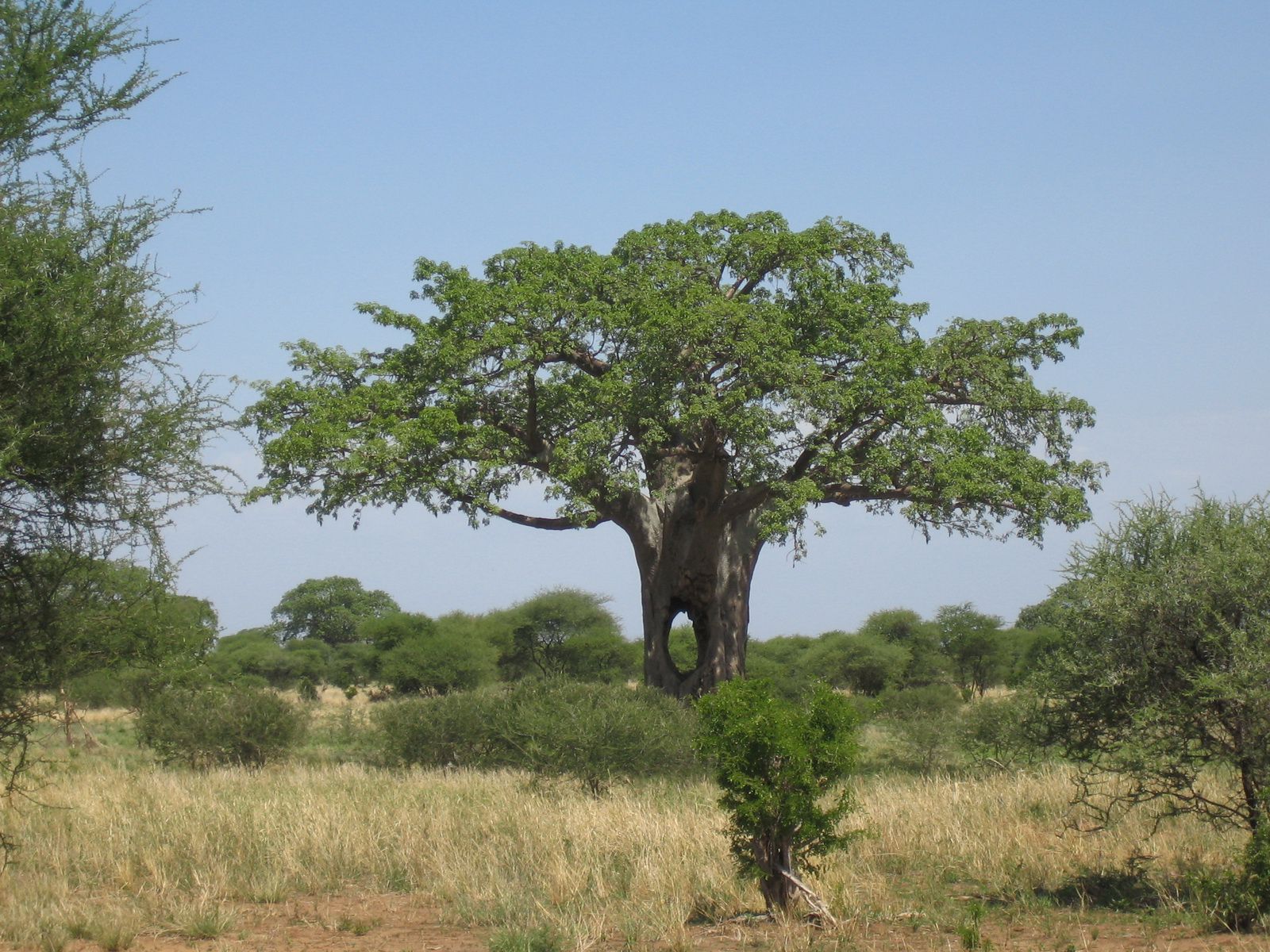
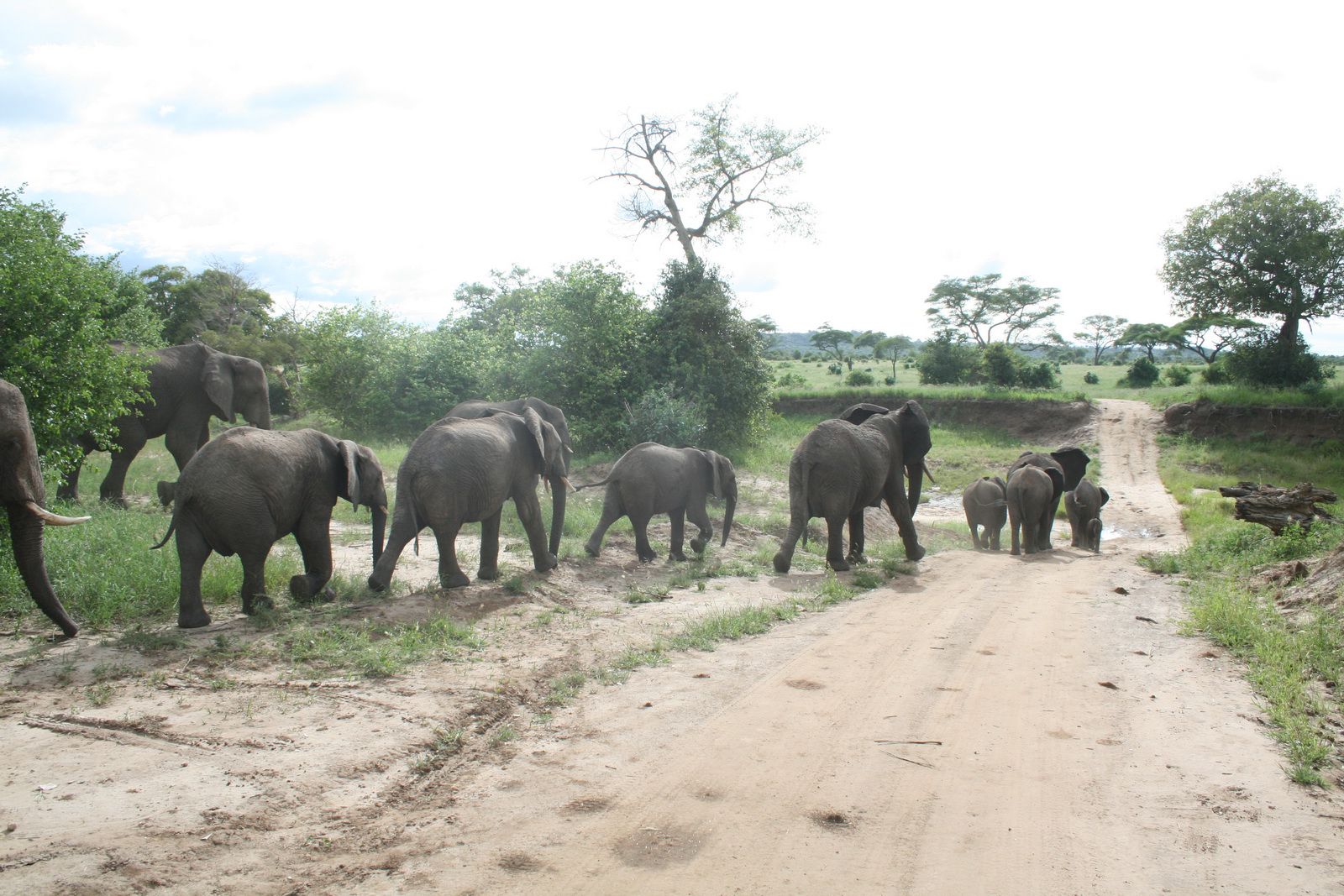
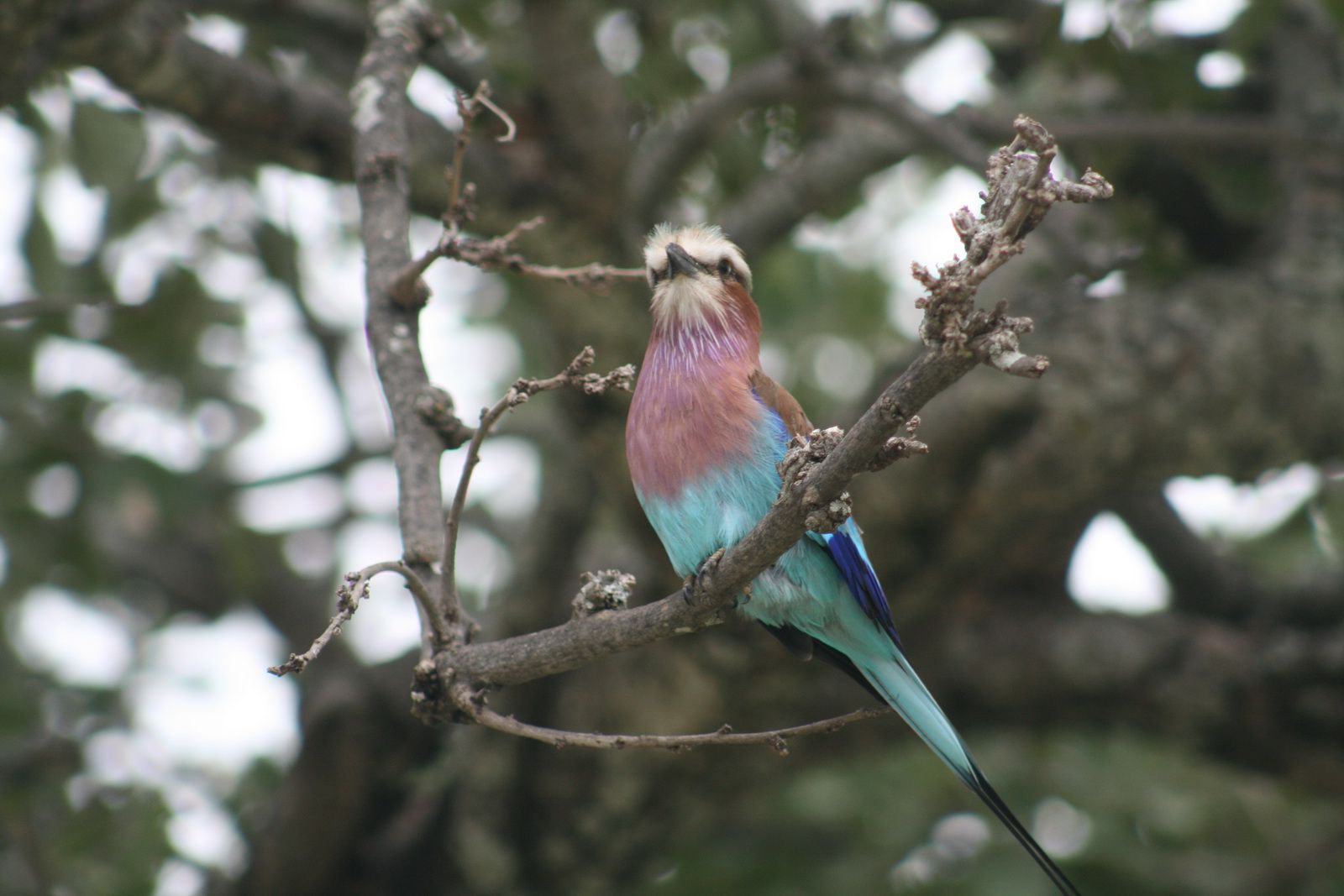
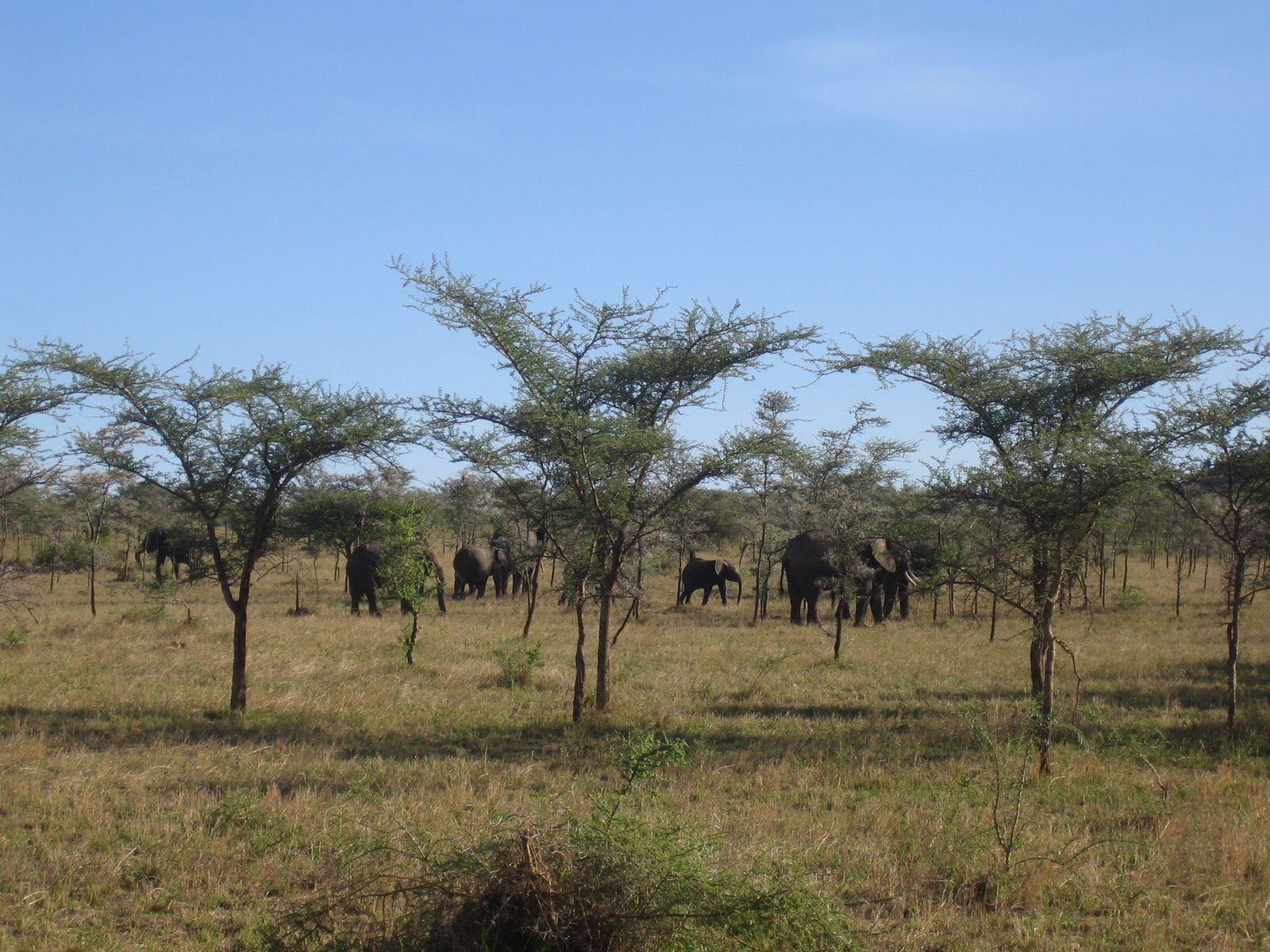
After breakfast, around 8:30 am, you leave Arusha for Tarangire National Park. The park covers about 2,850 square kilometres and is known for its giant baobab trees and its elephants. More than 550 bird species have been recorded here. Around 1:00 pm you stop at a picnic site for lunch, and at 2:00 pm you set out on an afternoon game drive, returning in the evening for dinner and an overnight stay at Twiga Campsite, near Mto wa Mbu/Karatu.
Day 2 — Mto wa Mbu/Karatu to the Northern Serengeti via the Ngorongoro Conservation Area
After an early breakfast, at around 8:00 am, you leave the Lake Manyara area with a packed lunch and head for the Serengeti plains via the Ngorongoro Conservation Area. You look out for wildlife along the way, and eat your lunch on the road as you travel north. As you reach the northern Serengeti, you can start a game drive around the area, or follow the direction of the herds, depending on where the migration is on your dates. In the evening you drive to camp for dinner and an overnight stay at Serengeti Lobo Campsite.
Days 3 and 4 — Northern Serengeti: Following the Herds to the Mara River
These two days are the heart of the safari. You start early, at around 6:30 am, with a morning game drive when the light is soft and the predators are still active, and you return to camp at about 9:30 am for breakfast and some downtime. Lunch is served at about 1:00 pm. At 2:00 pm you head out again for an afternoon game drive in the Kogatende and Bologonj areas, following the migration along the Mara River. Here the herds of wildebeest and zebra gather at the water’s edge, and you may see crocodiles and big cats waiting nearby. Whether you see a river crossing depends on the herds and the rains, but you have two full days to try. You return to camp in the evening for dinner and an overnight stay at Serengeti Lobo Campsite on both nights.
Day 5 — Northern Serengeti to the Ngorongoro Crater Rim
You wake up at 6:00 am for one last early game drive in the Serengeti, returning to camp at about 8:45 am. After breakfast and check-out you drive south with a packed lunch, viewing game on the way to the rim of the Ngorongoro Crater. If you wish, you can stop at Olduvai Gorge, where fossils and stone tools have helped researchers understand early human evolution. This stop is optional, and entry fees aren’t included. You arrive in time for dinner and an overnight stay at Ngorongoro Simba Campsite on the crater rim.
Day 6 — Ngorongoro Crater to Arusha
After breakfast at around 7:30 am, you drive down into the crater with your lunch box. The crater floor covers about 260 square kilometres and is enclosed by cliffs of about 600 metres, which means a large number of animals live within a small area. The crater was named a UNESCO World Heritage Site in 1979. Around 1:00 pm you stop for a picnic lunch at the picnic site on the crater floor, near the Lerai forest or the hippo pool. At 2:00 pm you climb out of the crater and drive back to Arusha, where your safari ends. Accommodation in Arusha and the airport transfer are not included, but our team can arrange them on request.
What's Included
Rate Includes
- Transport on 4WD vehicle with the pop-up roof, which enable you to spot wildlife easier
- Three meals a day on Safari
- Park entrance fees
- Driver’s allowances
- Service of an English speaking professional guide/Driver
- Camping fees, Mattresses
Crater fees - Food, cook and all kitchen utensils
- Mineral water 1.5lt per person per day
- Activities as per itinerary above
Rate Excludes
- International flights to/from your home
- Tips & gratitude’s
- The first night on your arrival and last night after safari (book with us)
- Airport transfers (book with us)
- Personal insurance
- Sleeping bag
- Olduvai Gorge fees
- Alcoholic drinks
- Serengeti Balloon (can book with us)
- Flying doctor’s insurance, we can arrange for requests.
- Tips to the driver/guide and all items of personal nature/use
- Easter, Christmas & New Year’s supplements may apply
Best Time to Go
The migration starts moving at the beginning of the dry season, from June. No fixed travel window was given beyond that, so the guidance below is based on general seasonality. The wildebeest move in a circle through the Serengeti and the Maasai Mara in Kenya, following the rains. The herds usually reach the northern Serengeti and the Mara River area in the second half of the year, and cross into Kenya’s Maasai Mara around July, with most leaving around October. This means the months from about July to October are the usual time to look for the northern herds and the river crossings, though the timing changes from year to year with the rains, so our team can advise on your dates. Tarangire National Park is also at its best in the dry season, from June to November, when herds gather along the river. The wet months bring greener landscapes and fewer visitors, but the herds will be elsewhere, so this safari is best booked for the dry season. You can find more on the Tanzania National Parks Authority and Ngorongoro Conservation Area Authority sites.
Pricing
From USD $3,203 per person
| Option | Price | Pax |
|---|---|---|
| Lodge/Tented Camp accommodation | US$ 3203 per person sharing | Minimum 2 Pax |
Frequently Asked Questions
Where does this safari start and end, and how long does it last?
It starts in Arusha with a drive to Tarangire National Park and ends back in Arusha on Day 6. It runs for 6 days and 5 nights, with one night near Mto wa Mbu/Karatu, three nights in the northern Serengeti and one night on the Ngorongoro Crater rim.
Will we see a Mara River crossing?
The itinerary puts you in the Kogatende and Bologonj areas on the Mara River for two full days, which gives you a good chance of seeing herds at the water. A river crossing can’t be guaranteed, because it depends on where the herds are and what the rains have done. Our team can tell you what to expect on your dates.
Do we cross into Kenya to see the Maasai Mara?
No. This safari stays in Tanzania. The migration crosses the Mara River into Kenya’s Maasai Mara around July, but this itinerary follows the herds in the northern Serengeti.
What is the accommodation like?
This is a budget camping safari. You stay at Twiga Campsite, Serengeti Lobo Campsite for three nights and Ngorongoro Simba Campsite, with meals as listed in the itinerary. Our team will confirm what camping equipment is provided when you book.
Can we visit Olduvai Gorge?
Yes, as an optional stop on Day 5, on your way from the Serengeti to the crater rim. It is up to you whether to include it, and the entry fee isn’t included in the rate. Please ask our team to arrange it.
What happens after the safari ends in Arusha?
You return to Arusha on the afternoon of Day 6, in time for your onward travel. Accommodation in Arusha and the airport transfer are not included, but they can be arranged on request.