



7 Days: Exclusive Wildlife Experience
7 Days / 6 Nights Days
Kilimanjaro International Airport, Tanzania → Kilimanjaro Airport (via Arusha), Tanzania
Migration
Easy
Why Choose This Safari?
January to March sits in a pleasant shoulder season for northern Tanzania, generally warm and mostly dry with just the occasional short shower, before the long rains set in around April. It's a good window for Tarangire, Lake Manyara and the Ngorongoro Crater, all of which hold resident wildlife regardless of season, and the parks tend to be quieter than the July-October peak. One thing worth knowing: the famous wildebeest calving season also falls in this window, but it takes place on the southern Serengeti plains near Ndutu, outside the Central and Western Serengeti area this itinerary's Day 5 and 6 game drives are based around at Cherero Camp. So while this remains a strong all-round safari for this time of year, travelers specifically chasing calving footage should ask whether a detour to the southern plains can be arranged, since it isn't automatically part of this route.
Safari Highlights
Note: Full Board = Lunch, Dinner & Breakfast the next morning
Itinerary
Day 1 — Arrival at Kilimanjaro Airport and Transfer to Arusha
You're welcomed on arrival at Kilimanjaro International Airport and transferred to Arusha. With the warm, mostly dry weather typical of this time of year, it's an easy, relaxed start to your trip before the safari itself gets underway the following morning.
Day 2 — Arusha to Tarangire National Park
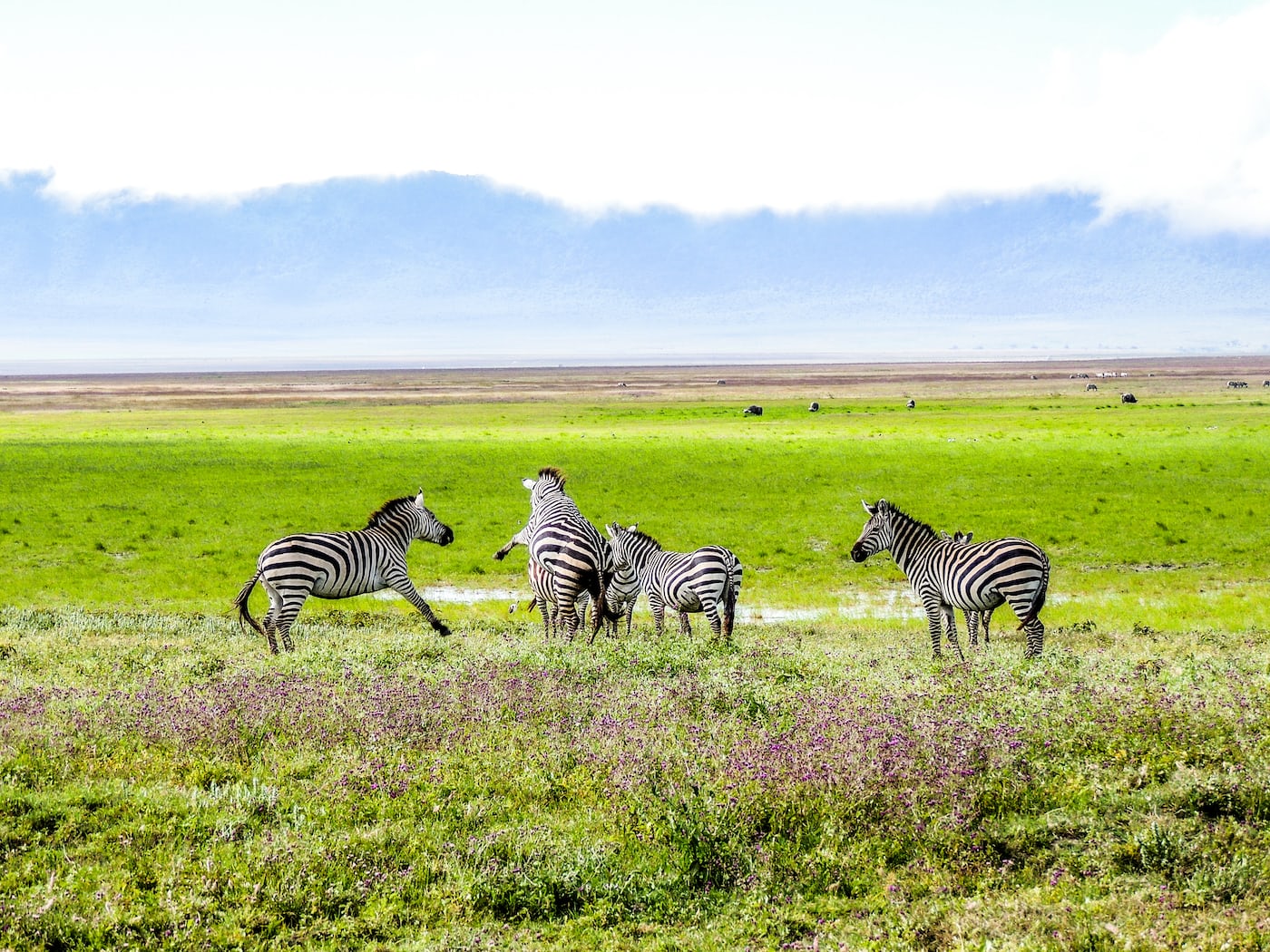
You're picked up from your hotel in Arusha and transferred to Tarangire National Park for your first game drives of the trip. Tarangire is known for its ancient baobab trees and elephant herds that remain in the park throughout the year, and the landscape is at its greenest during this season. You settle in at EcoScience Tented Camp for dinner and overnight.
Day 3 — Lake Manyara National Park
You head to Lake Manyara National Park for a game drive through its groundwater forest, keeping an eye out for the park's tree-climbing lions and the many bird species drawn to the lake shore. After lunch, you transfer to your lodge in Karatu, with the rest of the afternoon free to relax before dinner and overnight at Ngorongoro Farm House.
Day 4 — Ngorongoro Crater to Serengeti National Park
An early start takes you into the Ngorongoro Crater for a morning game drive. Nearly three million years old, this ancient volcanic caldera is ringed by towering walls and shelters forests, grasslands, fresh springs and a large soda lake within its rim, home to a dense concentration of resident wildlife year-round. After lunch, you continue on to Serengeti National Park, with a game drive along the way as you make the gradual journey to Cherero Camp, roughly two hours from the hub of the Serengeti depending on driving conditions. Dinner and overnight at Cherero Camp.
Day 5 — Serengeti National Park, Full Day of Game Drives
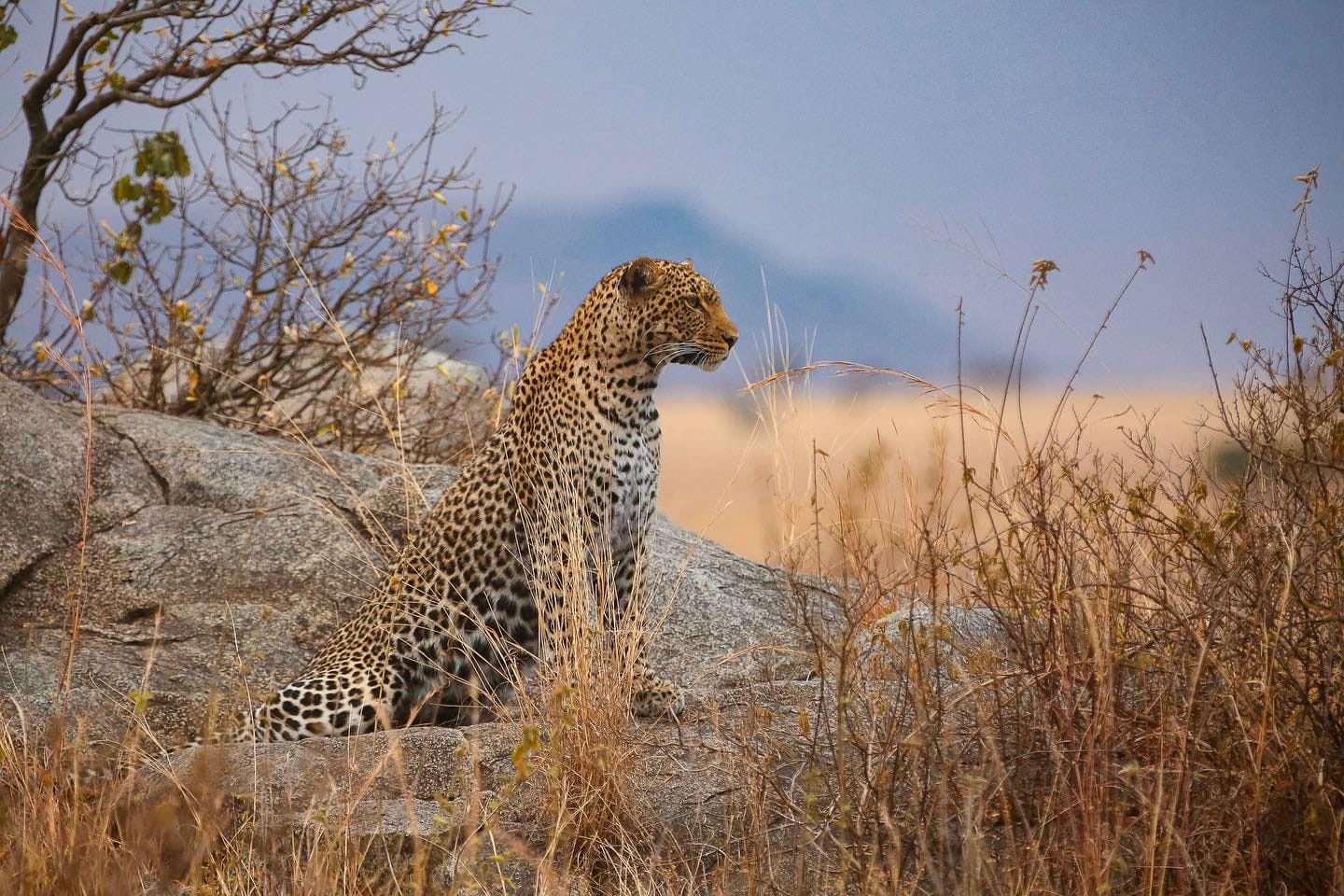
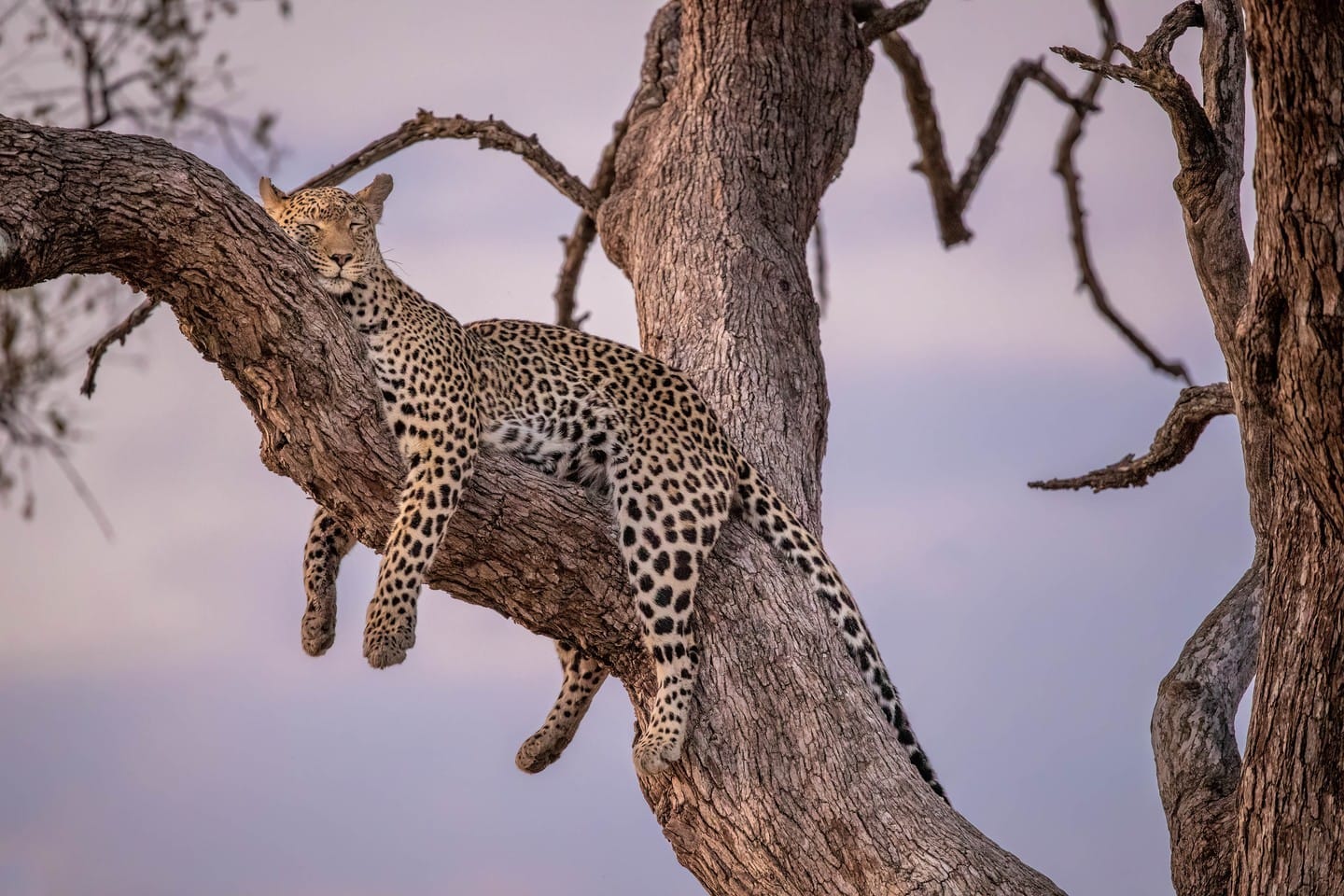
For early risers, an optional hot air balloon ride over the Serengeti plains is available this morning at an additional cost of US$600 per person, with advance booking required. On the ground, you spend the day on morning and afternoon game drives through Central and Western Serengeti, home to the big five, lion, leopard, elephant, rhino and buffalo, along with hundreds of smaller, equally striking species, from lilac-breasted rollers to Charaxes butterflies and the umbrella thorn acacia trees scattered across the landscape.
Day 6 — Serengeti National Park, Second Day of Game Drives
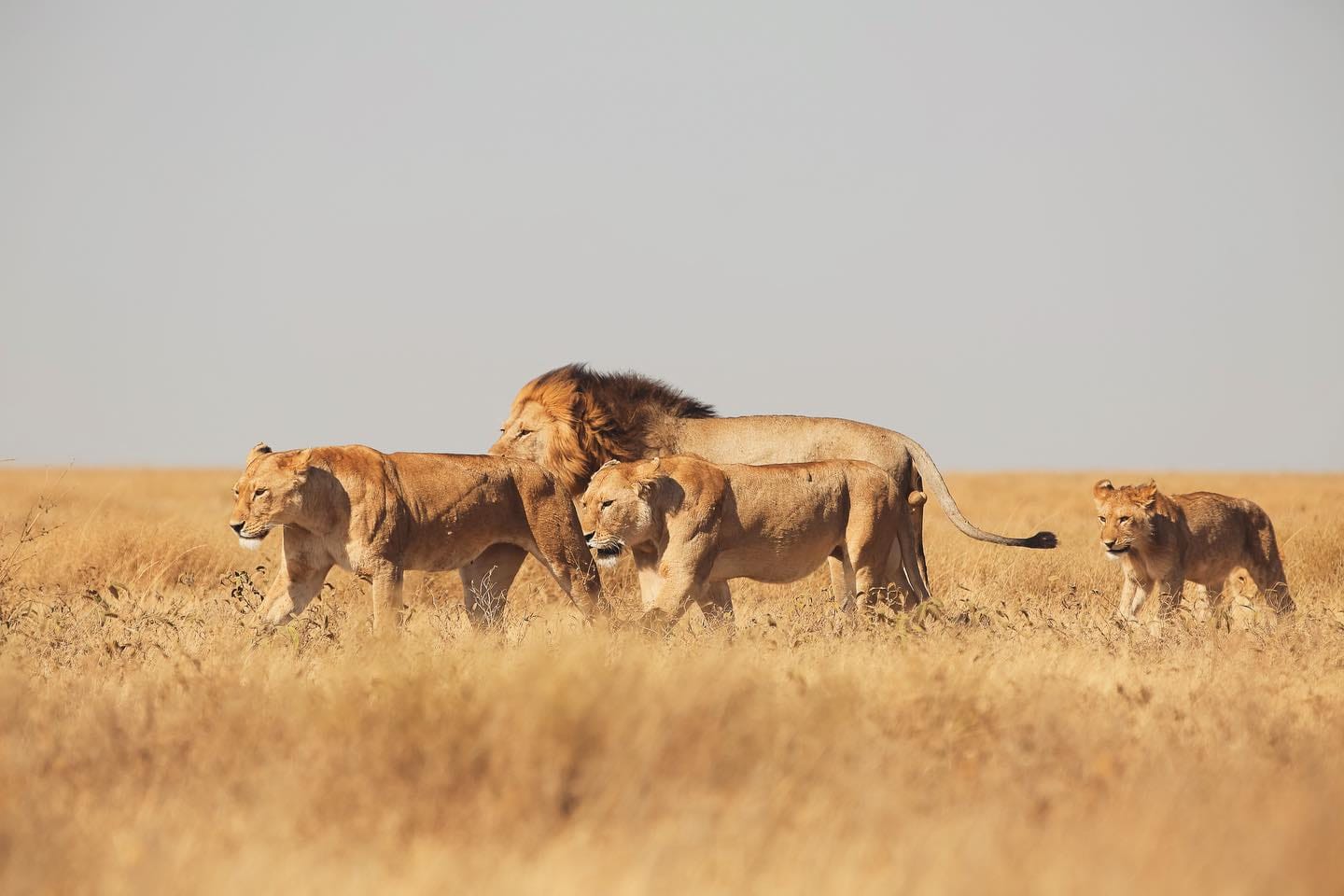
You spend a second full day exploring Central and Western Serengeti with morning and afternoon game drives, giving you more time and a better chance to find the park's resident prides, elephant herds and the many smaller species that call this part of the Serengeti home.
Day 7 — Serengeti to Arusha to Kilimanjaro Airport, Departure
After breakfast, you say goodbye to the team at Cherero Camp and enjoy a final game drive on your way to Seronera Airstrip for your morning departure flight. You fly back to Arusha, where lunch is available at your own expense, before a 90-minute road transfer to Kilimanjaro International Airport for your onward or international flight. If you'd like to extend your trip with time in Zanzibar, this can be arranged as well.
What's Included
Rate Includes
- Accommodation as per itinerary (6 nights)
- Meal plan as per itinerary
- One-way flight from Serengeti-Seronera to Kilimanjaro Airport
- Service of an English-speaking driver guide while on Safari
- Game drives in a 4x4 Land cruiser with pop-up roof on exclusive basis
- Complimentary drinking water provided in safari vehicle
- Entrance fee for Tarangire, Manyara, Ngorongoro and Serengeti as per itinerary
- One Ngorongoro crater game viewing permit
- Flying Doctors air ambulance cover for the duration of your Tanzania safari
- Road transfer from Kilimanjaro Airport (JRO) in Tanzania to Arusha
- Drop off at Serengeti–Seronera Airstrip for your flight to Arusha
- Road transfer from Arusha to Kilimanjaro Airport
Rate Excludes
- Tourist visa for Tanzania (please apply in advance)
- Personal Travel & Medical Insurance.
- Required vaccinations to meet entry requirements
- Alcoholic or non-alcoholic beverages (purchase directly from camps/lodges)
- Any domestic flights and airport taxes not mentioned above
- Any international flights and applicable departure taxes
- Additional airport transfers, if members of the group are arriving/departing on separate flights
- Optional hot air balloon ride in the Serengeti (US$600 per person)
- Optional activities not mentioned in the itinerary
- Additional lunch on the last day
- Excess luggage fees where applicable – book in advance (note 20kg per person)
- Laundry, phone calls, internet use and other items of a personal nature
- Tips for driver(s), guide(s), hotel/camp/lodge staff
- Any other items not mentioned above
Pricing
Frequently Asked Questions
Where does this safari start and end?
The safari starts and ends at Kilimanjaro International Airport (JRO). You're transferred to Arusha on arrival, and the trip concludes on Day 7 with a flight from the Serengeti back to Arusha followed by a 90-minute road transfer to the airport for your departure.
Will we see the wildebeest calving season?
Not as part of this specific route. Calving happens on the southern Serengeti plains near Ndutu during January to March, but this itinerary's Day 5 and 6 game drives are based in Central and Western Serengeti around Cherero Camp, a different part of the park. If seeing calving is a priority, let us know and we can look at whether a detour or a different camp placement can be arranged.
What's the weather like in January to March?
This period is generally warm and mostly dry across northern Tanzania, with just occasional short showers, sitting between the short rains of November-December and the long rains that typically begin around April. It's a comfortable time to travel, and the parks tend to be quieter than during the July-October peak season.
How many people can book this safari?
This itinerary is set up for groups of 1, 2, 4 or 6 travelers. If your group size falls outside these numbers, it's worth checking with us directly, since pricing and vehicle arrangements are typically built around these group sizes.
Is the hot air balloon ride included?
No, the hot air balloon ride over the Serengeti on Day 5 is an optional add-on at US$600 per person, and it needs to be booked in advance. It's a popular way to see the plains from above, but it's a separate cost from the base safari package.
Is lunch included on the last day?
No, lunch in Arusha on Day 7 is explicitly at your own expense. All other meals throughout the safari are included, either as Bed & Breakfast on Day 1 or Full Board from Day 2 through breakfast on Day 7.