|
Frequently
Asked Questions |
 |
**********************************************************
Where is the best
place to go on safari?
Safari in Kiswahili, the language of East
Africa, simply means a journey. Today it is
synonymous in English with a wildlife viewing
adventure in the African Bush. If your primary
reason for traveling to Africa is to experience
an abundance of African wildlife in unspoiled
wilderness, then Tanzania should be your
destination of choice.
Tanzania protects over 25% of its land through
national parks and reserves, more than any other
country on the continent. You simply cannot beat
the wildlife concentrations found in Tanzania.
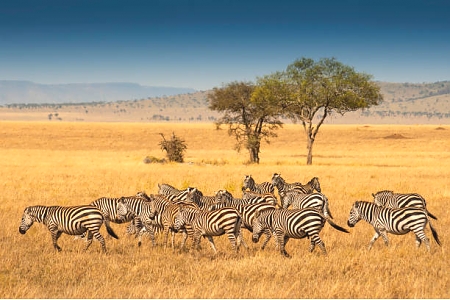
The parks and wildlife reserves of Tanzania are
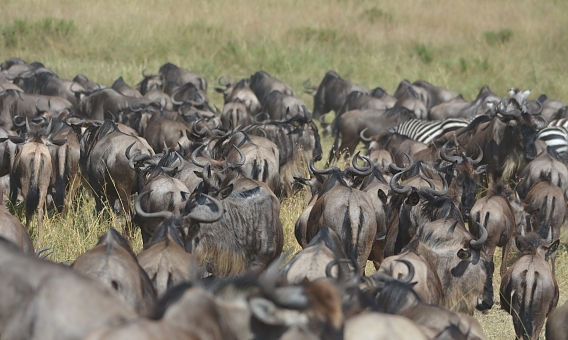
inhabited by vast herds of wildebeest spread out
across the Serengeti savanna, huge populations
of elephant and buffalo, as well as plains game
and their predators.
All these animals interact and roam freely, the
same as they have for thousands of years. Here
you'll witness an incredible diversity of
ecology and will find the vegetation and bird
life as fascinating as the big game. This is the
home to 90% of the film series produced on
African animals.
Tanzania also boasts a remarkable number of
World Heritage Sites including, Serengeti
National Park, Kilimanjaro National Park,
Ngorongoro Conservation Area, Selous Game
Reserve, (this reserve alone is larger than the
size of Denmark or Switzerland), Kilwa Kisiwani
and the Songo Mnara Ruins and Mafia Marine park.
When is the best time of year to go on
safari in Tanzania?
Anytime other than during the long rains (April
& May) is a wonderful time to be on safari. At
Wonders of Creation Tours Ltd we adjust our
safari itineraries to take advantage of the best
possible game viewing in accordance with the
seasonal concentrations of wildlife.
Where is the best place to go for wildlife
viewing in Africa?
You simply can't beat northern Tanzania for
wildlife concentrations. Most people have heard
of the spectacular Ngorongoro Crater and the
wide array of wildlife dwelling on the crater
floor. Most have heard of the vast Serengeti
savanna, which hosts the annual Migration of
Wildebeest and the predators that follow in its
wake.
This is only the beginning of the natural
phenomena awaiting your discovery on a safari to
Tanzania. Guests of Wonders of Creation Tours
Ltd consistently tell us the wildlife they
experienced far surpassed their most optimistic
expectations.
What kinds of animals will I see on safari
in Tanzania?
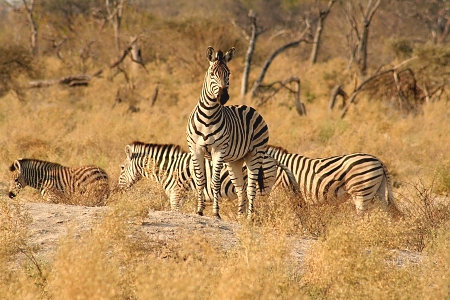
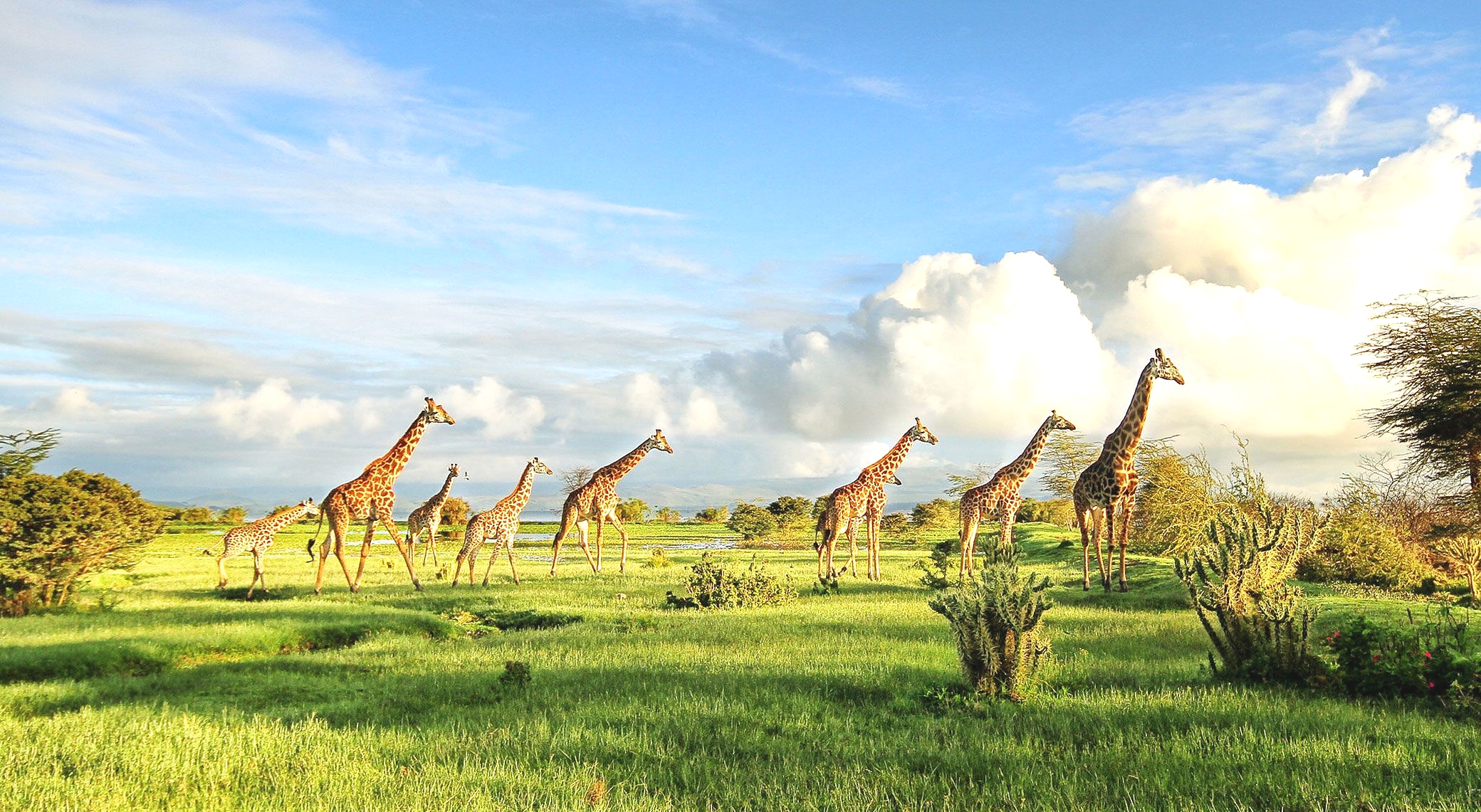
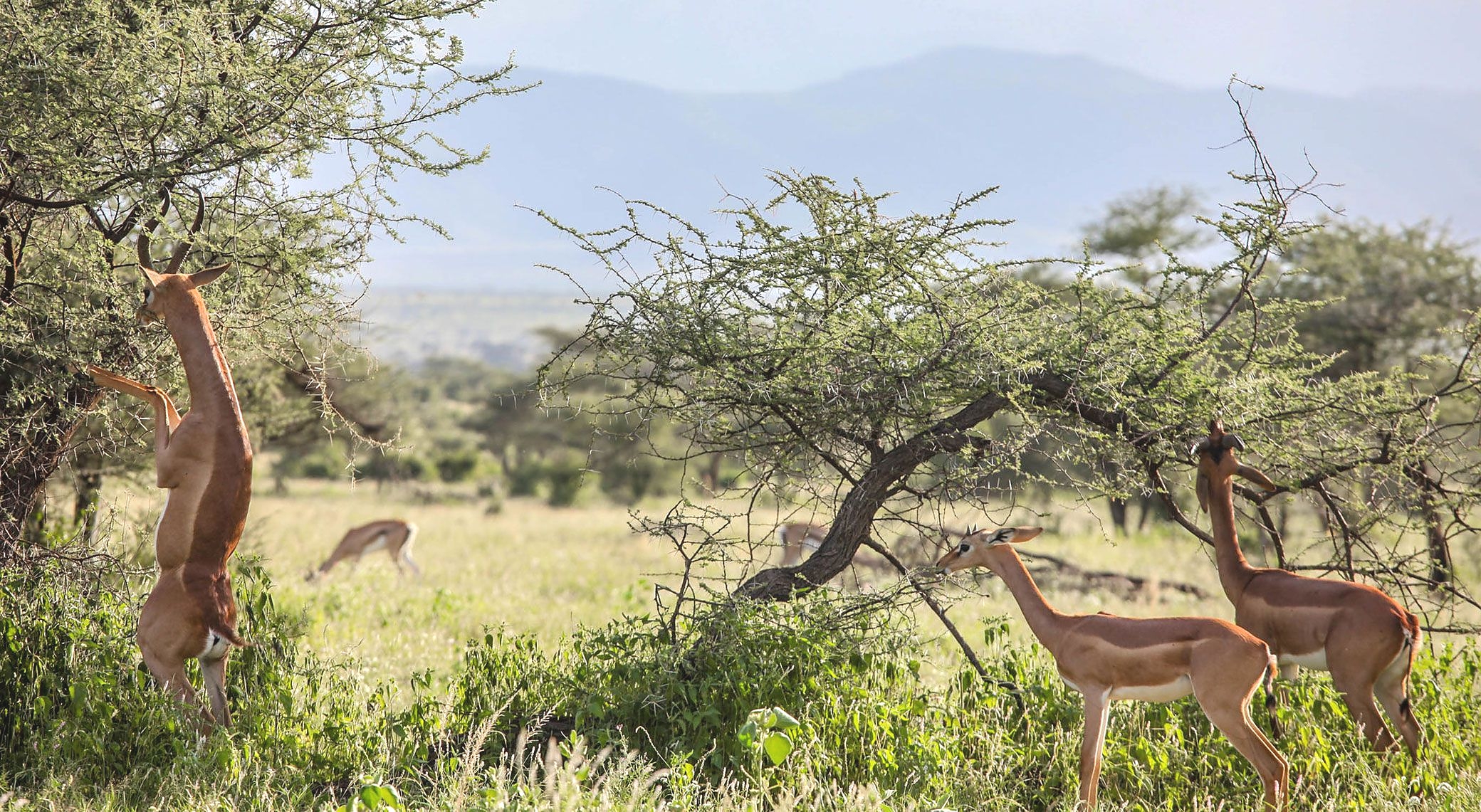
Tanzania is home to over 35 species of large
four-legged mammals and has over 1000 species of
birds listed. On a typical safari in northern
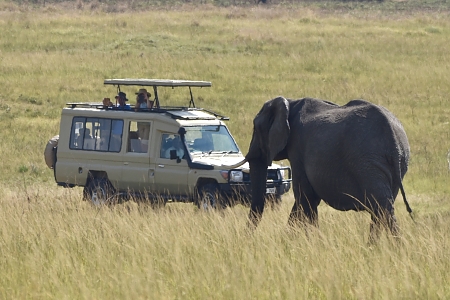
Tanzania you can expect to see elephant,
buffalo, giraffe, hippo, baboon, monkeys and a
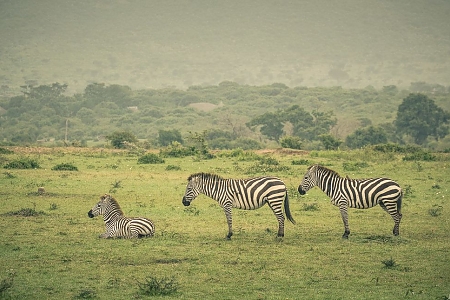
variety of plains game such as wildebeest,
hartebeest, zebra, impala and gazelle.
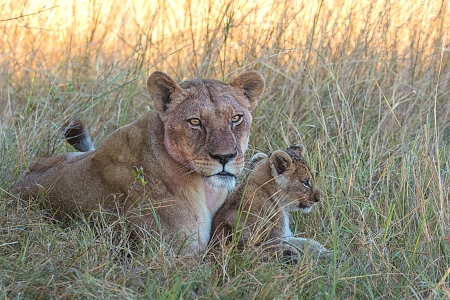
Most people see lion and hyena, and possibly
cheetah or leopard. In Ngorongoro Crater you may
see one of the few remaining black rhino to be
found in Tanzania. You'll undoubtedly see
several different species of mongoose and some
hyrax and other small mammals.
If you're lucky you'll see one or more of the
smaller cats, foxes, wild dog or the more
reticent antelope like lesser kudu, bushbuck,
Oryx or eland.
What is the Migration?
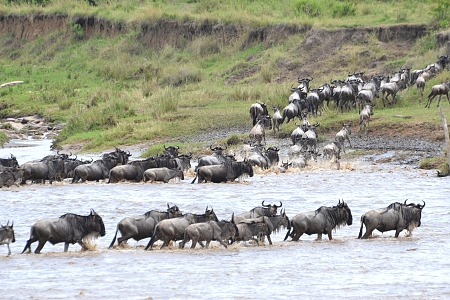
Every year, over one million wildebeest move
through the Serengeti plains in search of food
and water. The phenomenon of these animals
moving en mass through the African savanna is
known as the Migration. Their movement is driven
by the seasonal rains that water their grazing
pastures. It is impossible to predict in advance
exactly how or when this progression will take
place, but there is a pattern. Generally from
mid-December through May the herds are feeding
in the southern Serengeti.
During February thousands of calves appear on
the plains. Between June and July, the
wildebeest begin their annual migration north
reaching the Mara River that marks the Kenyan
border sometime between the end of July and
beginning of August. After the first short
rains, usually in the beginning of November, the
herds move back into Tanzania's Serengeti and
make their way to the southern pastures where
they rest and feed through the rains until their
search for better grazing leads them to begin
their annual migration once again.
Even when the "migration" moves into Kenya for
the summer months, there are many resident herds
in the Serengeti and there is always an
incredible array of wildlife to experience
there. Also, in the summer months, which are the
height of the dry season, thousands of elephant
congregate around the Tarangire River.
This park is at it's prime during these months
and we adjust our itineraries to take advantage
of the prime wildlife viewing there. Each time
of year offers the visitor to Tanzania a special
opportunity for wildlife viewing.
Will I have a chance to interact with the
local people of Tanzania?
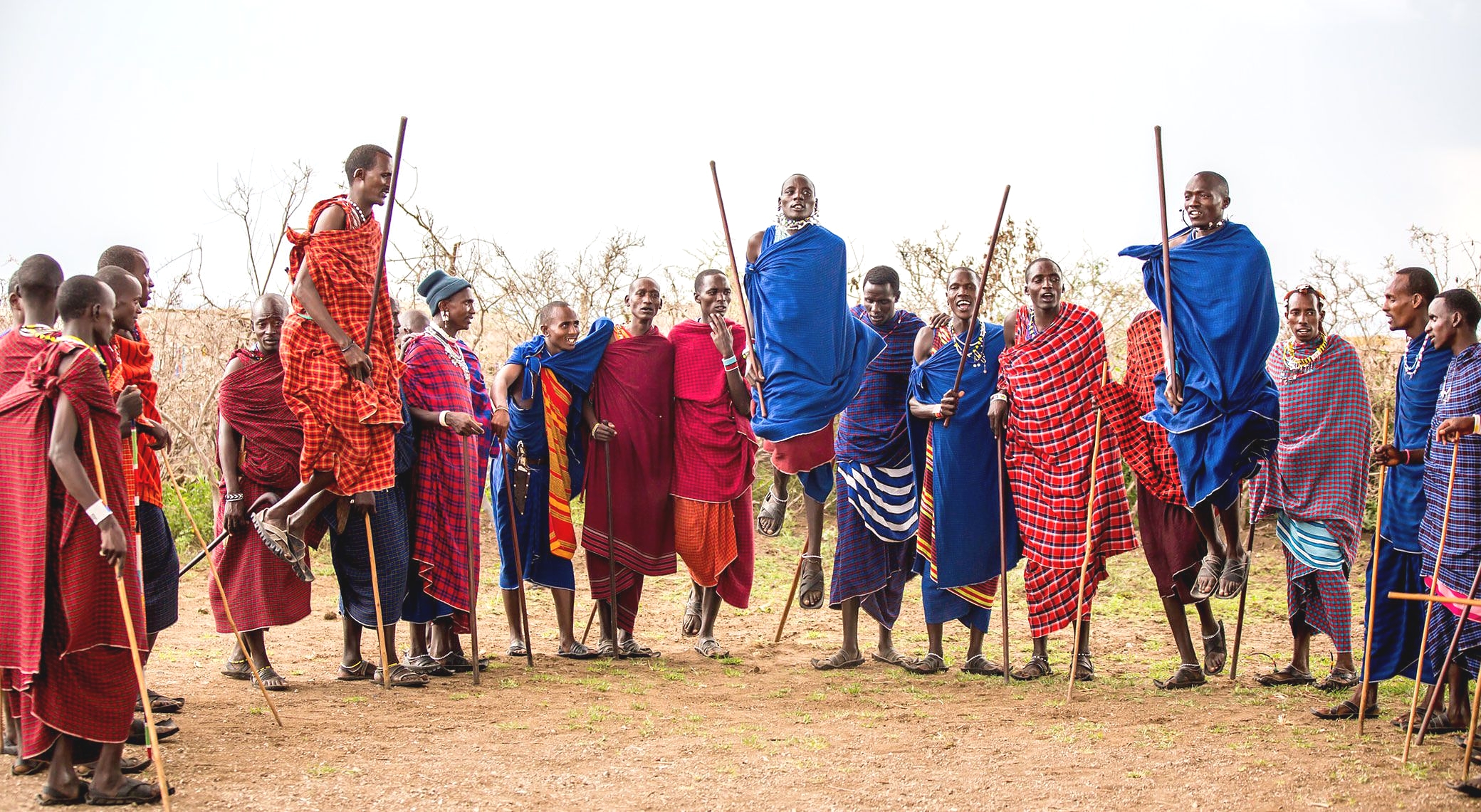
The vast majority of Tanzanians are still living
very close to their traditional lifestyles. Most
of the people are subsistence farmers. The
Maasai people, favored by photographers for
their strikingly colorful décor, live a pastoral
existence following their herds of cattle to
better grazing areas, still adhering to the
traditions and ceremonies of their ancestors.
Their "villages" are located throughout northern
Tanzania. Other small tribes of
hunter-gatherers, living according to their
ancient customs and traditions can also be found
in this area.
At Wonders of Creation Tours Ltd. we consider
the cultural component of any safari to be
subtle yet essential. All of our guides are
Tanzanian born. They are an excellent resource
to help you gain greater insight into the local
culture. We don't promote specially staged
dances and tourist oriented presentations.
Instead, on most of our trips, we begin with a
visit to a traditional village where you are
welcomed as friends of Mission Tours tours ltd
into their lives and invited to get to know them
as they get to know you.
As we drive between parks, we pass many villages
and Masai Bomas giving you further glimpses into
the lives of the Tanzanian people. We also offer
a special trip in which our guests travel well
off the beaten path to spend time among the Wa
Hadzabe people and observe their ancient
hunter-gatherer ways.
What if I want a custom safari?
We would be delighted to work with you to help
you and your family, friends or organization
plan the best possible safari to match your
interests and budget. We organize custom safaris
for professional photographers, honeymoon
couples and families.
Can I take my children on safari?
YES! Wonders of Creation Tours Ltd has a
personal understanding and deep commitment to
meeting the special needs of families. We have
designed our unique family safari programs to
allow you and your children to experience the
wonders of Africa together. You'll have a chance
to deepen your understanding of cultural
diversity, discover the many miracles of nature,
and at the same time play, laugh, and enjoy the
pleasure of one another's company. Our trips are
well suited for children.
Will I stay in tents or lodges?
Our safaris offer a wide array of safari styles
to suit your interests and budget. Please see
our website for a description of the different
types of accommodations we use on our trips.
How big are your safari groups?
Small. Our scheduled safaris vary in size
depending on the nature of the safari. We keep
our groups small (the very maximum is 15 people,
minimal 2 - 5people) to allow a more intimate
connection with the African bush.
What's the weather like in Tanzania?
Located at an altitude of 5,000 to 7,600 feet,
northern Tanzania's dry sunny climate is nothing
like the steamy African jungle of Tarzan movies.
The weather is spring-like year round, with
daytime temperatures in the 70s and 80s,
evenings in the 60s. From June until August,
temperatures are slightly cooler, ranging from
the 50s to the mid-70s. The coastal and lowland
areas tend to be more tropical in temperature.
What clothes should I bring on safari?
Safari dress is comfortable and casual - layers
are recommended. Keep it simple and bring things
you don't mind getting dusty. After you have
booked your safari, we send you a pre-departure
information through emails to help you prepare
for your safari.
What's the food like on safari?
You will be pleasantly surprised by both the
quality and the variety of the food available on
safari. In most lodges, meals are served
buffet-style so you can choose what you like.
The food is prepared according to western
tastes, with some curries and local cuisine
included. If you choose a camping safari, fresh
meat and produce is prepared by our expert chefs
to the highest sanitary standards. Most
returning guests rave about our camp food!
Can special dietary requirements be
accommodated?
Special dietary requirements such as vegetarian
or diabetic meals can easily be arranged with
advanced notice. If you are vegetarian or vegan
you may wish to bring along some alternative
protein sources. If you have multiple food
allergies, you'll definitely want to bring along
supplemental snacks. It is important we know of
any possible dietary restrictions as soon as
possible.
Are safaris in Tanzania safe?
Today's modern safari is a far cry from the
rugged safaris of the past. After a stimulating
day of game viewing, you can relax at
comfortable, attractive lodges, with amenities
like swimming pools, full service restaurants
and en-suite bathrooms.
Located right in the scenic settings of the
wildlife reserves, the lodges are close to
nature… but not too close for comfort. Tanzania
is one of Africa's most stable countries, where
you'll receive a warm welcome from its gracious
people. Every care is taken to ensure your
health and safety on safari.
Is it OK to drink the water?
We provide bottled water on game drives and in
Campsites, and you can purchase good quality
bottled water at all the lodges and camps.
Are there a lot of bugs in Tanzania?
There are more bugs in many places in the USA
than you will encounter on safari. Again,
remember that most of the areas you'll be
visiting are arid (especially from July -
November). The bugs you will see are
fascinating, but certainly not anything to be
concerned about.
How far in advance should I book my
safari?
It is better to book as far in advance as
possible to ensure availability at the time you
wish to travel, especially during the peak
seasons (July & August and Christmas time). This
is especially important for those wishing to
travel on private custom safaris and those
adding extensions to the scheduled trips.
Can I use a credit card to pay for my
safari?
Yes, we do accept
Visa and MasterCard
for your safari deposit.
What shots should I get?
For medical advice it is always best to consult
your doctor or travel clinic. The minimum
requirements for entry into Tanzania are a
yellow fever vaccination and anti-malarial
medication. Bear in mind that you will be
staying in camps and lodges oriented to meet the
needs of American and European guests.
What additional costs can I expect when I
travel with Wonders of Creation Tours Ltd?
Our safari packages include all accommodation
and meals while on safari, airport transfers,
park fees and services of Mission Tours Limited
guides and drivers. It is customary to tip your
guide and driver, as well as the Cook or Camp
staff if you are camping during your safari. You
will also need to pay for your own beverages and
personal items like laundry service and phone
calls.
Before you go, you are responsible for any
passport and visa fees. We also highly recommend
you purchase travel protection insurance. And
finally, if you know yourself to be a big
souvenir shopper you'll need to budget
accordingly.
When are the different
seasons?
Peak Season: 1 January to 29
February, 1 June to 31 October
High Season: 1 March to 31 March,
1 November to 31 December
Low Season: 1 April to 31 May
Note: Prices for safari
lodges decreases from peak season to low season.
|
|